Flowers for Algernon: Comprehension and Analysis
This worksheet explores comprehension and analysis of the novel 'Flowers for Algernon' by Daniel Keyes, focusing on character development and themes for Grade 6 ELA.
Includes
Standards
Topics
Flowers for Algernon: Comprehension and Analysis
Name:
Date:
Score:
Read each question carefully and answer to the best of your ability. Use complete sentences and provide details from the story to support your answers.
1. At the beginning of the story, how would you describe Charlie Gordon's personality and intelligence? Provide specific examples from the early progress reports.
2. How does Charlie's relationship with Miss Kinnian change as his intelligence increases? What does this reveal about their characters?
3. What is the main reason Charlie undergoes the experimental surgery?
To become famous.
To make his co-workers like him.
To become smarter and understand the world better.
To get a promotion at work.
4. What is the significance of Algernon in the story?
He is Charlie's best friend.
He is a symbol of Charlie's past intelligence.
He is a control subject for the experiment.
He is a pet that helps Charlie feel less lonely.
5. Before the operation, Charlie works at a and is often teased by his .
6. The experimental surgery is designed to increase Charlie's , but it is not .
7. Charlie's intelligence continues to increase steadily throughout the entire story.
True
False
8. Dr. Strauss and Professor Nemur are always in agreement about the ethics and progress of the experiment.
True
False
9. Consider the theme of intelligence and happiness in 'Flowers for Algernon'. Does increased intelligence lead to increased happiness for Charlie? Explain your answer using evidence from the text.
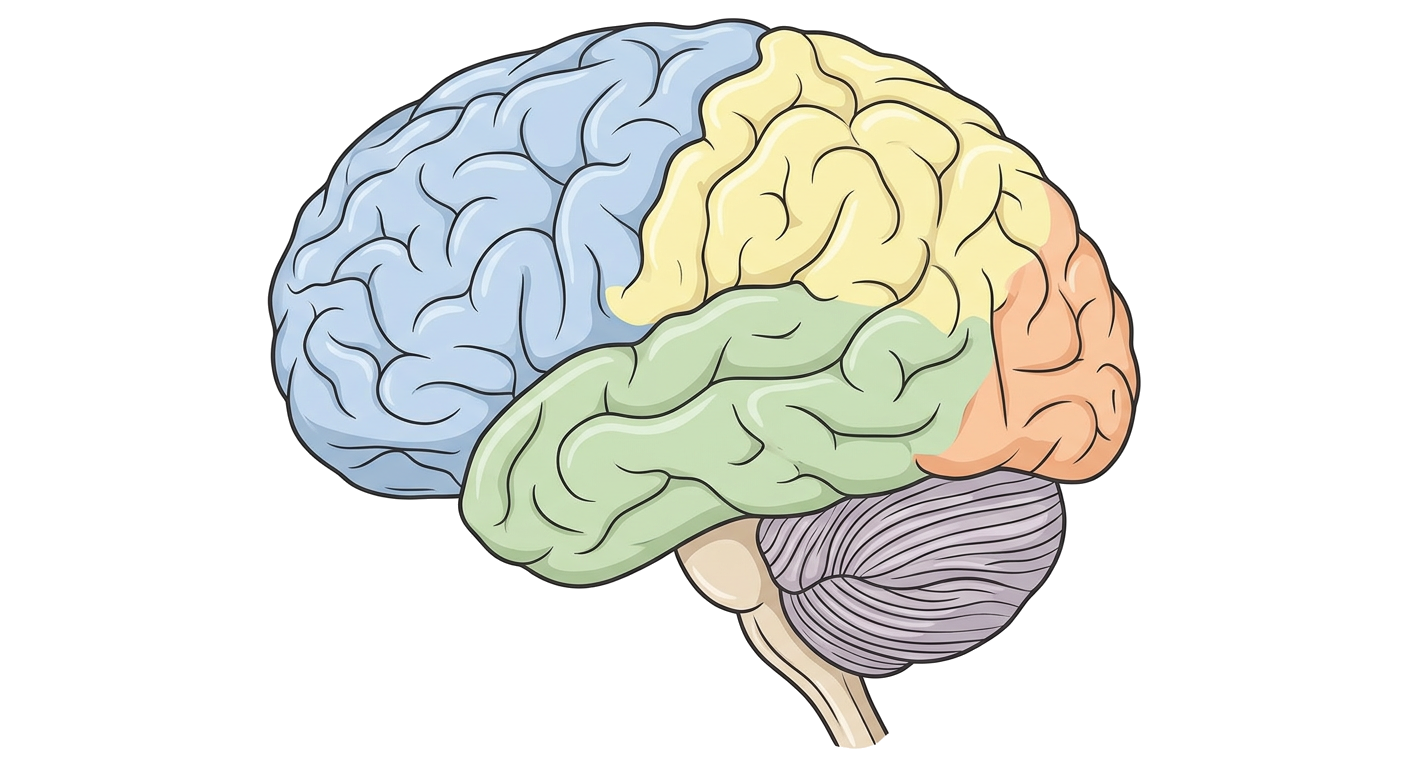
This diagram shows the different parts of the human brain. While the story doesn't focus on specific brain parts, it's interesting to visualize the organ responsible for intelligence.