The Amazing Ear: Grade 6 Science Worksheet
Explore the structure and function of the human ear with this engaging Grade 6 science worksheet, covering its parts, how we hear, and ear care.
Includes
Standards
Topics
The Amazing Ear: Grade 6 Science Worksheet
Name:
Date:
Score:
Read each question carefully and answer to the best of your ability. Good luck!
1. Which part of the ear collects sound waves from the environment?
Eardrum
Cochlea
Outer ear (pinna)
Ossicles
2. What are the three tiny bones in the middle ear called?
Auditory canals
Ossicles
Semicircular canals
Hair cells
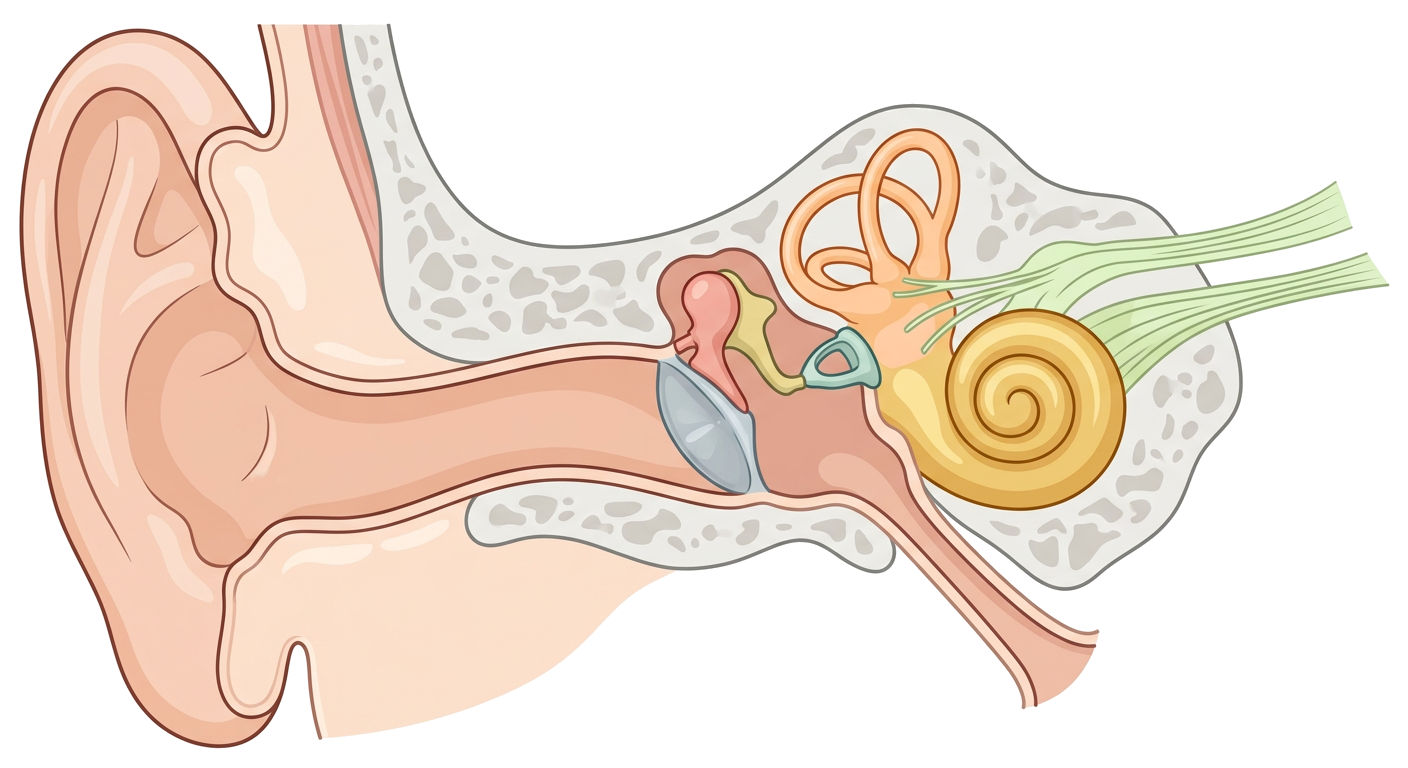
3. The is a coiled, fluid-filled tube in the inner ear that converts sound vibrations into electrical signals.
4. The eardrum, also known as the , vibrates when sound waves hit it.
5. Briefly explain how sound travels from the outer ear to the inner ear.
6. Label the parts of the human ear in the diagram below.
A.
B.
C.
D.
7. The Eustachian tube helps to equalize pressure in the middle ear.
True
False
8. Loud noises can damage the tiny hair cells in the cochlea, leading to permanent hearing loss.
True
False
Related Worksheets
The Six Kingdoms of Life
Explore the characteristics and classification of organisms into the six kingdoms: Archaebacteria, Eubacteria, Protista, Fungi, Plantae, and Animalia.
Balance in Nature Worksheet
Explore the intricate balance within ecosystems, including food webs, predator-prey relationships, and the impact of environmental changes on natural balance.
Mitosis Worksheet
Explore the process of mitosis, including its stages and importance in cell division, for Grade 6 science students.
Fungi Fun Facts
Explore the amazing world of fungi with this interactive worksheet for Grade 6 science students.
Animal Cells: Exploring the Building Blocks of Life
This worksheet introduces 6th-grade students to the basic structure and functions of animal cells, including organelles like the nucleus, cytoplasm, and cell membrane.
The Excretory System
Explore the human excretory system with this worksheet for Grade 6 science students. Learn about the organs involved and their functions in waste removal.
Food Chain Fundamentals
Explore the basics of food chains, identifying producers, consumers, and decomposers, and understanding energy flow.
Grade 6 Circulatory System Worksheet
A worksheet for 6th graders to learn about the human circulatory system, including its components and functions.