Muscles and Bones Worksheet
Explore the human skeletal and muscular systems with this Grade 6 science worksheet, covering functions, types, and interactions.
Includes
Standards
Topics
Muscles and Bones: The Human Body
Name:
Date:
Score:
Read each question carefully and answer to the best of your ability. Good luck!
1. What is the main function of the skeletal system?
To digest food
To provide support and protection
To pump blood
To help us see
2. Which type of muscle is found in the heart?
Skeletal muscle
Smooth muscle
Cardiac muscle
Voluntary muscle
1. Bones are connected to other bones by strong tissues called .
2. The place where two or more bones meet is called a .
3. Muscles that you can control are called muscles.
1. Name three functions of the human skeletal system, besides support and protection.
2. Explain how muscles and bones work together to allow movement.
1. All muscles in the human body are voluntary.
True
False
2. The rib cage protects the brain.
True
False
Using the word bank below, label the major bones and muscles on the diagrams.
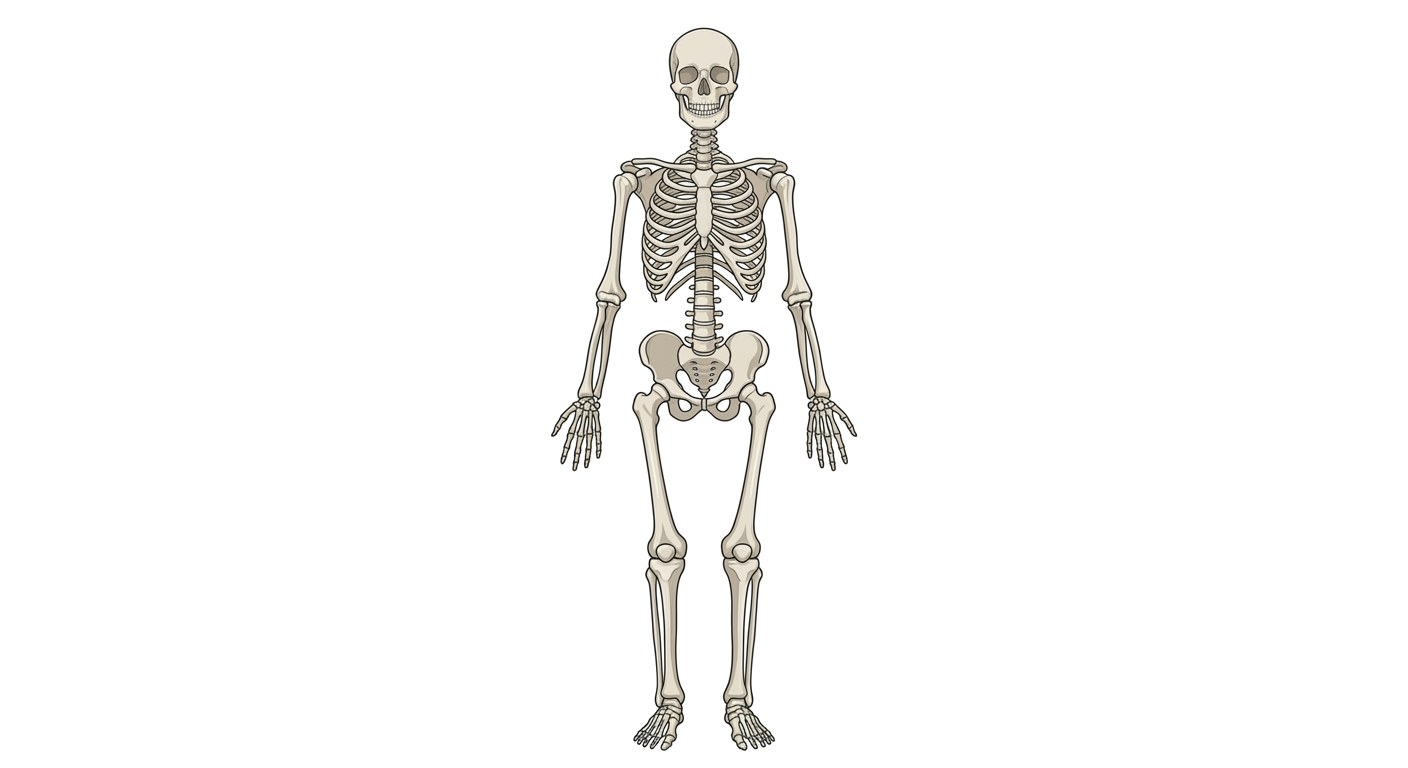
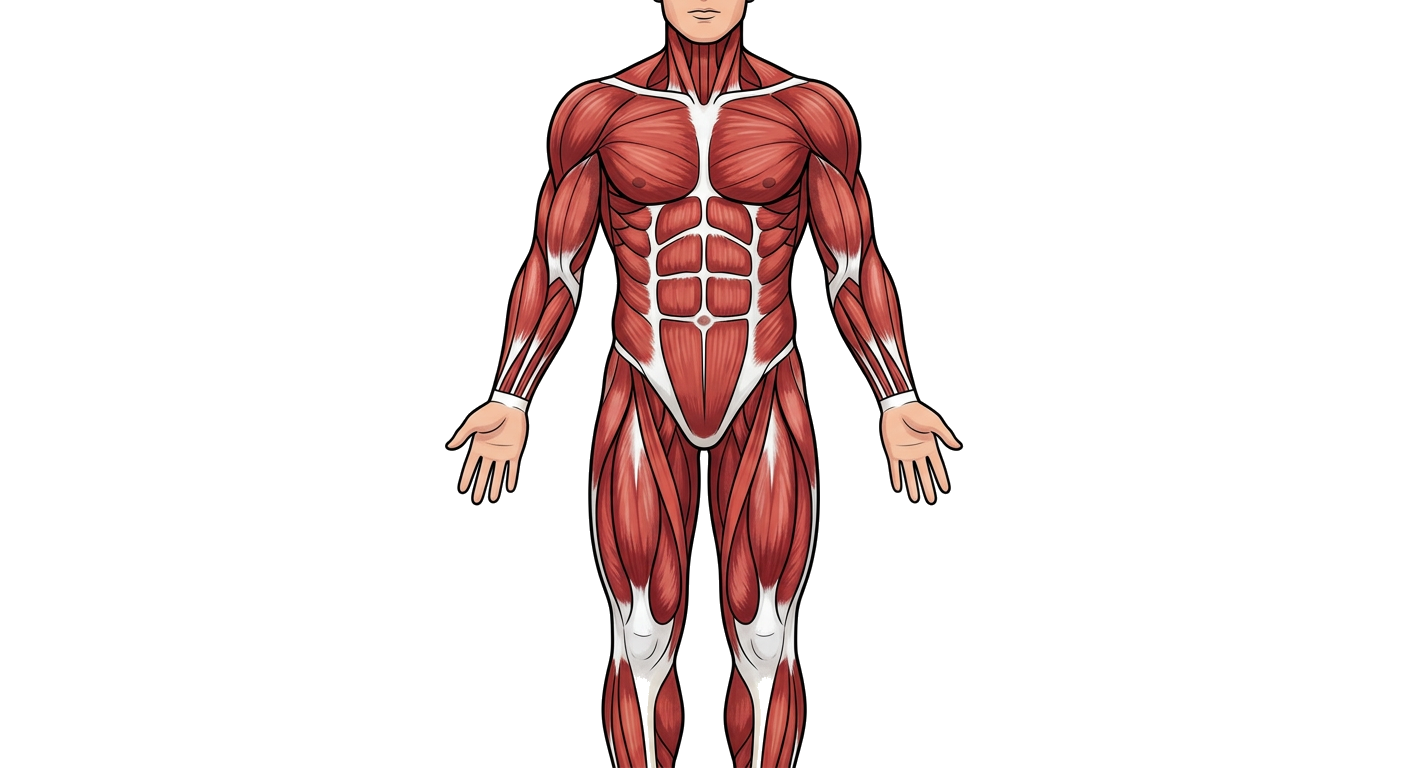
Related Worksheets
The Six Kingdoms of Life
Explore the characteristics and classification of organisms into the six kingdoms: Archaebacteria, Eubacteria, Protista, Fungi, Plantae, and Animalia.
Balance in Nature Worksheet
Explore the intricate balance within ecosystems, including food webs, predator-prey relationships, and the impact of environmental changes on natural balance.
Mitosis Worksheet
Explore the process of mitosis, including its stages and importance in cell division, for Grade 6 science students.
Fungi Fun Facts
Explore the amazing world of fungi with this interactive worksheet for Grade 6 science students.
Animal Cells: Exploring the Building Blocks of Life
This worksheet introduces 6th-grade students to the basic structure and functions of animal cells, including organelles like the nucleus, cytoplasm, and cell membrane.
The Excretory System
Explore the human excretory system with this worksheet for Grade 6 science students. Learn about the organs involved and their functions in waste removal.
Food Chain Fundamentals
Explore the basics of food chains, identifying producers, consumers, and decomposers, and understanding energy flow.
Grade 6 Circulatory System Worksheet
A worksheet for 6th graders to learn about the human circulatory system, including its components and functions.