Understanding Alcohol
A Grade 6 science worksheet covering the basic facts about alcohol, its effects on the body, and making healthy choices.
Includes
Standards
Topics
Understanding Alcohol
Name:
Date:
Score:
Read each question carefully and answer to the best of your ability. This worksheet will help you learn about alcohol and its effects.
1. Which of the following is NOT a short-term effect of alcohol on the body?
Slurred speech
Improved coordination
Difficulty walking
Dizziness
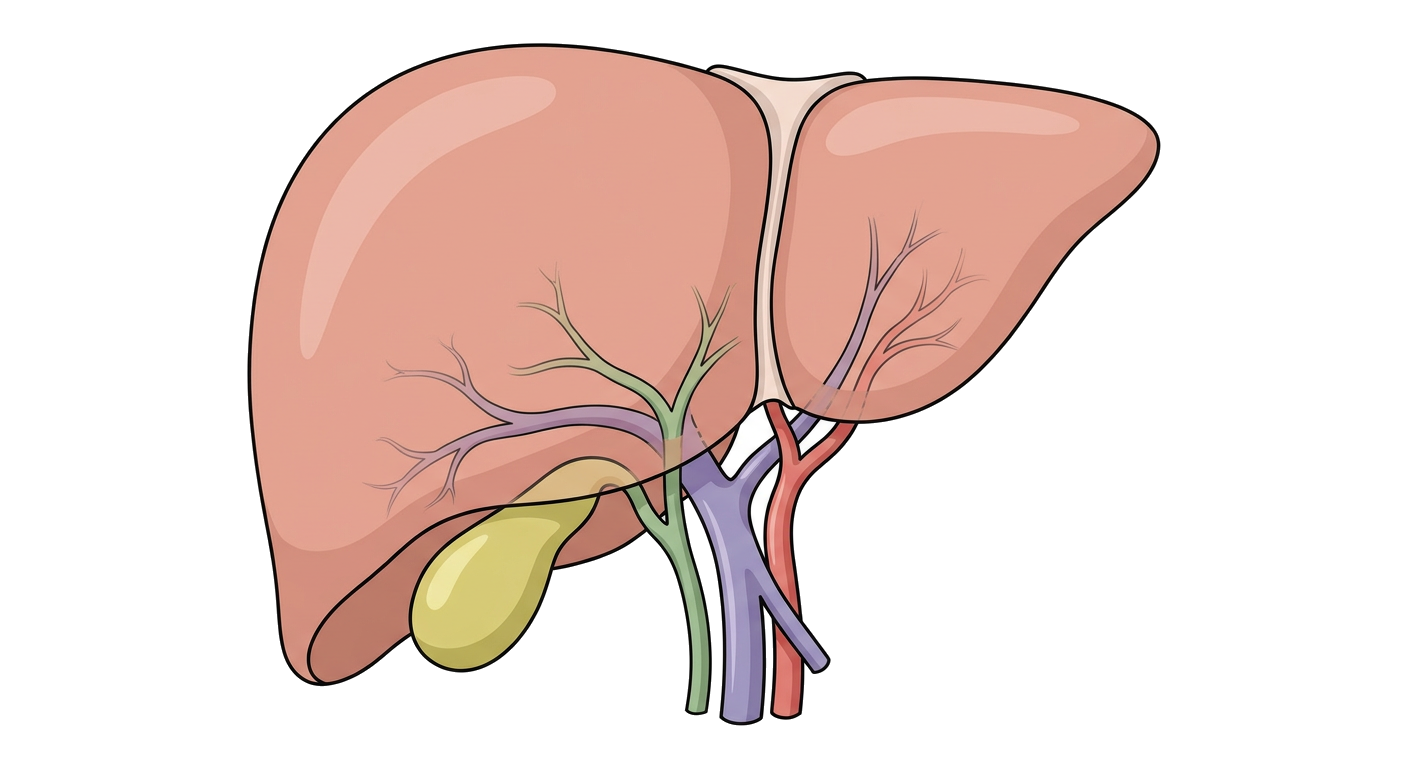
2. Which organ is primarily responsible for breaking down alcohol in the body?
Heart
Lungs
Liver
Brain
3. Alcohol is a that slows down the brain and body functions.
4. Long-term use of alcohol can damage the and other organs.
5. People under the age of 21 are not legally allowed to alcohol.
6. Describe one way alcohol affects the brain.
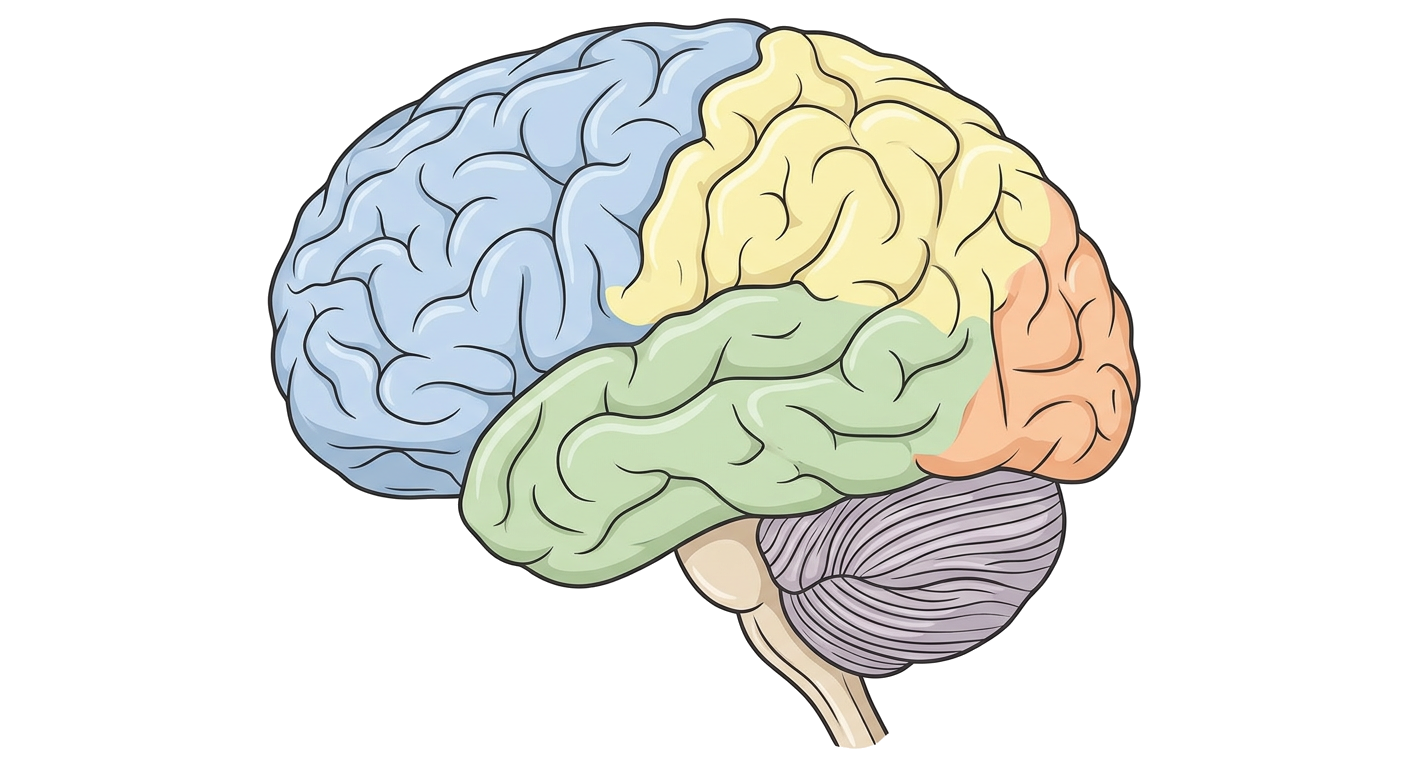
7. Explain why it is important for young people to avoid alcohol.
8. Alcohol can make you feel more energized and focused.
True
False
9. It is safe to drink alcohol if you are with an adult.
True
False
Use the words below to complete the sentences.
10. Alcohol is a .
11. The is greatly affected by alcohol, leading to impaired judgment.
12. The processes alcohol, and heavy drinking can cause serious damage.
13. Making good about alcohol is important for your health and safety.
Related Worksheets
Mixtures and Pure Substances
Explore the fundamental concepts of mixtures and pure substances with this engaging Grade 6 science worksheet.
Exploring Metalloids
A Grade 6 science worksheet introducing students to the properties and characteristics of metalloids, their position on the periodic table, and common examples.
Classification and Changes in Matter
Explore the classification of matter and differentiate between physical and chemical changes with this Grade 6 science worksheet.
Chemical Names and Formulas Basics
Explore the fundamentals of chemical names and formulas for common elements and compounds.
Classification of Matter Worksheet
Explore the different states of matter and their properties with this Grade 6 science worksheet.
Physical and Chemical Changes
Explore the differences between physical and chemical properties and changes with this Grade 6 science worksheet.
Understanding Phase Changes
Explore the different states of matter and the processes of phase change with this Grade 6 science worksheet.
Exploring Metals
A Grade 6 science worksheet focusing on the properties, uses, and classification of metals.