Conservation of Mass Worksheet
Explore the principle of conservation of mass with engaging questions and activities for 6th graders.
Includes
Standards
Topics
Conservation of Mass: Grade 6 Science
Name:
Date:
Score:
Read each question carefully and answer to the best of your ability. Remember the Law of Conservation of Mass: matter cannot be created or destroyed, only transformed.
1. What does the Law of Conservation of Mass state?
Mass can be created and destroyed.
Mass is always gained in a chemical reaction.
Mass cannot be created or destroyed.
Mass is always lost in a chemical reaction.
2. If you burn a piece of wood, what happens to its mass?
It is destroyed.
It is converted into energy and disappears.
Its mass is conserved, but it changes form (ash, smoke, gas).
It increases because fire adds mass.
3. In a closed system, the total mass of the reactants before a chemical reaction is equal to the total mass of the after the reaction.
4. When ice melts into water, its mass .
5. The Law of Conservation of Mass only applies to solids.
True
False
6. If a log burns and turns into ash and smoke, the total mass of the ash and smoke combined will be less than the original log.
True
False
7. Describe an everyday example of the conservation of mass.
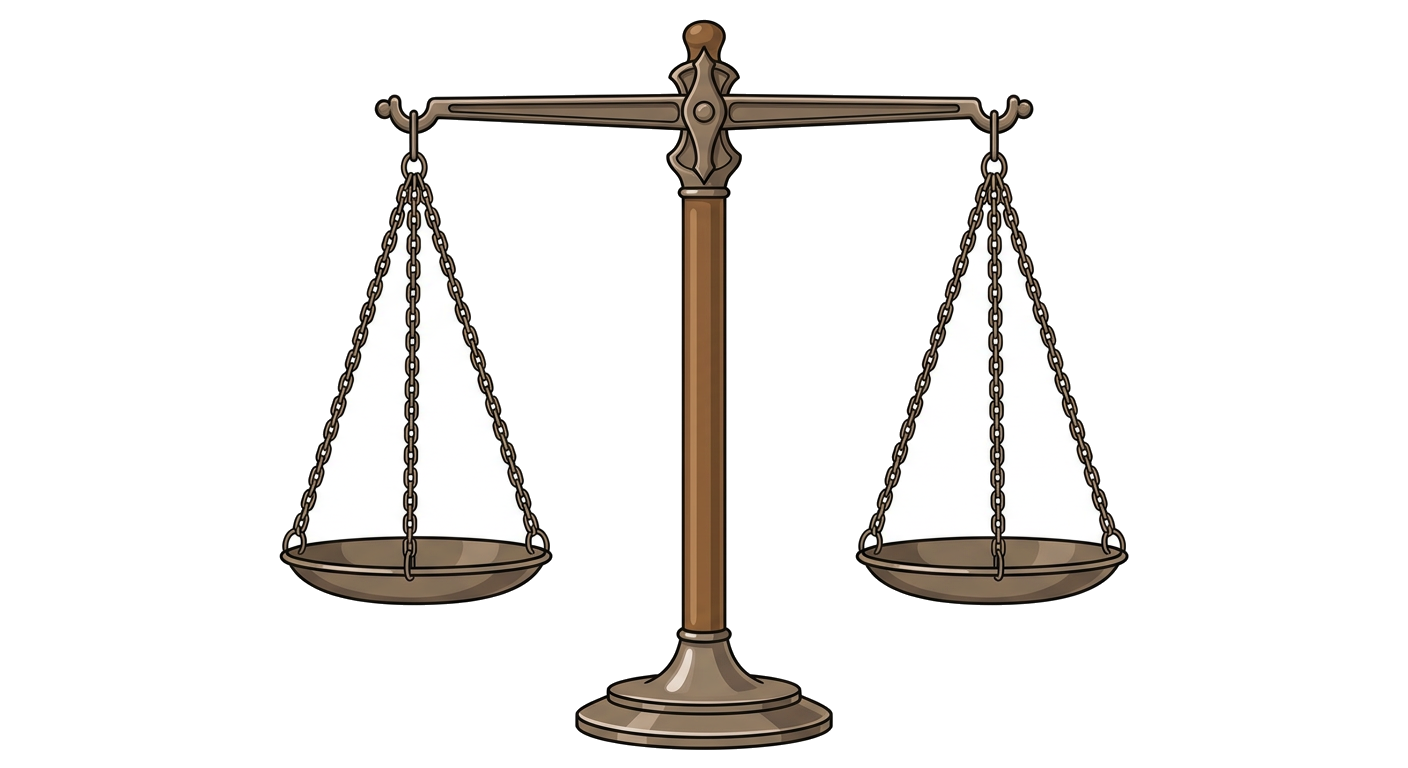
8. Observe the image below of a balance scale. If the total mass on the left side is 50 grams, and the total mass on the right side is 50 grams, what does this demonstrate about the conservation of mass?
Related Worksheets
Mixtures and Pure Substances
Explore the fundamental concepts of mixtures and pure substances with this engaging Grade 6 science worksheet.
Exploring Metalloids
A Grade 6 science worksheet introducing students to the properties and characteristics of metalloids, their position on the periodic table, and common examples.
Classification and Changes in Matter
Explore the classification of matter and differentiate between physical and chemical changes with this Grade 6 science worksheet.
Chemical Names and Formulas Basics
Explore the fundamentals of chemical names and formulas for common elements and compounds.
Classification of Matter Worksheet
Explore the different states of matter and their properties with this Grade 6 science worksheet.
Physical and Chemical Changes
Explore the differences between physical and chemical properties and changes with this Grade 6 science worksheet.
Understanding Phase Changes
Explore the different states of matter and the processes of phase change with this Grade 6 science worksheet.
Exploring Metals
A Grade 6 science worksheet focusing on the properties, uses, and classification of metals.