Dilutions in Science
Explore the concept of dilutions, how to prepare them, and their importance in everyday life with this Grade 6 science worksheet.
Includes
Standards
Topics
Dilutions in Science
Name:
Date:
Score:
Read each question carefully and answer to the best of your ability. Pay attention to diagrams and examples provided.
1. A dilution is the process of reducing the of a solute in a solution.
2. When you add more solvent to a concentrated solution, you are making it more .
3. The liquid that dissolves the solute is called the .
4. The substance that is dissolved in a solvent to form a solution is called the .
1. Which of the following is an example of a dilution?
Adding sugar to coffee
Adding water to orange juice concentrate
Mixing sand and gravel
Heating water to make steam
2. If you have a dark colored juice and add water until it is lighter, what have you done?
Concentrated the juice
Diluted the juice
Evaporated the juice
Crystallized the juice
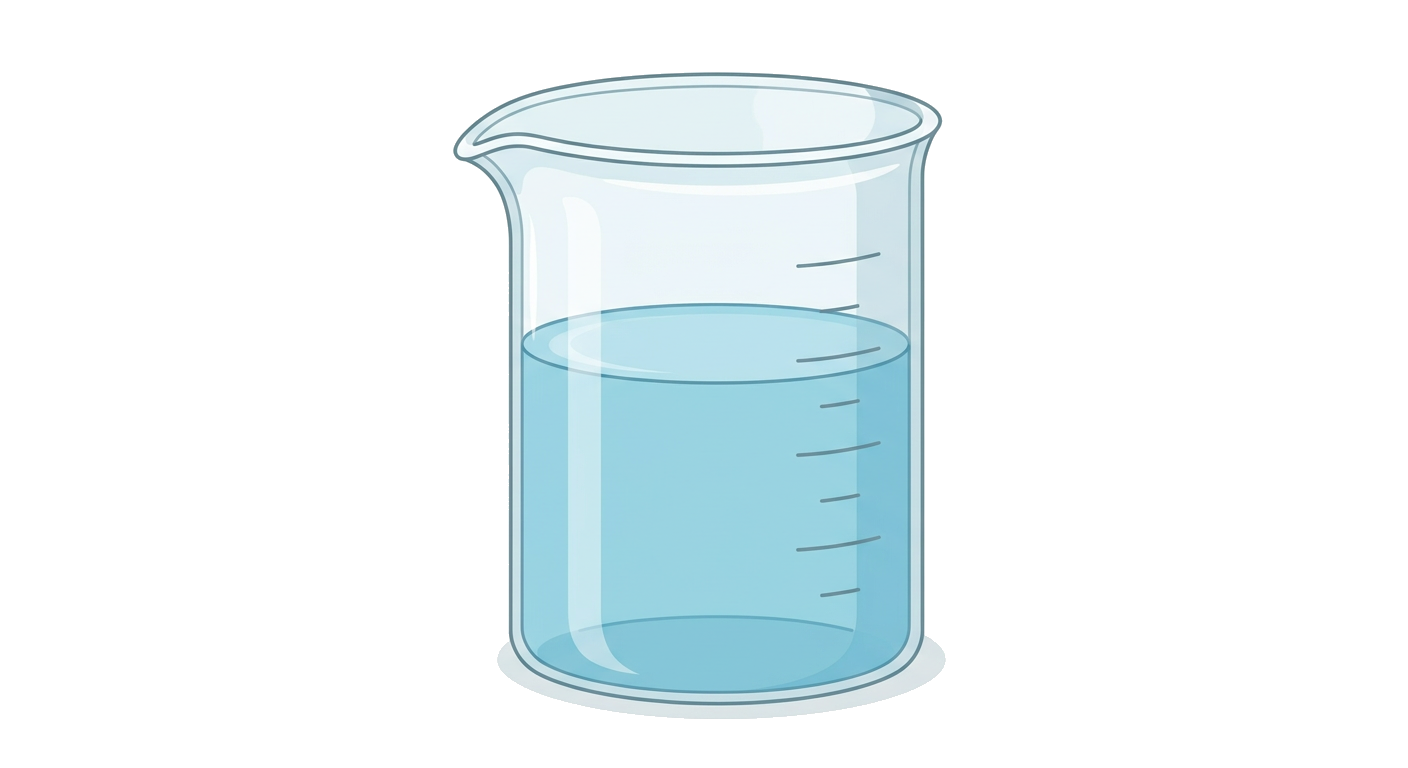
1. You have a beaker of very salty water. Describe one way you could dilute the solution.
2. Why might someone want to dilute a cleaning product before using it?
1. Adding more solute to a solution will make it more dilute.
True
False
2. Diluting a solution changes the amount of solute present.
True
False
Use the words below to complete the sentences.
1. When a solution has a lot of solute compared to the solvent, it is .
2. To make a solution less strong, you need to it by adding more .
3. The substance that gets dissolved is the .
Related Worksheets
Mixtures and Pure Substances
Explore the fundamental concepts of mixtures and pure substances with this engaging Grade 6 science worksheet.
Exploring Metalloids
A Grade 6 science worksheet introducing students to the properties and characteristics of metalloids, their position on the periodic table, and common examples.
Classification and Changes in Matter
Explore the classification of matter and differentiate between physical and chemical changes with this Grade 6 science worksheet.
Chemical Names and Formulas Basics
Explore the fundamentals of chemical names and formulas for common elements and compounds.
Classification of Matter Worksheet
Explore the different states of matter and their properties with this Grade 6 science worksheet.
Physical and Chemical Changes
Explore the differences between physical and chemical properties and changes with this Grade 6 science worksheet.
Understanding Phase Changes
Explore the different states of matter and the processes of phase change with this Grade 6 science worksheet.
Exploring Metals
A Grade 6 science worksheet focusing on the properties, uses, and classification of metals.