Ions and Isotopes Worksheet
Explore the fundamental concepts of ions and isotopes, including atomic structure and how changes in protons, neutrons, and electrons affect an atom.
Includes
Standards
Topics
Ions and Isotopes Worksheet
Name:
Date:
Score:
Read each question carefully and answer to the best of your ability. Refer to the provided diagrams and information when necessary.
1. What subatomic particle determines the identity of an element?
Electron
Neutron
Proton
Nucleus
2. An atom that has gained or lost electrons is called an:
Isotope
Ion
Molecule
Compound
3. The atomic number of an element is equal to the number of in its nucleus.
4. Isotopes are atoms of the same element that have a different number of .
5. A positively charged ion is called an anion.
True
False
6. All atoms of a given element have the same number of neutrons.
True
False
7. Observe the Bohr model of an atom below. Label the protons, neutrons, and electrons.
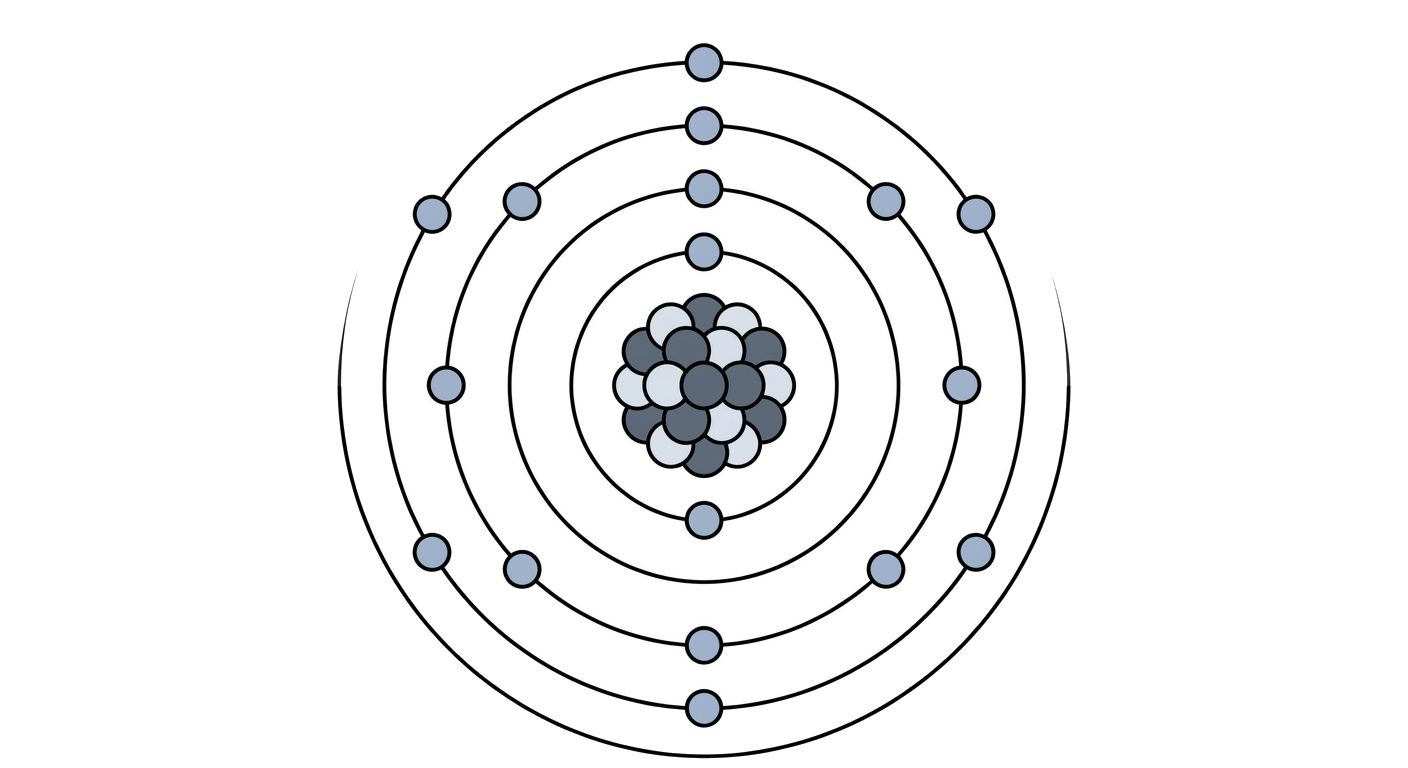
1.
2.
3.
8. Explain the difference between an ion and an isotope.
9. If an atom has 6 protons, 6 neutrons, and 5 electrons, what is its charge?
Related Worksheets
Mixtures and Pure Substances
Explore the fundamental concepts of mixtures and pure substances with this engaging Grade 6 science worksheet.
Exploring Metalloids
A Grade 6 science worksheet introducing students to the properties and characteristics of metalloids, their position on the periodic table, and common examples.
Classification and Changes in Matter
Explore the classification of matter and differentiate between physical and chemical changes with this Grade 6 science worksheet.
Chemical Names and Formulas Basics
Explore the fundamentals of chemical names and formulas for common elements and compounds.
Classification of Matter Worksheet
Explore the different states of matter and their properties with this Grade 6 science worksheet.
Physical and Chemical Changes
Explore the differences between physical and chemical properties and changes with this Grade 6 science worksheet.
Understanding Phase Changes
Explore the different states of matter and the processes of phase change with this Grade 6 science worksheet.
Exploring Metals
A Grade 6 science worksheet focusing on the properties, uses, and classification of metals.