Introduction to Ions
A worksheet introducing sixth-grade students to the basic concepts of ions, including their formation and charge.
Includes
Standards
Topics
Introduction to Ions
Name:
Date:
Score:
Read each question carefully and answer to the best of your ability. This worksheet will help you understand the basics of ions.
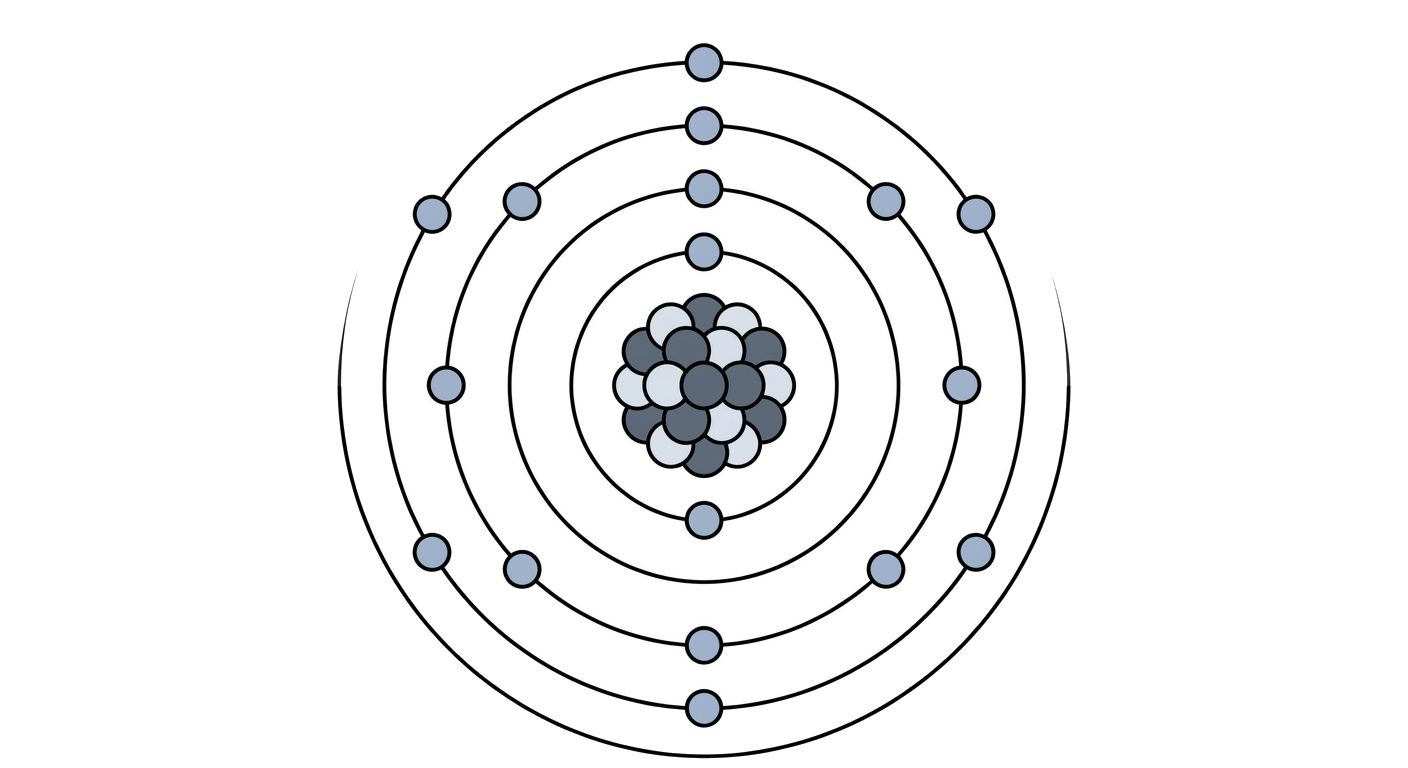
An atom is the basic unit of matter. It is made up of even smaller particles called protons, neutrons, and electrons. Protons have a positive charge, electrons have a negative charge, and neutrons have no charge.
1. Which subatomic particle has a positive charge?
Electron
Neutron
Proton
Nucleus
2. What happens to an atom if it gains electrons?
It becomes positively charged.
It becomes negatively charged.
Its charge stays the same.
It becomes neutral.
3. An atom that has gained or lost electrons is called an .
4. If an atom loses electrons, it becomes a ion.
5. The particles in an atom that have no charge are called .
6. All atoms naturally have a neutral charge.
True
False
7. A positive ion has more electrons than protons.
True
False
8. Explain in your own words what an ion is.
9. Describe the difference between a positive ion (cation) and a negative ion (anion).
Related Worksheets
Mixtures and Pure Substances
Explore the fundamental concepts of mixtures and pure substances with this engaging Grade 6 science worksheet.
Exploring Metalloids
A Grade 6 science worksheet introducing students to the properties and characteristics of metalloids, their position on the periodic table, and common examples.
Classification and Changes in Matter
Explore the classification of matter and differentiate between physical and chemical changes with this Grade 6 science worksheet.
Chemical Names and Formulas Basics
Explore the fundamentals of chemical names and formulas for common elements and compounds.
Classification of Matter Worksheet
Explore the different states of matter and their properties with this Grade 6 science worksheet.
Physical and Chemical Changes
Explore the differences between physical and chemical properties and changes with this Grade 6 science worksheet.
Understanding Phase Changes
Explore the different states of matter and the processes of phase change with this Grade 6 science worksheet.
Exploring Metals
A Grade 6 science worksheet focusing on the properties, uses, and classification of metals.