Grade 6 Science: Lab Equipment
This worksheet introduces sixth-grade students to common laboratory equipment, their names, and their uses in scientific experiments.
Includes
Standards
Topics
Grade 6 Science: Lab Equipment
Name:
Date:
Score:
Read each question carefully and answer to the best of your ability. This worksheet will test your knowledge of common lab equipment.
1. Which piece of lab equipment is used to measure the volume of a liquid precisely?
Beaker
Graduated Cylinder
Test Tube
Flask
2. What is the primary function of a microscope in a science lab?
To heat liquids
To measure temperature
To make small objects appear larger
To filter mixtures
3. A is used to hold and heat small amounts of liquids.
4. When measuring temperature, you would use a .
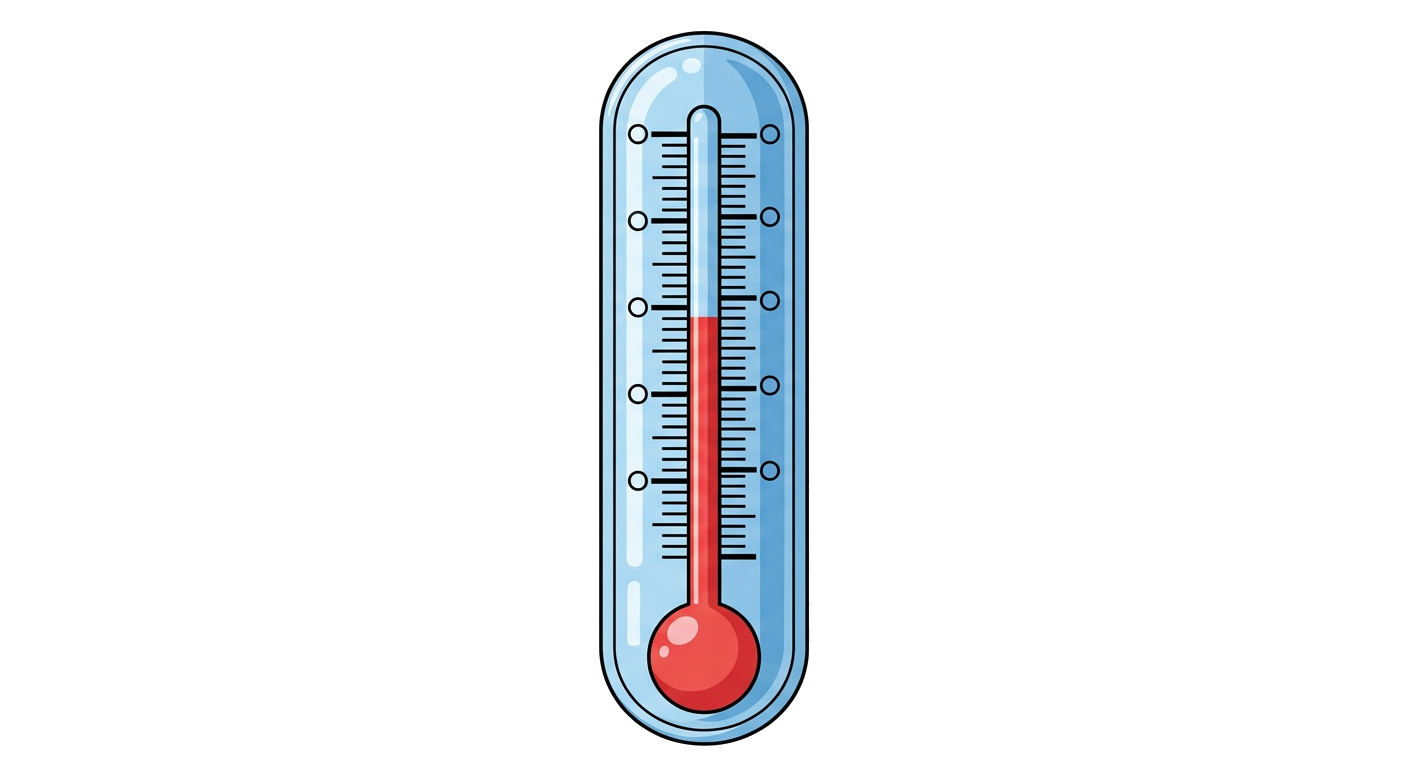
5. Look at the image below. This is a .
6. A beaker is the most accurate tool for measuring liquid volume.
True
False
7. Safety goggles are used to protect your eyes in the lab.
True
False
8. Describe one safety rule you should always follow when using lab equipment.
9. Why is it important to use the correct lab equipment for each task?
Match each piece of equipment with its use.
10. Test tube
a. Used for stirring solutions
11. Funnel
b. Holds small amounts of liquid
12. Stirring rod
c. Helps pour liquids without spilling
Related Worksheets
Mixtures and Pure Substances
Explore the fundamental concepts of mixtures and pure substances with this engaging Grade 6 science worksheet.
Exploring Metalloids
A Grade 6 science worksheet introducing students to the properties and characteristics of metalloids, their position on the periodic table, and common examples.
Classification and Changes in Matter
Explore the classification of matter and differentiate between physical and chemical changes with this Grade 6 science worksheet.
Chemical Names and Formulas Basics
Explore the fundamentals of chemical names and formulas for common elements and compounds.
Classification of Matter Worksheet
Explore the different states of matter and their properties with this Grade 6 science worksheet.
Physical and Chemical Changes
Explore the differences between physical and chemical properties and changes with this Grade 6 science worksheet.
Understanding Phase Changes
Explore the different states of matter and the processes of phase change with this Grade 6 science worksheet.
Exploring Metals
A Grade 6 science worksheet focusing on the properties, uses, and classification of metals.