Periodic Table Organization
Explore the organization and key features of the periodic table, including periods, groups, and basic element information.
Includes
Standards
Topics
Periodic Table Organization
Name:
Date:
Score:
Read each question carefully and answer to the best of your ability.
1. The periodic table organizes elements by increasing what?
Number of neutrons
Atomic number
Atomic mass
Number of electrons
2. What are the horizontal rows on the periodic table called?
Groups
Families
Periods
Blocks
3. The vertical columns on the periodic table are called .
4. Elements in the same group have similar properties.
5. The atomic number of an element tells you the number of in its nucleus.
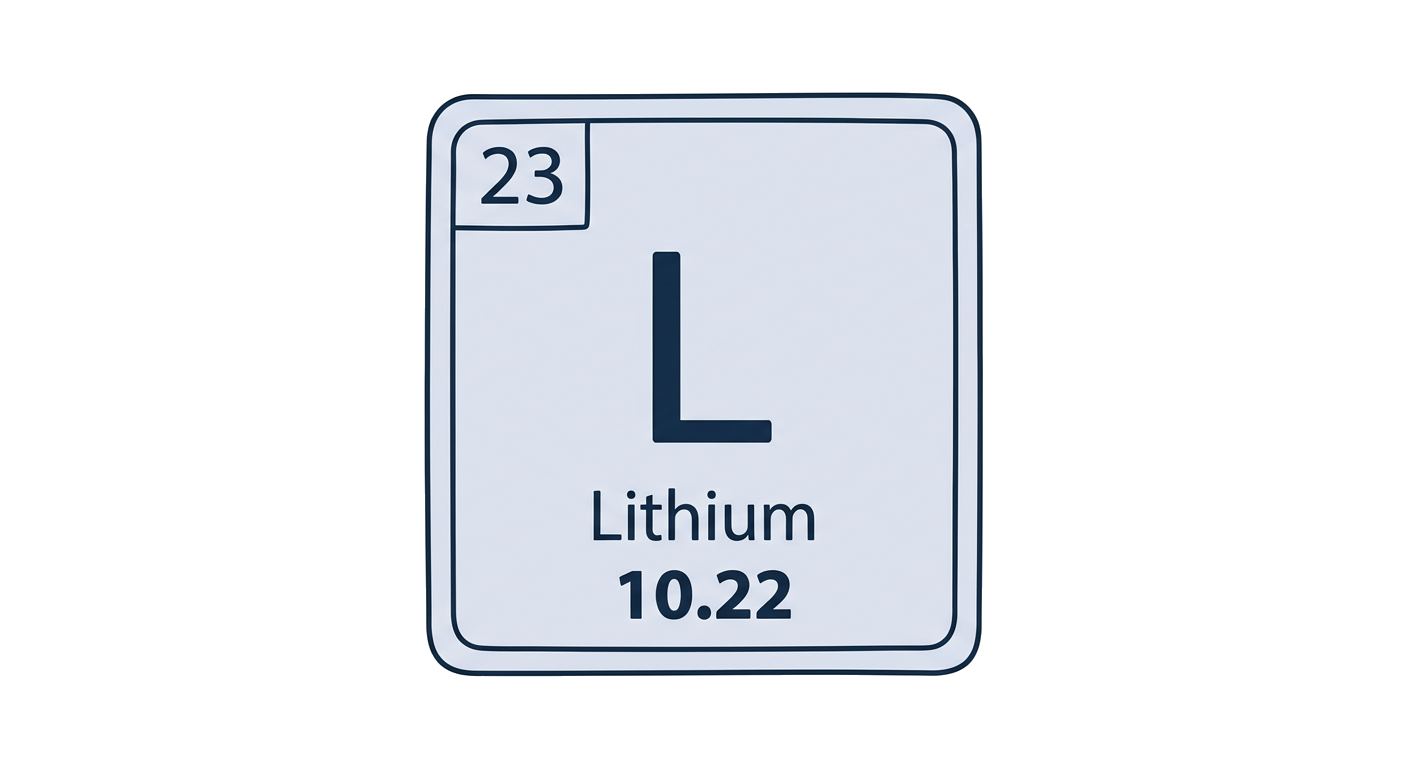
6. Look at the image below. What does the number '6' represent for Carbon (C)?
7. Explain why elements in the same period have different chemical properties.
8. All elements in the periodic table are naturally occurring.
True
False
9. The periodic table is arranged in order of increasing atomic mass.
True
False
Match each term with its definition.
10. Period
a. Vertical column on the periodic table
11. Group
b. Horizontal row on the periodic table
12. Atomic Number
c. Number of protons in an atom
Related Worksheets
Mixtures and Pure Substances
Explore the fundamental concepts of mixtures and pure substances with this engaging Grade 6 science worksheet.
Exploring Metalloids
A Grade 6 science worksheet introducing students to the properties and characteristics of metalloids, their position on the periodic table, and common examples.
Classification and Changes in Matter
Explore the classification of matter and differentiate between physical and chemical changes with this Grade 6 science worksheet.
Chemical Names and Formulas Basics
Explore the fundamentals of chemical names and formulas for common elements and compounds.
Classification of Matter Worksheet
Explore the different states of matter and their properties with this Grade 6 science worksheet.
Physical and Chemical Changes
Explore the differences between physical and chemical properties and changes with this Grade 6 science worksheet.
Understanding Phase Changes
Explore the different states of matter and the processes of phase change with this Grade 6 science worksheet.
Exploring Metals
A Grade 6 science worksheet focusing on the properties, uses, and classification of metals.