Density Calculation Worksheet
A Grade 6 science worksheet focusing on understanding and calculating density using mass and volume. Includes definitions, formulas, and problem-solving.
Includes
Standards
Topics
Density Calculation Worksheet
Name:
Date:
Score:
Read each question carefully and answer to the best of your ability. Show your work for all calculation problems.
What is Density?
Density is a measure of how much 'stuff' is packed into a certain space. It tells us how heavy something is for its size. Think about a feather and a rock – a rock is much denser than a feather, even if they are the same size!
The formula for density is:
Density = Mass / Volume
Mass is the amount of matter in an object, usually measured in grams (g).
Volume is the amount of space an object occupies, usually measured in cubic centimeters (cm³) or milliliters (mL).
1. Density is a measure of how much is packed into a certain .
2. The formula for density is mass divided by .
3. Mass is typically measured in .
4. Volume can be measured in cubic centimeters or .
1. A rock has a mass of 30 grams and a volume of 10 cm³. What is its density?
2. A block of wood has a mass of 60 grams and a volume of 120 cm³. What is its density?
3. An object has a mass of 100 grams and a density of 2 g/cm³. What is its volume?
1. Which of the following is the correct unit for density?
g/cm
cm³/g
g/cm³
g x cm³
2. If an object is less dense than water, what will it do when placed in water?
Sink
Float
Dissolve
Change color
1. All objects with the same mass have the same density.
True
False
2. Density can help explain why some objects float and others sink.
True
False
Look at the images below and solve the problems.
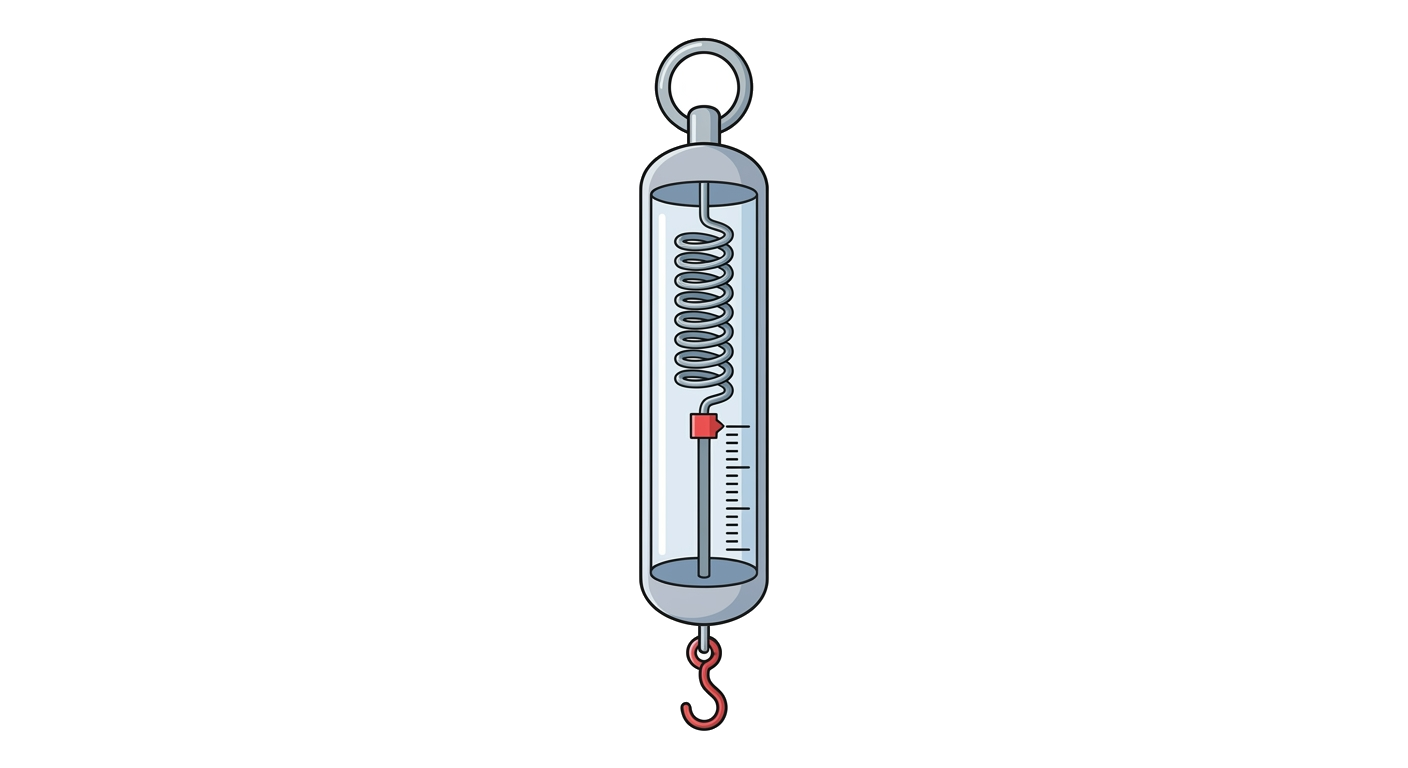
4. An object is weighed using a spring scale and has a mass of 45 grams. Its volume is 9 cm³. Calculate its density.
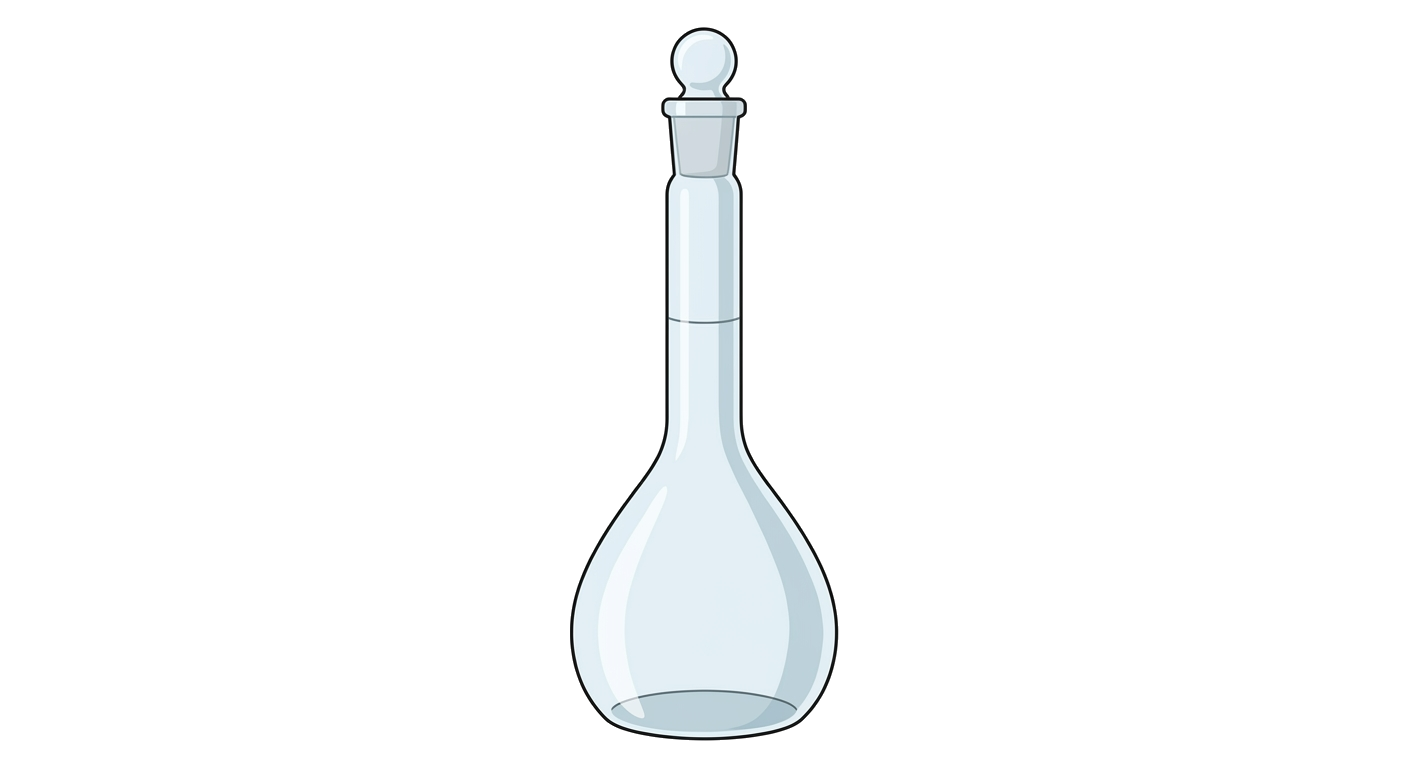
5. A liquid is measured in a volumetric flask and has a volume of 50 mL. If its density is 1.2 g/mL, what is its mass?