Understanding the Bill of Rights
A Grade 6 social studies worksheet covering the key amendments and principles of the Bill of Rights.
Includes
Topics
Understanding the Bill of Rights
Name:
Date:
Score:
Read each question carefully and answer to the best of your knowledge about the Bill of Rights.
1. What is the main purpose of the Bill of Rights?
To establish a national religion
To limit the power of the government and protect individual liberties
To declare war on other countries
To set up a system of taxation
2. Which amendment protects your freedom of speech, religion, press, assembly, and petition?
Second Amendment
Fourth Amendment
First Amendment
Tenth Amendment
3. The Bill of Rights consists of the first amendments to the U.S. Constitution.
4. The Amendment protects citizens from unreasonable searches and seizures.
5. The Third Amendment prevents soldiers from being quartered in private homes without the owner's consent.
True
False
6. The Fifth Amendment ensures the right to a speedy and public trial.
True
False
Use the words below to complete the sentences.
7. The First Amendment protects freedom of religion, , , , and .
8. In your own words, explain the importance of the Bill of Rights to American citizens.
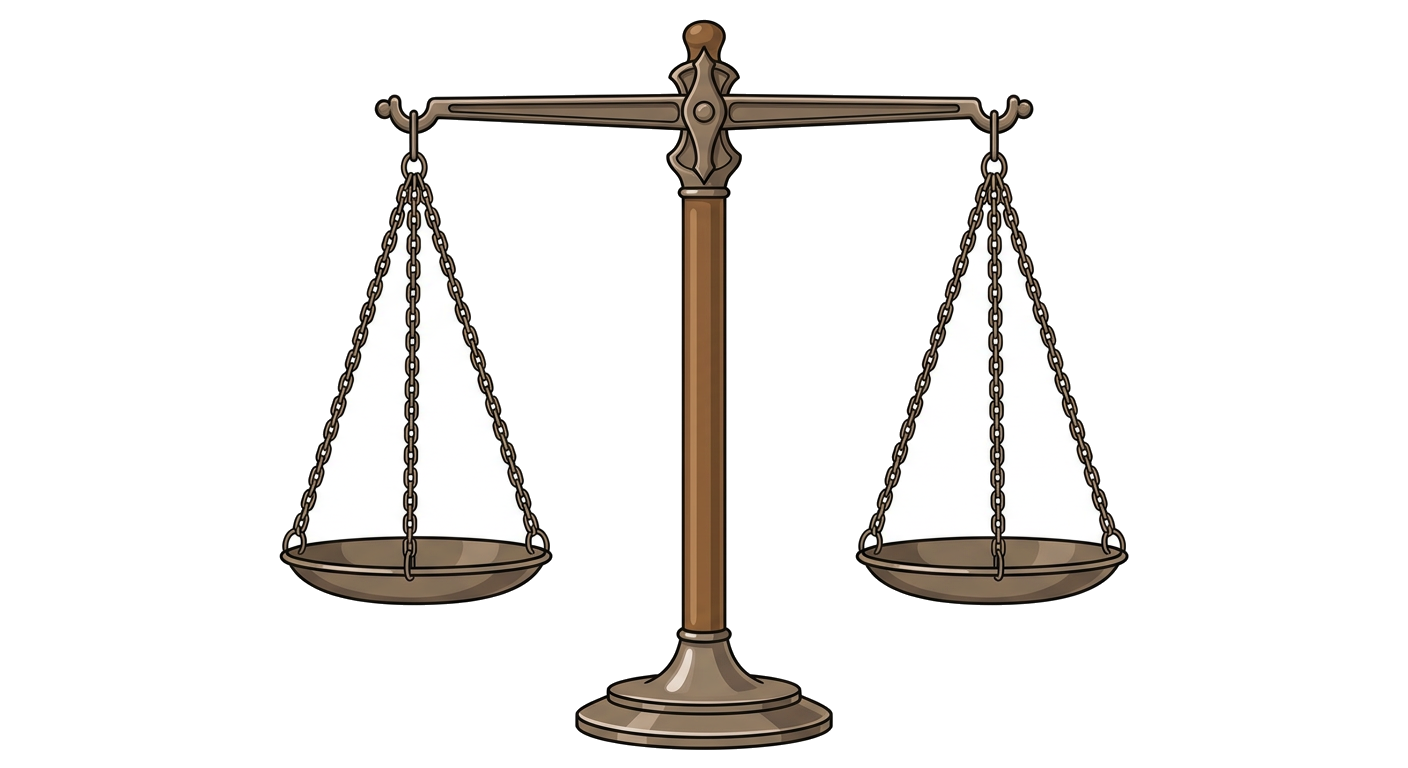
The Scales of Justice are often used to symbolize fairness and equality under the law.
Related Worksheets
Understanding the Preamble
A worksheet for 6th graders to learn about the Preamble to the US Constitution, its purpose, and key phrases.
Understanding Political Parties
This worksheet explores the basics of political parties, their roles, and different types of party systems for 6th-grade social studies students.
Presidential Roles Worksheet
Explore the various roles and responsibilities of the President of the United States with this engaging worksheet for 6th graders.
Understanding the Eviction Process
A Grade 6 social studies worksheet explaining the eviction process, including causes, steps, and tenant rights.
Understanding Congressional Committees
A worksheet for 6th graders to learn about the different types of congressional committees and their functions.