Understanding Cognitive Distortions
A worksheet for 6th graders to learn about common cognitive distortions and how to identify them.
Includes
Topics
Understanding Cognitive Distortions
Name:
Date:
Score:
Read each question carefully and answer to the best of your ability. This worksheet will help you understand different ways our thoughts can trick us.
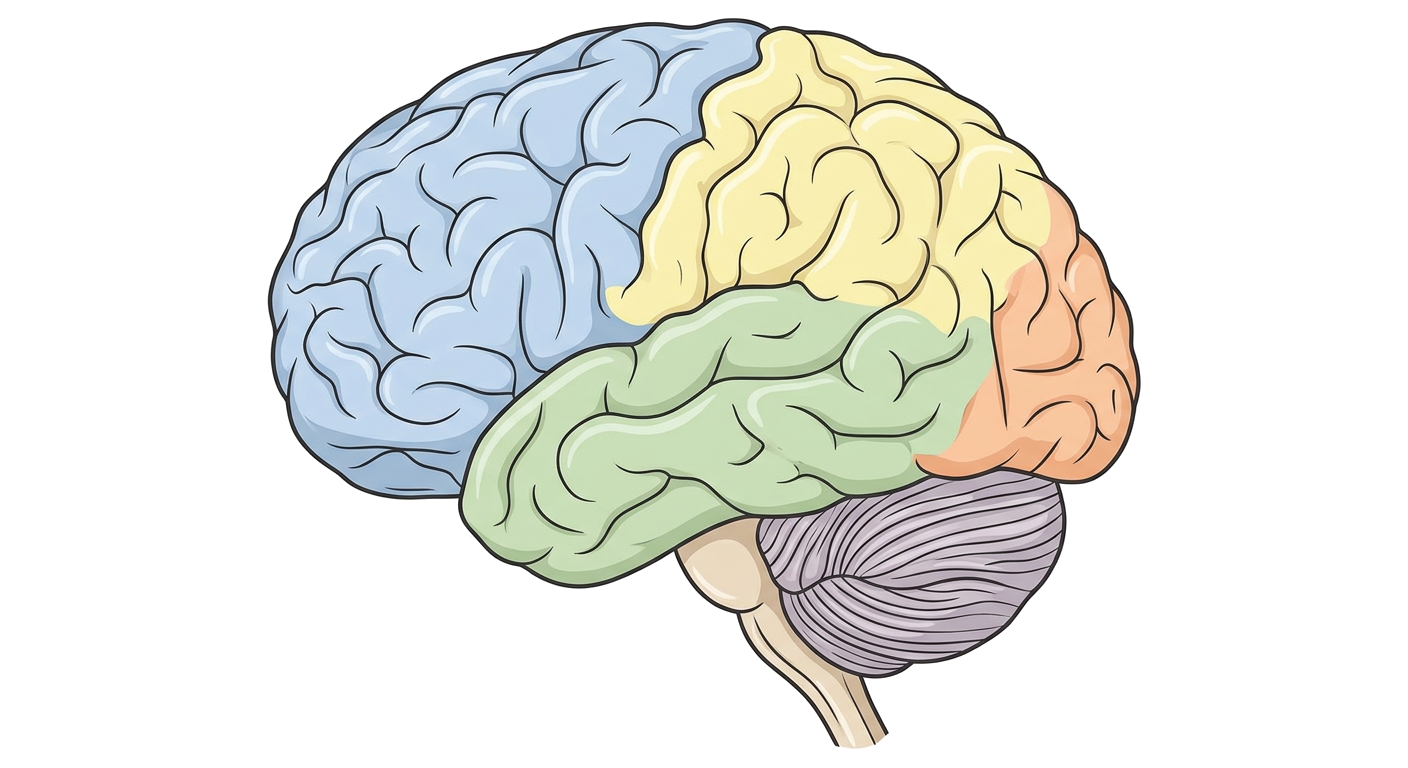
Our brains are amazing, but sometimes they can play tricks on us! We might think things that aren't completely true or helpful. These unhelpful thinking patterns are called 'cognitive distortions.' Learning about them can help us understand our feelings and react in healthier ways.
1. What is a 'cognitive distortion'?
A type of brain injury
An unhelpful thinking pattern
A way to solve math problems
A physical exercise
2. Thinking that one bad thing means everything will go wrong is an example of:
Mind reading
Catastrophizing
All-or-nothing thinking
Personalization
3. When you think in extremes, like everything is either perfect or terrible, it's called thinking.
4. Believing you know what others are thinking without any real proof is known as .
5. Cognitive distortions always help us make good decisions.
True
False
6. It's impossible to change your cognitive distortions.
True
False
7. Describe a time you might have experienced 'personalization' (taking things personally).
8. What is one way you can challenge a negative thought that might be a cognitive distortion?
Use the words below to identify the cognitive distortion in each sentence.
9. 'I failed that one test, so I'm going to fail every subject this year!'
10. 'My friend didn't say hello, so she must be mad at me.'
Related Worksheets
Understanding Suicide Prevention
This worksheet helps 6th-grade students understand the importance of mental health, identifying signs of distress, and knowing how to seek help for themselves or others, focusing on suicide prevention.
Understanding Reconciliation
A Grade 6 social studies worksheet exploring the concept of reconciliation, its importance, and how it can be achieved in communities.
Cyber Safety Essentials
A Grade 6 worksheet covering essential cyber safety practices, including identifying personal information, recognizing online risks, and safe communication.
Emotional Intelligence: Understanding Ourselves and Others
This worksheet helps 6th-grade students understand and practice emotional intelligence by identifying emotions, understanding their impact, and developing empathy.
Conflict Management Skills
This worksheet helps 6th-grade students understand and practice effective conflict management strategies.
Understanding Integrity
A Grade 6 social studies worksheet exploring the concept of integrity, its importance, and how to demonstrate it in daily life.
Understanding Integrity
A Grade 6 social studies worksheet exploring the concept of integrity, its importance, and how to demonstrate it in daily life.
Mood Regulation Skills
This worksheet helps 6th-grade students understand and practice mood regulation strategies through identifying emotions, problem-solving, and self-reflection.