Understanding Dyslexia Intervention
A Grade 7 ELA worksheet focusing on understanding dyslexia, its challenges, and common intervention strategies.
Includes
Standards
Topics
Understanding Dyslexia Intervention
Name:
Date:
Score:
Read the passage below about dyslexia and its interventions. Then, answer the questions that follow.
Dyslexia is a common learning difference that primarily affects reading. It's not a problem with intelligence or vision, but rather a difference in how the brain processes language. People with dyslexia often have difficulty with phonological awareness (understanding the sounds of language), decoding words, and fluent reading. This can make schoolwork challenging, but with the right support and strategies, individuals with dyslexia can become successful readers and learners.
Interventions for dyslexia focus on building foundational reading skills. One highly effective approach is explicit, systematic, and multisensory instruction. This means teaching reading skills directly, in a logical order, and engaging multiple senses (sight, hearing, touch, and movement) to help solidify learning. For example, a student might see a letter, say its sound aloud, and trace it in sand. Common programs based on these principles include Orton-Gillingham and Wilson Reading System.
Beyond direct instruction, accommodations can also be very helpful. These are changes to how a student learns or is tested, without changing what they are expected to learn. Examples include extended time on tests, audiobooks, using text-to-speech software, or having a quiet place to work. Understanding dyslexia and providing appropriate interventions and accommodations can make a significant difference in a student's academic journey.
1. Dyslexia primarily affects which of the following?
Intelligence
Vision
Reading
Math
2. Which of these is NOT a characteristic of effective dyslexia intervention?
Explicit
Random
Systematic
Multisensory
3. Dyslexia is a learning that affects how the brain processes .
4. Engaging multiple senses in instruction is known as a approach.
5. Dyslexia is a sign of low intelligence.
True
False
6. Accommodations change what a student is expected to learn.
True
False
7. Describe one example of a multisensory technique used in dyslexia intervention.
8. Name two common accommodations that can help students with dyslexia.
Use the words below to complete the sentences.
9. People with dyslexia often struggle with awareness, which is understanding the sounds of language.
10. Learning to break down words into their individual sounds is called .
11. Extended time and audiobooks are examples of that help students with dyslexia.
12. With proper intervention, individuals with dyslexia can become readers.
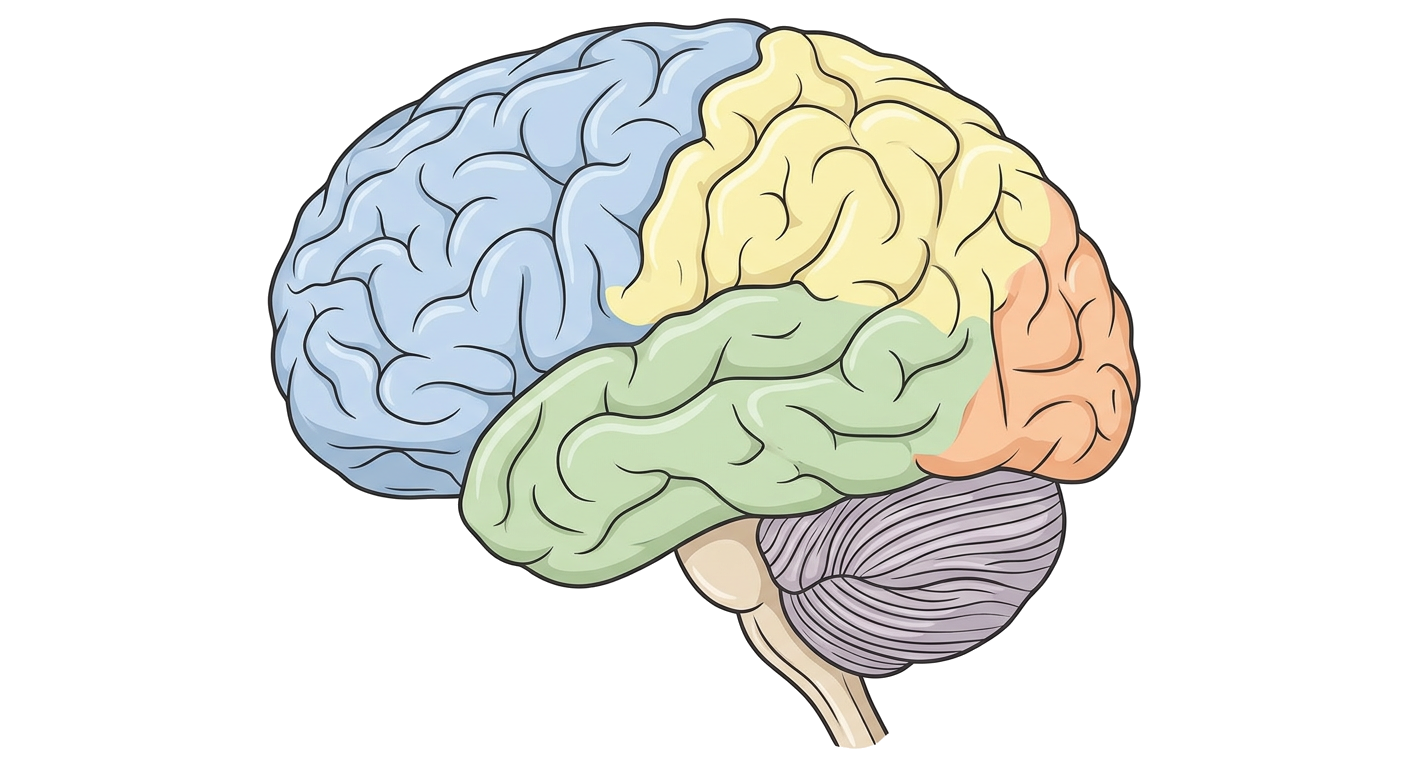
Below is an image of the human brain. While dyslexia is not a visible difference, it involves how certain parts of the brain process language.