Nekton Exploration
A science worksheet for Grade 7 students to explore the characteristics, habitats, and adaptations of nekton, focusing on marine life that can swim actively.
Includes
Standards
Topics
Nekton Exploration
Name:
Date:
Score:
Read each question carefully and answer to the best of your ability. Use complete sentences for short answer questions.
1. What is the primary characteristic that defines nekton?
They float passively with ocean currents.
They are microscopic organisms.
They are active swimmers, independent of currents.
They live permanently attached to the ocean floor.
2. Which of the following is an example of nekton?
Phytoplankton
Jellyfish
Whales
Coral
3. Nekton are marine organisms that can actively through the water, even against currents.
4. Many nektonic animals have streamlined bodies to help them move efficiently through .
5. All nekton are fish.
True
False
6. Nekton can be found in both freshwater and saltwater environments.
True
False
7. Describe two adaptations that help nektonic animals move efficiently through water.
8. How do nekton differ from plankton?
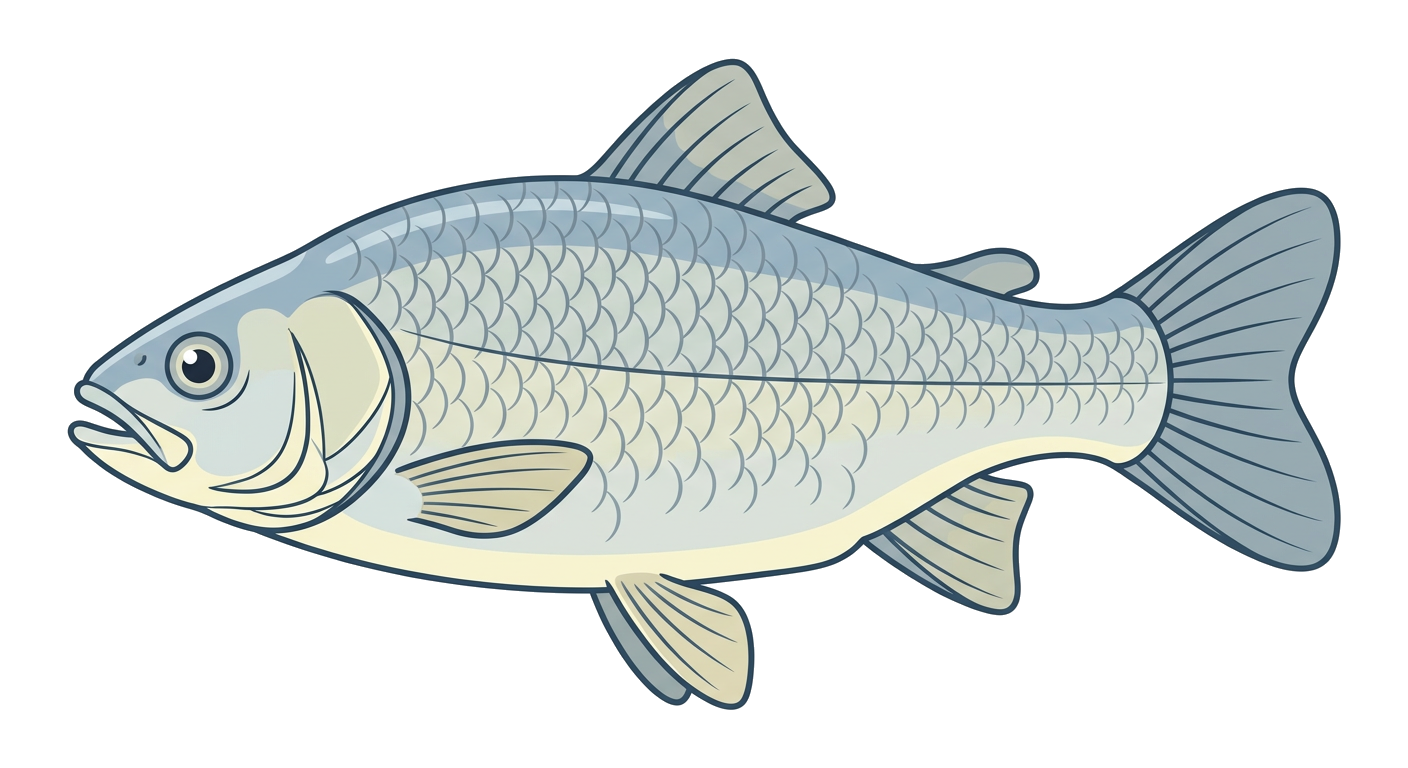
9. Label the external parts of the fish below that aid in its nektonic movement.
Use the words below to complete the sentences.
10. Many nekton have a body shape to reduce drag.
11. Sharks use their powerful to propel themselves through the water.
12. Unlike plankton, nekton can swim against ocean .
13. Whales and dolphins are examples of marine that are nekton.
Related Worksheets
Muscles of the Leg Worksheet
A Grade 7 science worksheet focusing on the major muscles of the human leg, their functions, and identification.
Six Kingdoms of Life Worksheet
Explore the characteristics and classification of the six kingdoms of life with this engaging worksheet for Grade 7 science students.
Six Kingdoms of Life Worksheet
Explore the characteristics and classification of the six kingdoms of life with this engaging worksheet for Grade 7 science students.
Human Decomposition: The Science of Decay
Explore the stages of human decomposition, the factors that influence it, and the roles of scavengers and microorganisms in this Grade 7 Science worksheet.
Feedback Loops in Science
Explore the concepts of positive and negative feedback loops in biological and environmental systems.
Humerus Bone Worksheet
Explore the anatomy and function of the humerus bone with this Grade 7 science worksheet.
Invertebrate Animals Worksheet
Explore the fascinating world of invertebrate animals with this worksheet, covering their characteristics, classifications, and examples.
Frog Dissection Worksheet
A worksheet covering the external and internal anatomy of a frog for grade 7 science students.