Journey Through Chemistry: A Historical Perspective
Explore the fascinating history of chemistry, from ancient discoveries to modern atomic theories, for Grade 7 science students.
Includes
Standards
Topics
Journey Through Chemistry: A Historical Perspective
Name:
Date:
Score:
Read each question carefully and answer to the best of your knowledge. This worksheet covers key milestones in the history of chemistry.
1. Which ancient civilization is credited with early understanding and use of metals like copper and bronze?
Ancient Egyptians
Ancient Greeks
Mesopotamians
All of the above
2. Who proposed that all matter is composed of four elements: earth, air, fire, and water?
Democritus
Aristotle
John Dalton
Robert Boyle
3. The practice of trying to turn base metals into gold was known as .
4. John Dalton's atomic theory stated that all matter is made of tiny, indivisible particles called .
5. The discovery of by Antoine Lavoisier helped to establish chemistry as a quantitative science.
6. Alchemists made significant contributions to laboratory techniques and the discovery of new substances.
True
False
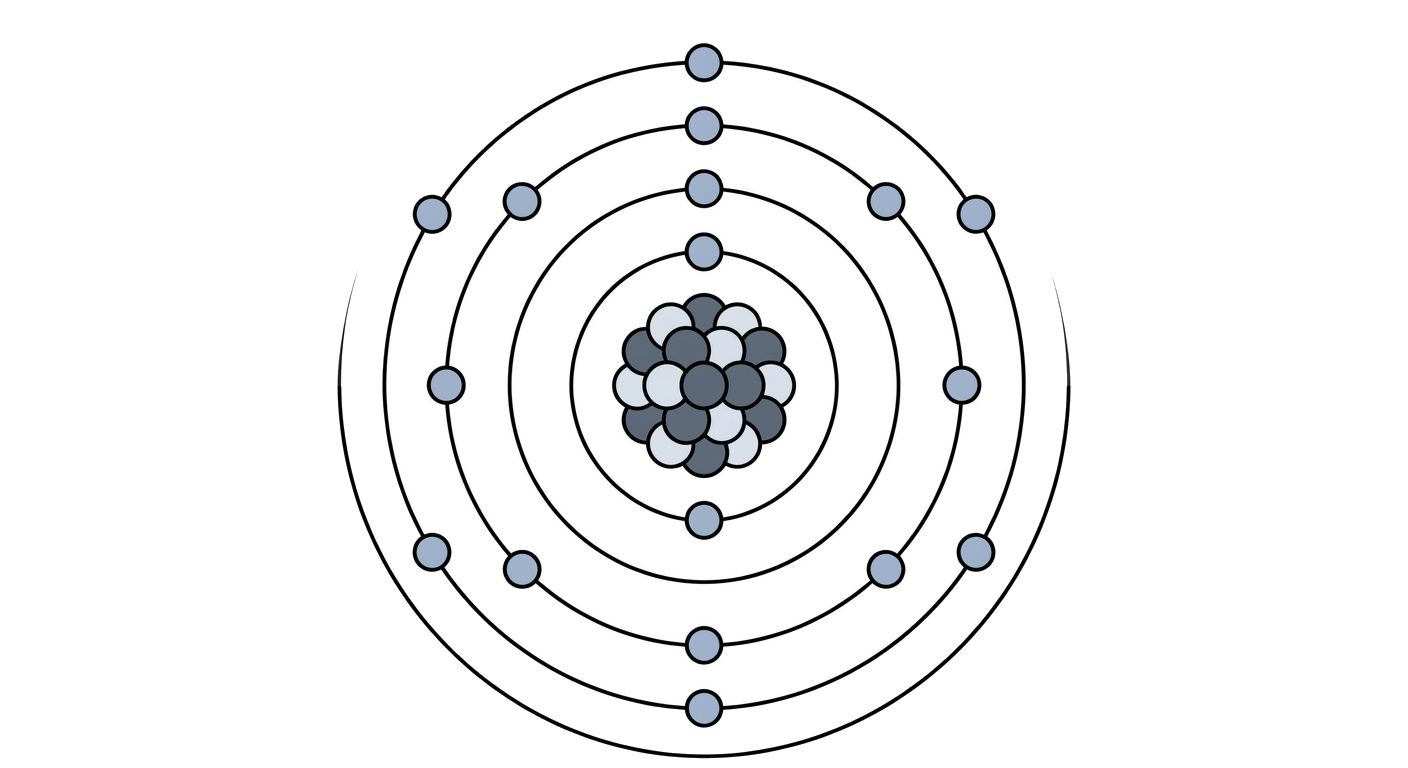
7. The Bohr model of the atom shows electrons orbiting the nucleus in fixed paths, like planets around the sun.
True
False
8. Briefly describe one significant difference between alchemy and modern chemistry.
9. Look at the image below. Which scientist is famous for proposing this model of the atom?
Match the scientist to their major contribution.
10. Robert Boyle
a. Disproved the phlogiston theory
11. Antoine Lavoisier
b. Proposed the first modern atomic theory
12. John Dalton
c. Defined an element as a substance that cannot be broken down