Atomic Models Worksheet
Explore the historical development of atomic models and their key features, from early ideas to the Bohr model.
Includes
Standards
Topics
Atomic Models Worksheet
Name:
Date:
Score:
Read each question carefully and answer to the best of your ability. For multiple choice questions, circle the correct option.
1. Which scientist proposed the 'plum pudding' model of the atom?
John Dalton
J.J. Thomson
Ernest Rutherford
Niels Bohr
2. The Rutherford model suggested that atoms have a small, dense, positively charged center called the:
Electron cloud
Proton
Nucleus
Neutron
3. According to Dalton's atomic theory, atoms of the same element are in size and mass.
4. In the Bohr model, electrons orbit the nucleus in specific energy levels or .
5. The 'plum pudding' model proposed that electrons were embedded in a sphere of uniform positive charge.
True
False
6. The current atomic model is often referred to as the electron cloud model.
True
False
7. Briefly describe one major difference between the Rutherford model and the Bohr model of the atom.
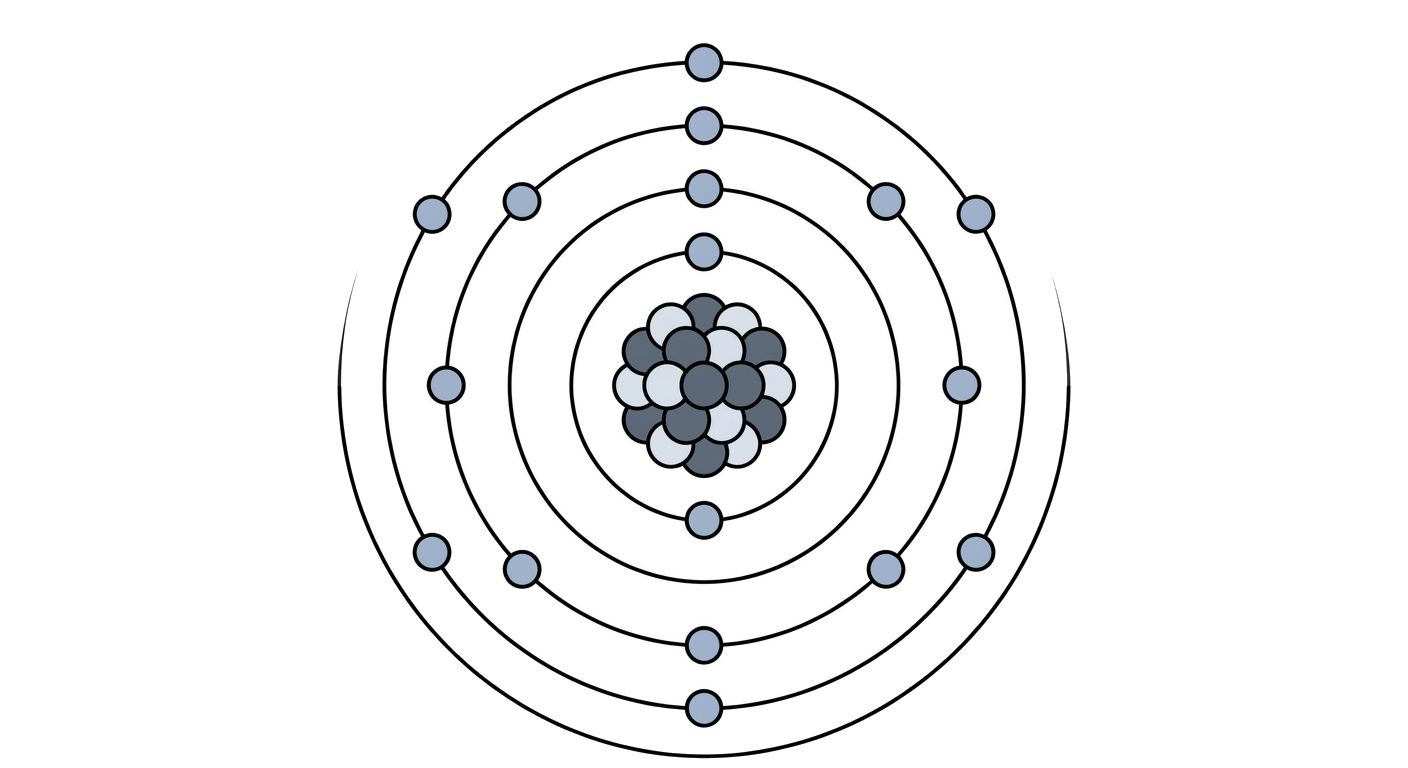
8. Label the parts of the Bohr model of the atom shown below:
A:
B:
C:
Related Worksheets
Counting Atoms in Compounds
A Grade 7 science worksheet focused on understanding how to count atoms in chemical compounds using chemical formulas.
Ions Worksheet
Explore the basics of ions, their formation, and their properties with this Grade 7 Science worksheet.
Nonmetals Worksheet
Explore the properties, characteristics, and uses of nonmetals with this Grade 7 science worksheet.
Ion Formation Worksheet
Explore the basics of ion formation, including atomic structure, valence electrons, and the creation of cations and anions, suitable for Grade 7 Science.
Atomic Models Worksheet
Explore the historical development and key features of atomic models, including Dalton, Thomson, Rutherford, and Bohr models, for Grade 7 Science.
Naming Binary Ionic Compounds
A worksheet for 7th-grade science students to practice naming binary ionic compounds.
Forming Ions Worksheet
Explore the process of how atoms gain or lose electrons to form ions, including cations and anions, at a Grade 7 level.
Neutralization Reaction Worksheet
Explore neutralization reactions, where acids and bases react to form salt and water, with this Grade 7 Science worksheet.