Periodic Table Organization Worksheet
Explore the organization of the periodic table, including periods, groups, and the arrangement of elements based on their properties.
Includes
Standards
Topics
Periodic Table Organization
Name:
Date:
Score:
Read each question carefully and answer to the best of your ability.
1. What is the fundamental property used to organize elements on the modern periodic table?
Atomic mass
Number of neutrons
Atomic number
Density
2. Elements in the same column (group) of the periodic table tend to have similar:
Atomic number
Number of protons
Chemical properties
Physical state at room temperature
3. Horizontal rows on the periodic table are called .
4. Vertical columns on the periodic table are called or families.
5. Elements with atomic numbers 57-71 are known as the series.
6. The periodic table was primarily developed by Dmitri Mendeleev.
True
False
7. Elements in the same period have the same number of valence electrons.
True
False
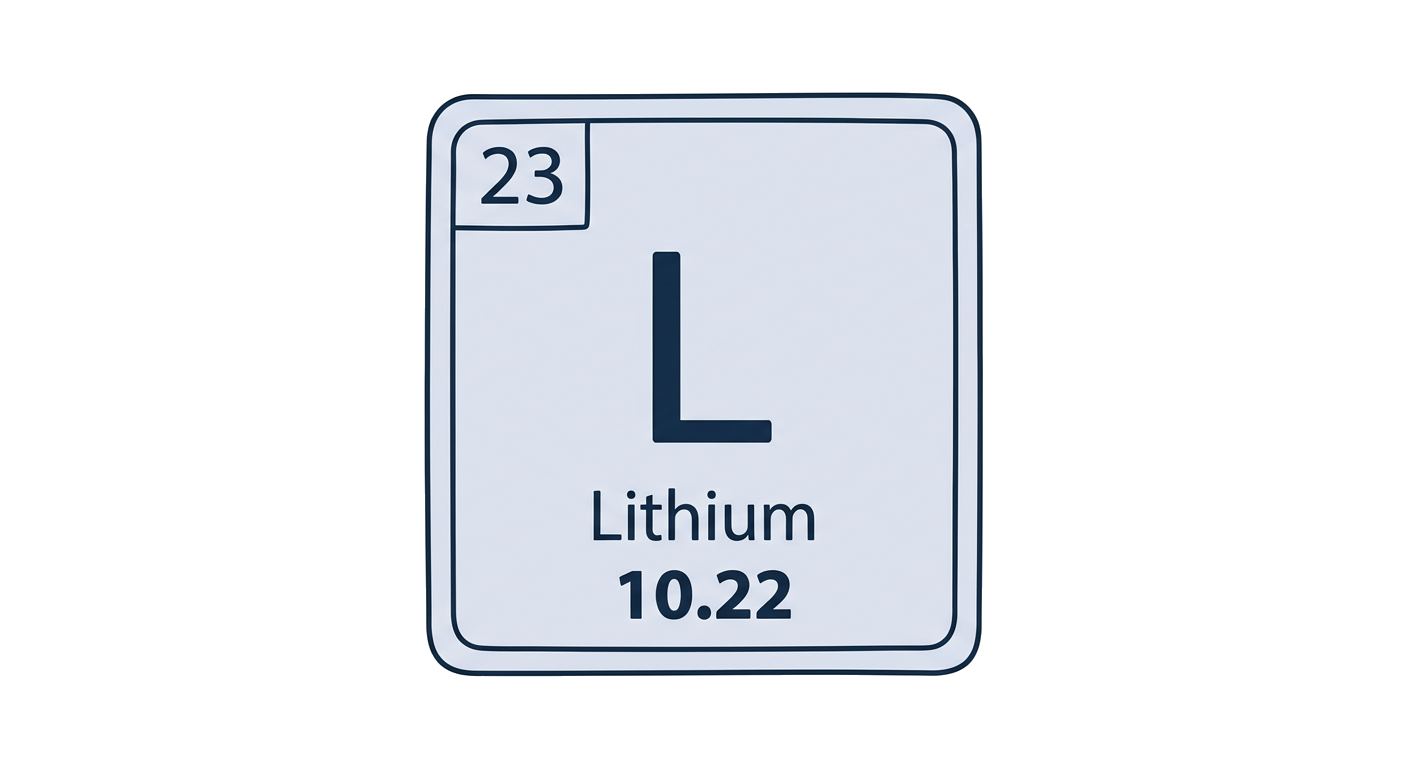
8. What information can you typically find in an element's box on the periodic table?
9. Explain the difference between a period and a group on the periodic table.
Use the words below to complete the sentences.
10. The staircase line on the periodic table separates the from the .
11. Elements in the same group have the same number of , which determines their chemical reactivity.