Owl Pellet Dissection: Unraveling the Diet of Owls
Explore the diet of owls by dissecting an owl pellet and identifying the prey remains within. A hands-on science activity for grade 7.
Includes
Standards
Owl Pellet Dissection: Unraveling the Diet of Owls
Name:
Date:
Score:
Carefully read each question and follow the instructions for each section. This worksheet will guide you through the dissection of an owl pellet to understand the feeding habits of owls.
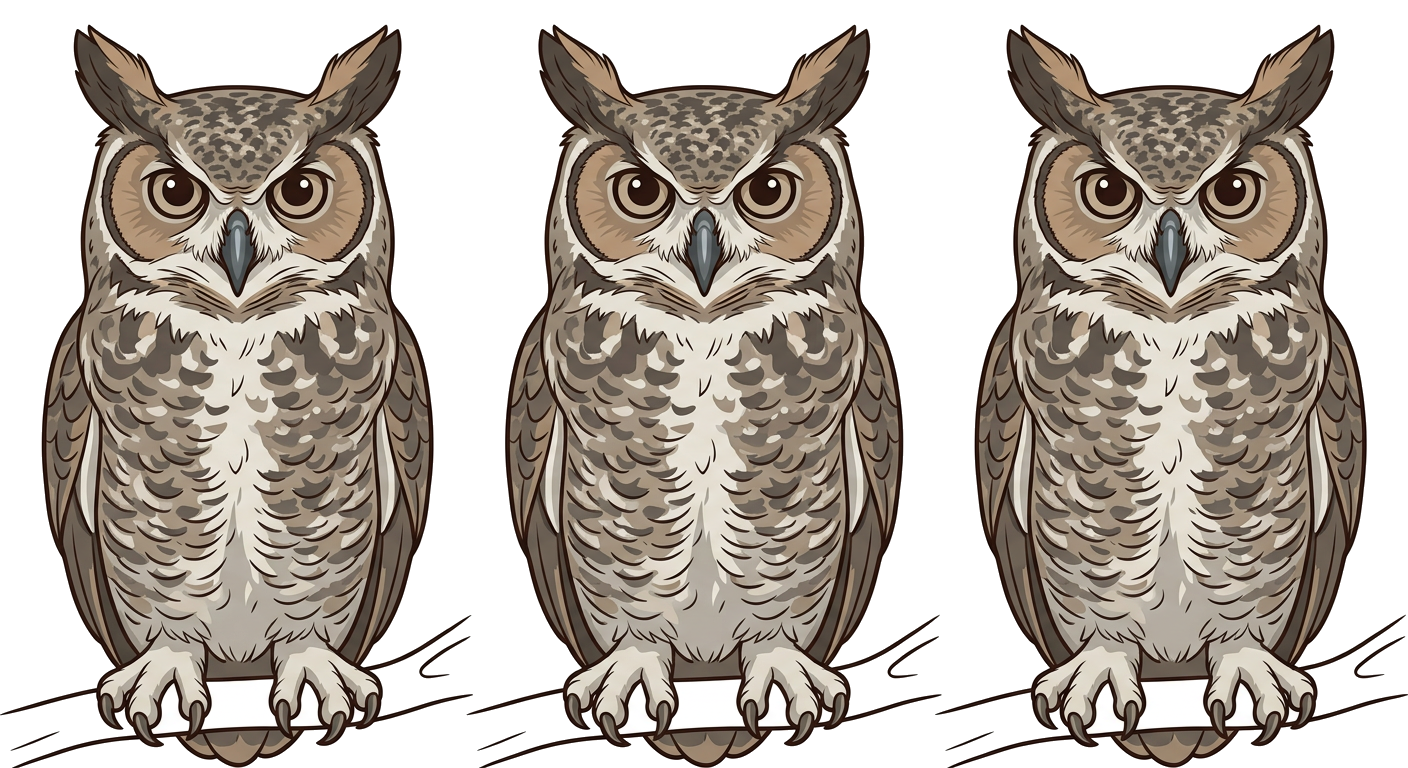
Owls are fascinating nocturnal predators. Unlike many other birds, owls swallow their prey whole or in large pieces. They cannot digest the bones, fur, or feathers of their prey. Instead, these indigestible materials are compressed into a compact mass called a pellet, which the owl then regurgitates. By dissecting an owl pellet, scientists can learn about an owl's diet and the ecosystem it inhabits.
1. What is an owl pellet primarily composed of?
Undigested plant material
Fully digested food
Bones, fur, and feathers
Owl eggs
2. Why do owls regurgitate pellets?
To build their nests
To get rid of indigestible parts of their prey
As a form of communication
To mark their territory
3. By dissecting an owl pellet, scientists can learn about an owl's and the it inhabits.
4. Owls are predators, meaning they are active primarily during the night.
5. Describe the process an owl undergoes after consuming its prey, leading to the formation of a pellet.
6. Owls fully digest all parts of their prey, including bones and fur.
True
False
7. The remains found in an owl pellet can help identify the types of animals living in the owl's hunting area.
True
False
During your dissection, carefully observe the contents of your owl pellet. Use the space below to sketch and describe the different types of bones, fur, or other remains you find.
Match the term with its correct definition.
8. Nocturnal
a. The place where an organism lives
9. Predator
b. Active primarily during the night
10. Ecosystem
c. An animal that hunts and kills other animals for food