Reframing Thoughts Worksheet
A Grade 7 social studies worksheet on understanding and practicing thought reframing techniques.
Includes
Standards
Topics
Reframing Thoughts Worksheet
Name:
Date:
Score:
This worksheet will help you understand and practice reframing negative thoughts into more positive and realistic ones. Read each section carefully and complete the activities.
What is Reframing?
Reframing is a technique used to change the way you look at a situation, a person, or a relationship. It's about shifting your perspective to see things in a more positive or constructive light, even when faced with challenges. This doesn't mean ignoring problems, but rather finding a different way to think about them that reduces negative emotions and encourages problem-solving.
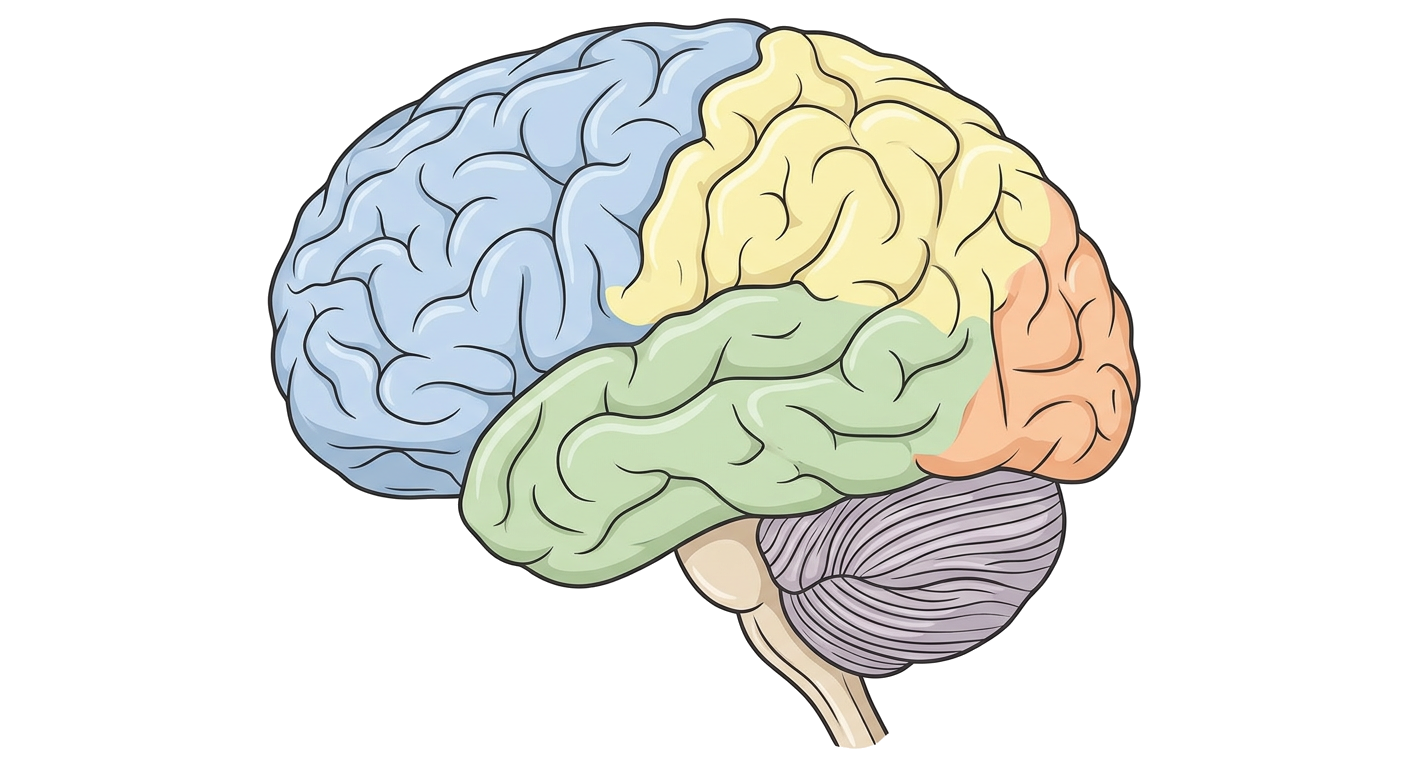
Our brains are powerful, and the way we think about things significantly impacts our feelings and actions. By reframing, we can train our brains to respond more effectively to difficult situations.
1. Which of the following best describes the purpose of reframing thoughts?
To ignore negative feelings altogether
To change your perspective on a situation
To blame others for your problems
To always be happy, no matter what
2. When you reframe a thought, you are essentially:
Changing the facts of the situation
Changing your interpretation of the facts
Forgetting about the problem
Making excuses for bad behavior
1. Reframing helps to reduce emotions and encourage problem-solving.
2. Our are powerful, and the way we think about things significantly impacts our feelings and actions.
3. A key part of reframing is shifting your to see things in a more constructive light.
1. Describe a situation where you might use thought reframing. What was your initial negative thought, and how could you reframe it?
2. Why is it important to acknowledge a negative thought before trying to reframe it?
1. Reframing means pretending that problems don't exist.
True
False
2. Reframing can help you feel more in control of your emotions.
True
False
Practice Reframing:
For each negative thought below, write a reframed, more positive, or realistic thought.
Negative Thought: "I'm terrible at math; I'll never understand this."
Reframed Thought:
Negative Thought: "My friend didn't text me back; they must be mad at me."
Reframed Thought:
Negative Thought: "I failed that test, so I'm a complete failure."
Reframed Thought: