Tooth Structure Worksheet
Explore the intricate anatomy of a human tooth with this Grade 8 science worksheet, covering key parts and their functions.
Includes
Standards
Topics
Tooth Structure Worksheet
Name:
Date:
Score:
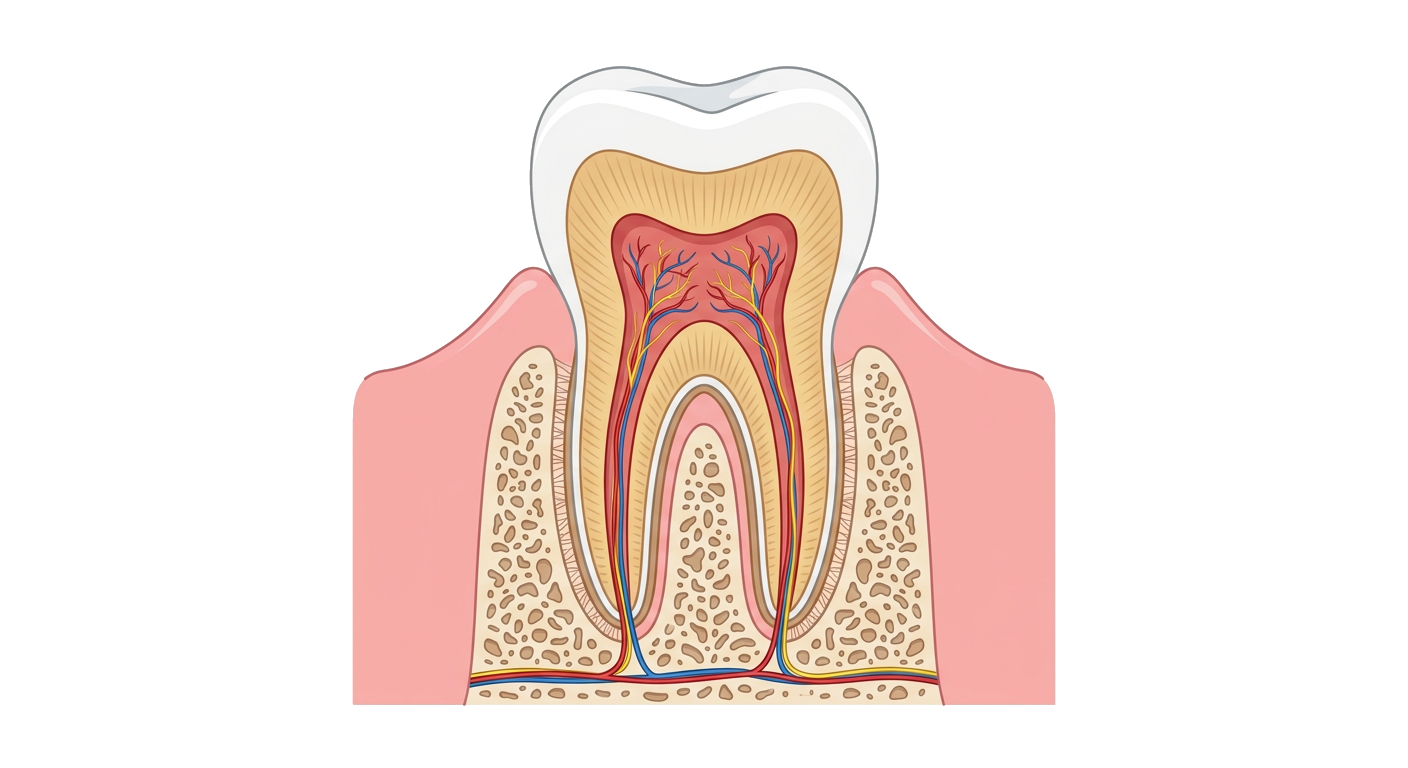
Read each question carefully and answer to the best of your ability. Refer to the diagram provided for assistance.
1. Label the different parts of the tooth in the diagram below.
A.
B.
C.
D.
E.
F.
2. Which part of the tooth is the hardest substance in the human body?
Dentin
Pulp
Enamel
Cementum
3. The innermost part of the tooth, containing nerves and blood vessels, is called the .
4. is the bone-like tissue that covers the root of the tooth.
5. The crown of the tooth is embedded in the jawbone.
True
False
6. Describe the primary function of the cementum in a tooth.
Related Worksheets
The Human Reproductive System
Explore the structures and functions of the male and female reproductive systems, including key hormones and processes.
Grade 8 Fungi Worksheet
Explore the fascinating world of fungi with this Grade 8 science worksheet covering their characteristics, reproduction, and ecological roles.
Interactions in an Ecosystem
Explore the complex relationships and interactions within ecosystems, including food webs, energy flow, and symbiotic relationships, for Grade 8 Science.
Immune System Basics
An introductory worksheet on the human immune system for 8th-grade science students.
Grade 8 Science: The Human Eye
Explore the anatomy and function of the human eye, including its parts, how vision works, and common eye conditions.
Ecological Relationships Worksheet
Explore ecological relationships including predation, competition, mutualism, commensalism, and parasitism with this Grade 8 Science worksheet.
Grade 8 Taxonomy Worksheet
Explore the principles of biological classification with this Grade 8 Science worksheet on Taxonomy, covering hierarchical ranks, binomial nomenclature, and the characteristics of different kingdoms.
Energy Flow in Ecosystems
Explore the concepts of energy flow, food chains, food webs, and ecological pyramids in ecosystems.