Grade 8 Science: Understanding Electrolytes
This worksheet covers the basics of electrolytes, their properties, and their importance in various contexts for Grade 8 science students.
Includes
Standards
Understanding Electrolytes
Name:
Date:
Score:
Read each question carefully and answer to the best of your ability. Show all your work for calculations.
1. Which of the following best describes an electrolyte?
A substance that does not conduct electricity when dissolved in water.
A substance that produces light when dissolved in water.
A substance that conducts electricity when dissolved in water or melted.
A substance that freezes at a very low temperature.
2. Which of the following is a common example of a strong electrolyte?
Sugar (C12H22O11)
Table salt (NaCl)
Distilled water (H2O)
Oil
3. Electrolytes are substances that dissociate into when dissolved in a solvent, allowing the solution to conduct electricity.
4. The human body needs electrolytes like sodium, potassium, and for proper muscle and nerve function.
5. Explain why distilled water does not conduct electricity, while saltwater does.
6. All solutions that contain water are electrolytes.
True
False
Use the words below to complete the sentences.
7. When an electrolyte dissolves in water, it will into charged particles.
8. The ability of a solution to carry an electric current is called .
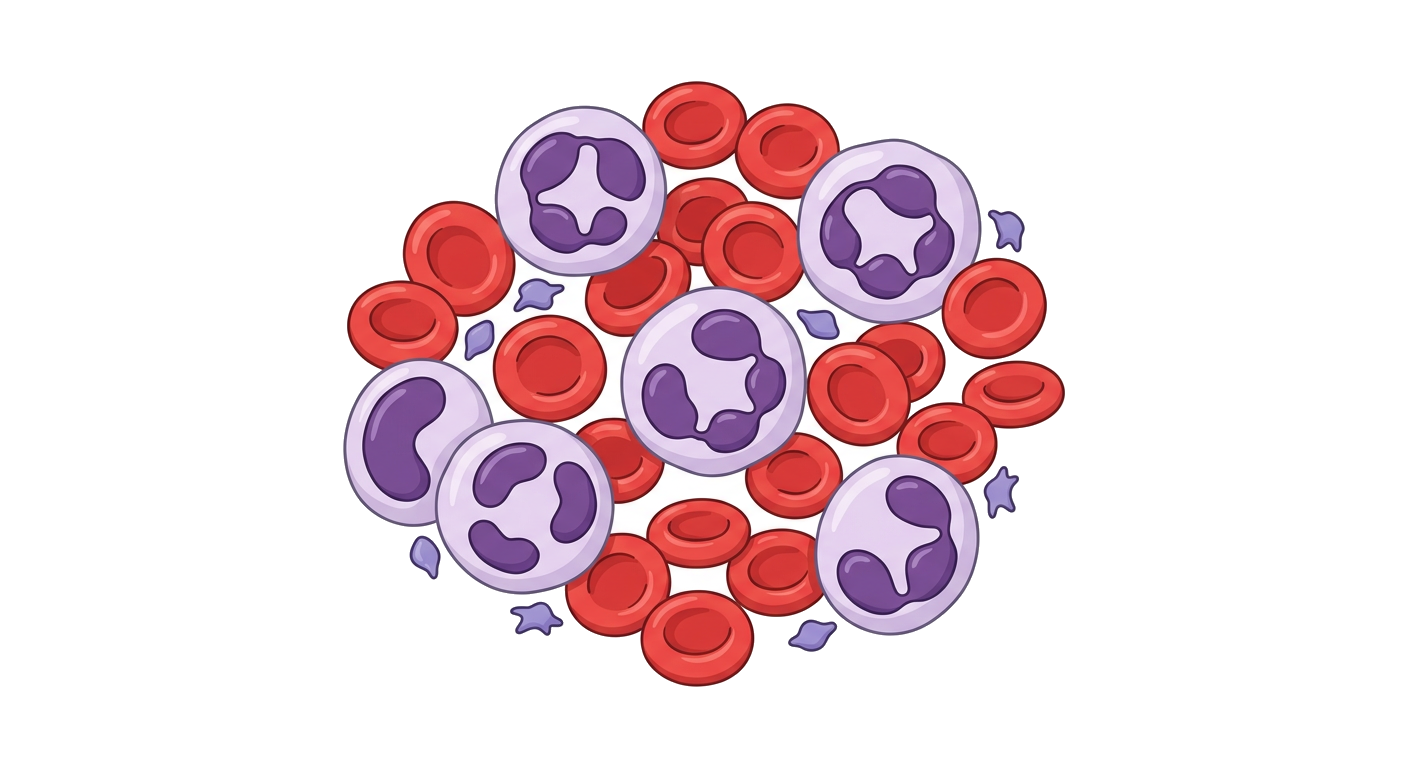
9. Examine the diagram of blood cells below. Red blood cells contain various electrolytes. Name two electrolytes commonly found in blood and explain their importance.