Daylight Saving Time Explained
An 8th-grade science worksheet exploring the history, reasons, and effects of Daylight Saving Time.
Includes
Standards
Topics
Daylight Saving Time Explained
Name:
Date:
Score:
Read the information and answer the questions below. For multiple-choice questions, circle the correct letter. For fill-in-the-blank questions, complete the sentence. For short-answer questions, write your response on the lines provided.
Daylight Saving Time (DST) is the practice of advancing clocks during warmer months so that darkness falls later in the evening. Typically, regions observing DST adjust clocks forward by one hour in spring and backward by one hour in autumn. This practice is often associated with the idea of making better use of daylight, saving energy, and promoting outdoor activities.
1. What is the primary adjustment made to clocks during Daylight Saving Time?
Clocks are moved back one hour in spring.
Clocks are moved forward one hour in spring.
Clocks are moved forward one hour in autumn.
Clocks are not adjusted for DST.
2. Which of the following is NOT a common reason associated with the implementation of DST?
Saving energy
Promoting outdoor activities
Increasing overall daylight hours
Making better use of daylight
3. During Daylight Saving Time, clocks are typically advanced by in the spring.
4. The practice of DST aims to make better use of during the warmer months.
5. Explain one potential benefit of observing Daylight Saving Time.
6. Describe one common criticism or negative effect associated with Daylight Saving Time.
7. Daylight Saving Time is observed in all countries around the world.
True
False
8. The primary purpose of DST is to give people more sleep.
True
False
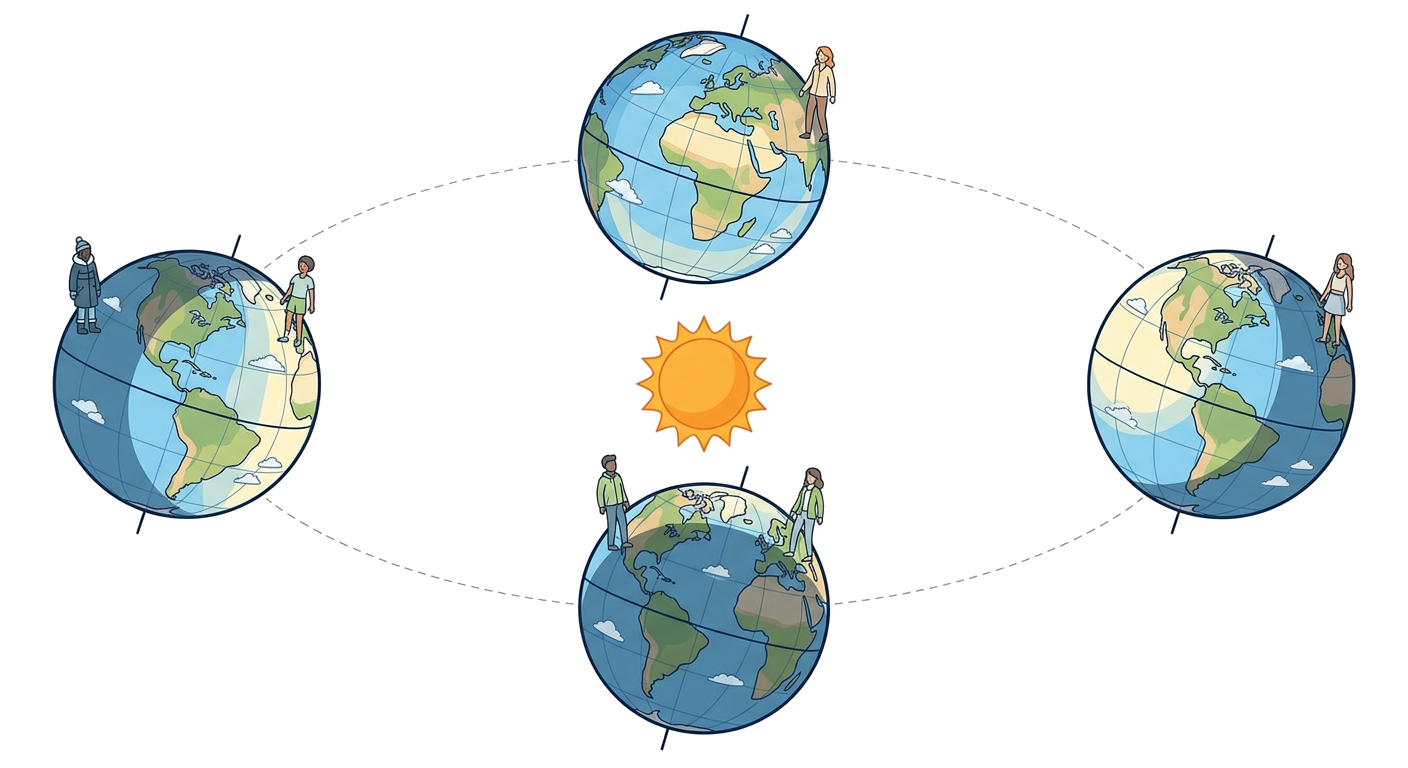
The Earth's tilt on its axis is responsible for the seasons, which directly impacts the amount of daylight hours we experience throughout the year. Daylight Saving Time attempts to adjust our daily schedules to better align with these natural changes.
Related Worksheets
Weather Fronts Worksheet
An 8th-grade science worksheet covering the different types of weather fronts, their characteristics, and associated weather patterns.
Natural Events Worksheet
Explore natural events like earthquakes, volcanoes, hurricanes, and tsunamis with this grade 8 science worksheet.
Weather Instruments Worksheet
Explore common weather instruments and their functions with this Grade 8 science worksheet.
The Rock Cycle Worksheet
Explore the fascinating processes of the rock cycle with this Grade 8 science worksheet. Understand the formation and transformation of igneous, sedimentary, and metamorphic rocks.
Ocean Layers Exploration
An 8th-grade science worksheet exploring the different layers of the ocean, their characteristics, and the organisms that inhabit them.
Exploring Earth's Biomes
This worksheet explores the major biomes of Earth, their characteristics, and the plants and animals that inhabit them.
Structure of the Earth
Explore the layers of the Earth, their composition, and their characteristics with this comprehensive Grade 8 science worksheet.
Global Warming Worksheet
Explore the causes, effects, and solutions related to global warming for 8th-grade science.