Analogous Structures Worksheet
Explore analogous structures in different organisms, understanding how similar functions can evolve from different evolutionary origins.
Includes
Standards
Topics
Analogous Structures: Form and Function
Name:
Date:
Score:
Read each question carefully and answer to the best of your ability. This worksheet focuses on analogous structures, which are structures in different species that have a similar function but evolved independently and do not share a common ancestor.
1. Which of the following best describes analogous structures?
Structures with similar evolutionary origin but different functions.
Structures with similar functions but different evolutionary origins.
Structures that are no longer used by an organism.
Structures found only in invertebrate animals.
2. The wings of a bird and the wings of an insect are considered analogous structures because:
They both have bones for support.
They share a common ancestor with wings.
They both enable flight but evolved independently.
They have the exact same internal structure.
3. Analogous structures are a result of evolution, where unrelated organisms evolve similar traits due to similar environmental pressures.
4. The streamlined body shapes of a dolphin and a shark are examples of structures.
5. Unlike homologous structures, analogous structures do not indicate a recent .
6. Analogous structures always have the same underlying bone structure.
True
False
7. The eyes of a human and the eyes of an octopus are considered analogous structures.
True
False
8. Provide an example of analogous structures not mentioned in this worksheet and explain why they are analogous.
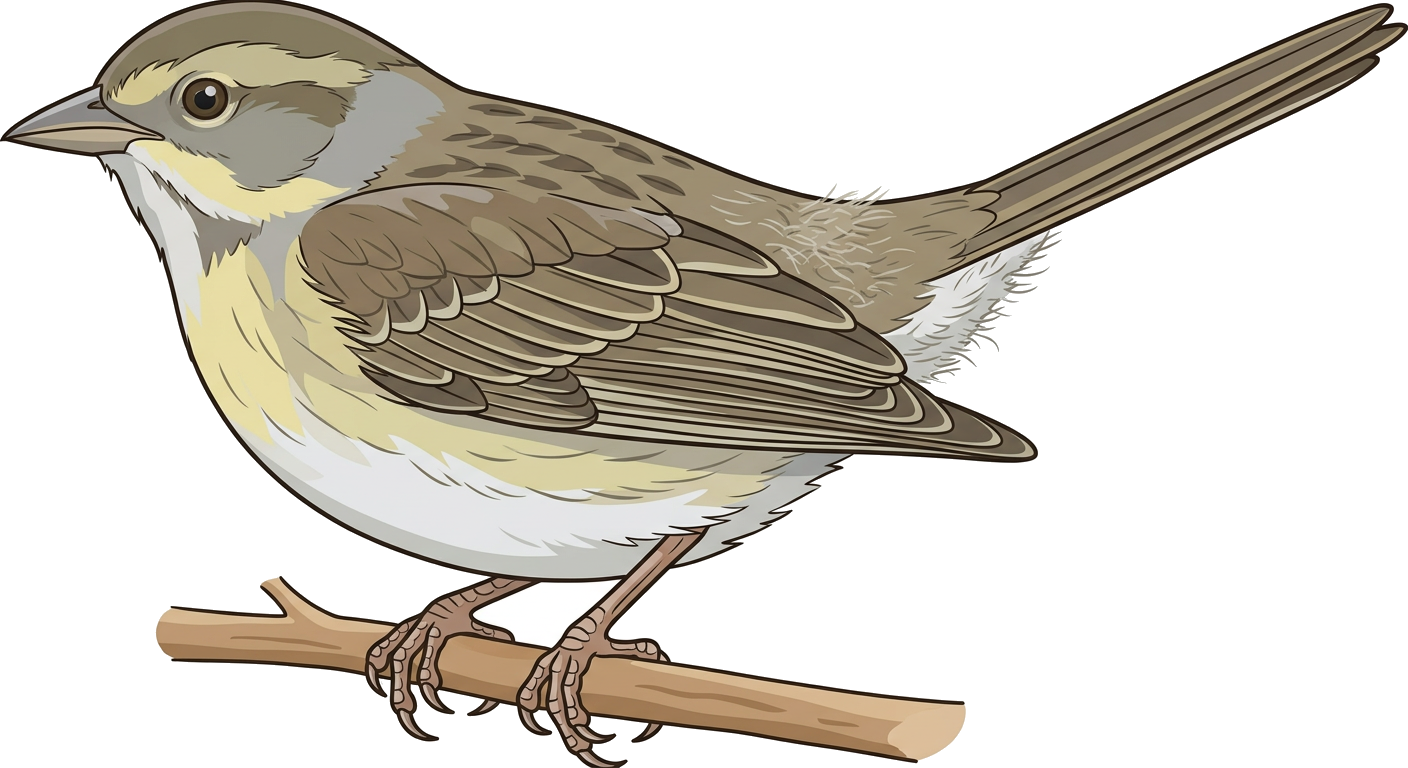
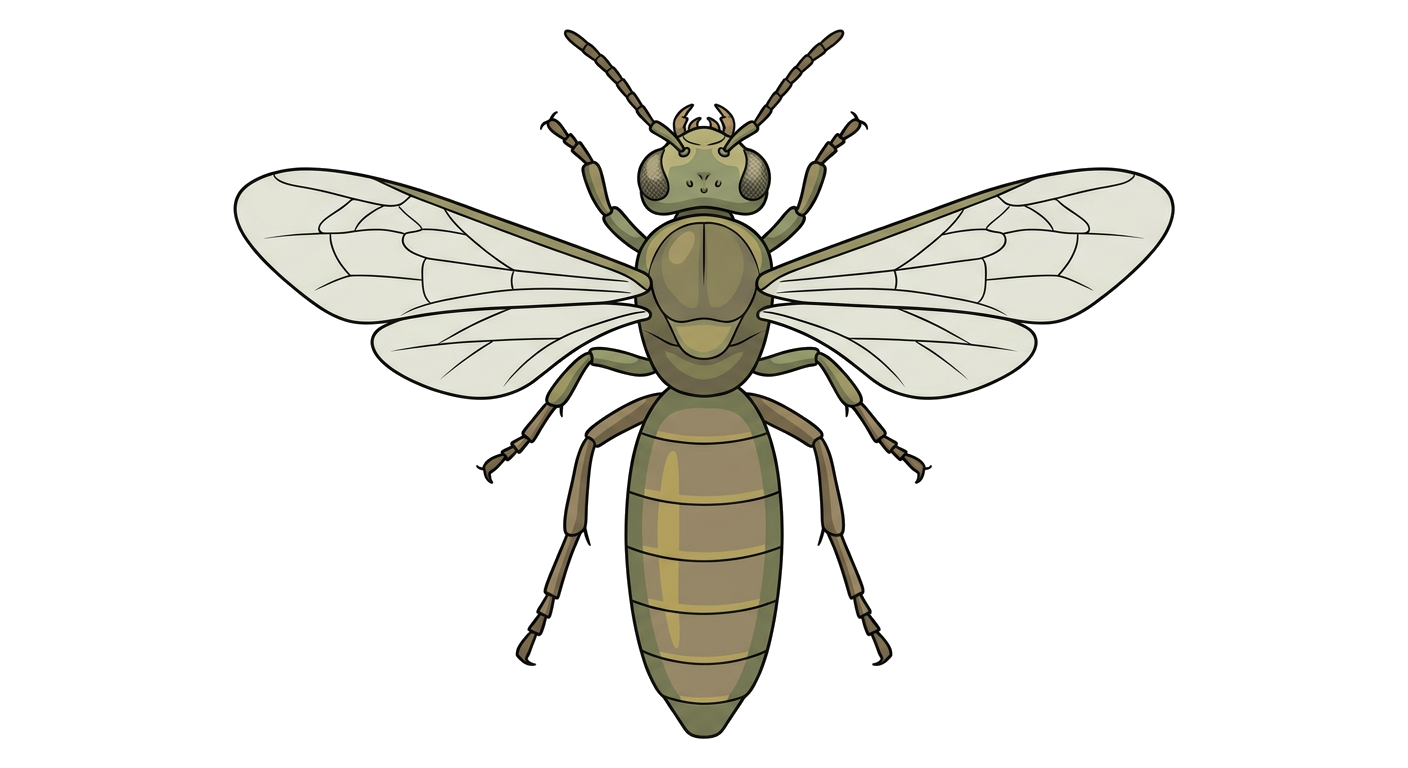
9. Observe the images of the bird wing and insect wing below. Both are used for flight. In what ways are they similar in function, and how do their structures differ, making them analogous?
Related Worksheets
The Human Reproductive System
Explore the structures and functions of the male and female reproductive systems, including key hormones and processes.
Grade 8 Fungi Worksheet
Explore the fascinating world of fungi with this Grade 8 science worksheet covering their characteristics, reproduction, and ecological roles.
Interactions in an Ecosystem
Explore the complex relationships and interactions within ecosystems, including food webs, energy flow, and symbiotic relationships, for Grade 8 Science.
Immune System Basics
An introductory worksheet on the human immune system for 8th-grade science students.
Grade 8 Science: The Human Eye
Explore the anatomy and function of the human eye, including its parts, how vision works, and common eye conditions.
Ecological Relationships Worksheet
Explore ecological relationships including predation, competition, mutualism, commensalism, and parasitism with this Grade 8 Science worksheet.
Grade 8 Taxonomy Worksheet
Explore the principles of biological classification with this Grade 8 Science worksheet on Taxonomy, covering hierarchical ranks, binomial nomenclature, and the characteristics of different kingdoms.
Energy Flow in Ecosystems
Explore the concepts of energy flow, food chains, food webs, and ecological pyramids in ecosystems.