Understanding Adverse Childhood Experiences (ACEs)
This worksheet helps 8th-grade students understand Adverse Childhood Experiences (ACEs), their impact on development, and strategies for resilience.
Includes
Standards
Topics
Understanding Adverse Childhood Experiences (ACEs)
Name:
Date:
Score:
Read each question carefully and answer to the best of your ability. This worksheet is designed to help you understand Adverse Childhood Experiences (ACEs) and their impact.
1. ACEs stands for .
2. ACEs refer to potentially traumatic events that occur in (age group).
3. The original ACE Study identified categories of adverse experiences.
1. Briefly explain how ACEs can impact a person's physical health later in life.
2. How might ACEs affect a person's ability to form healthy relationships?
1. Which part of the brain is primarily responsible for emotional regulation and decision-making, and can be affected by chronic stress from ACEs?
Cerebellum
Brainstem
Prefrontal Cortex
Occipital Lobe
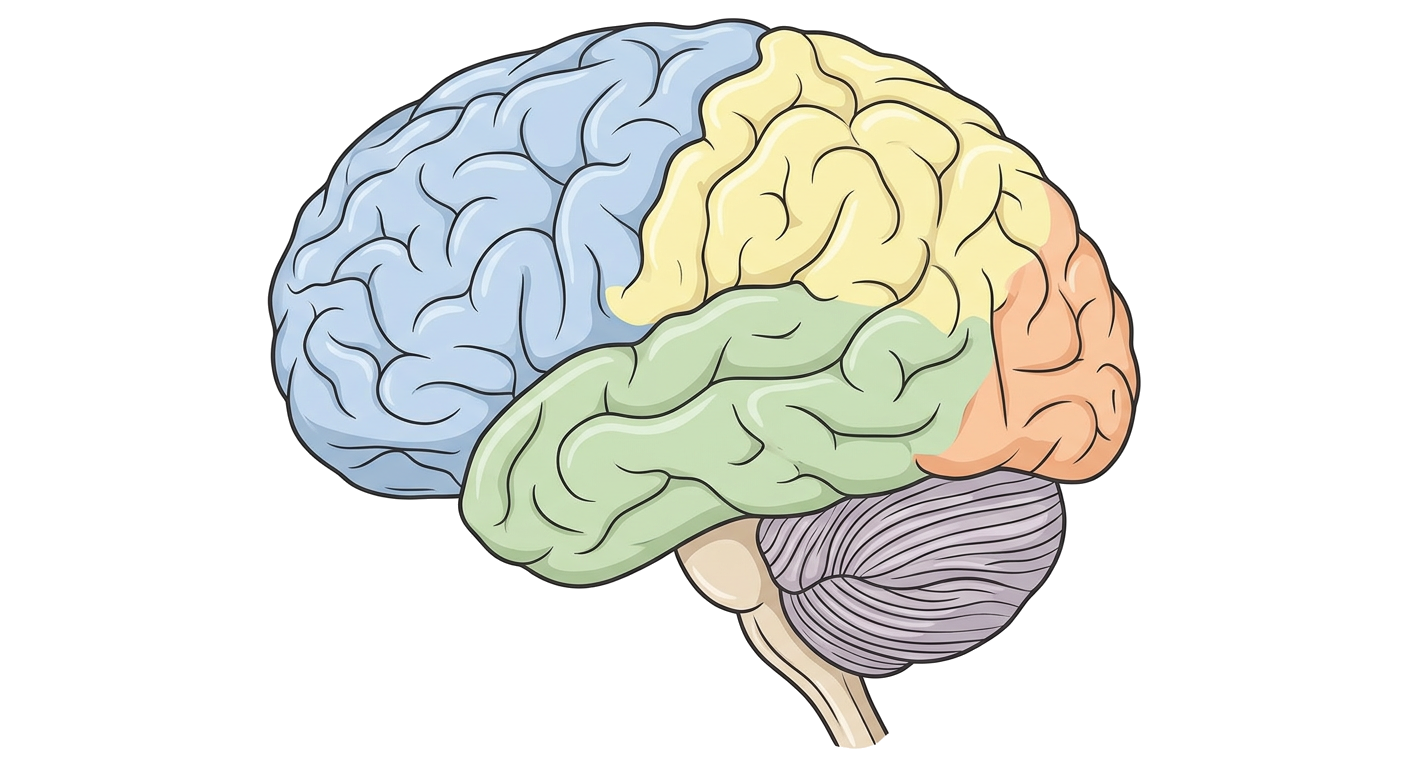
2. The image above shows a human brain. Chronic exposure to stress from ACEs can lead to changes in brain structure and function, particularly in areas related to stress response and emotional regulation. Name one specific area that might be affected.
1. Building resilience can help individuals overcome the negative impacts of ACEs.
True
False
2. Only professional therapists can help individuals cope with the effects of ACEs.
True
False
Use the words below to complete the sentences about protective factors against ACEs.
1. Having relationships with adults can help children cope with stress.
2. A and stable environment is crucial for healthy development.
3. Developing strong coping can help individuals navigate difficult experiences.
4. Positive role models and can provide guidance and encouragement.
1. What is one thing you learned today about ACEs that surprised you?
2. Why is it important for communities and schools to understand and address ACEs?
Related Worksheets
Grade 8 Career Exploration Worksheet
Explore career interests, skills, and educational pathways with this Grade 8 Social Studies worksheet on career planning.
Understanding Bullying
A Grade 8 social studies worksheet to help students understand different forms of bullying, its impacts, and strategies for prevention and response.
Grade 8 Job Exploration Worksheet
This worksheet helps 8th-grade students explore different career paths, understand the importance of skills, and plan for their future job exploration.
Understanding Healthy Relationships
This worksheet helps 8th-grade students understand the key components of healthy relationships, identify signs of unhealthy relationships, and practice communication skills.
Grade 8 Social Problem Solving Worksheet
This worksheet helps 8th-grade students develop and practice social problem-solving skills through various scenarios and question types.
Building Resilience: Grade 8 Social Studies
This worksheet helps 8th-grade students understand and develop resilience through various activities and questions.
Exploring Character Strengths
This worksheet helps 8th-grade students explore and understand various character strengths and their importance in personal development and social interactions.
Exploring Identity
A Grade 8 social studies worksheet exploring various aspects of personal and group identity.