Understanding Cognitive Distortions
This worksheet helps 8th-grade students identify and understand common cognitive distortions and their impact on thoughts and feelings.
Includes
Standards
Topics
Understanding Cognitive Distortions
Name:
Date:
Score:
Read each section carefully and answer the questions to the best of your ability. This worksheet will help you learn about cognitive distortions and how they affect your thoughts and feelings.
What are Cognitive Distortions?
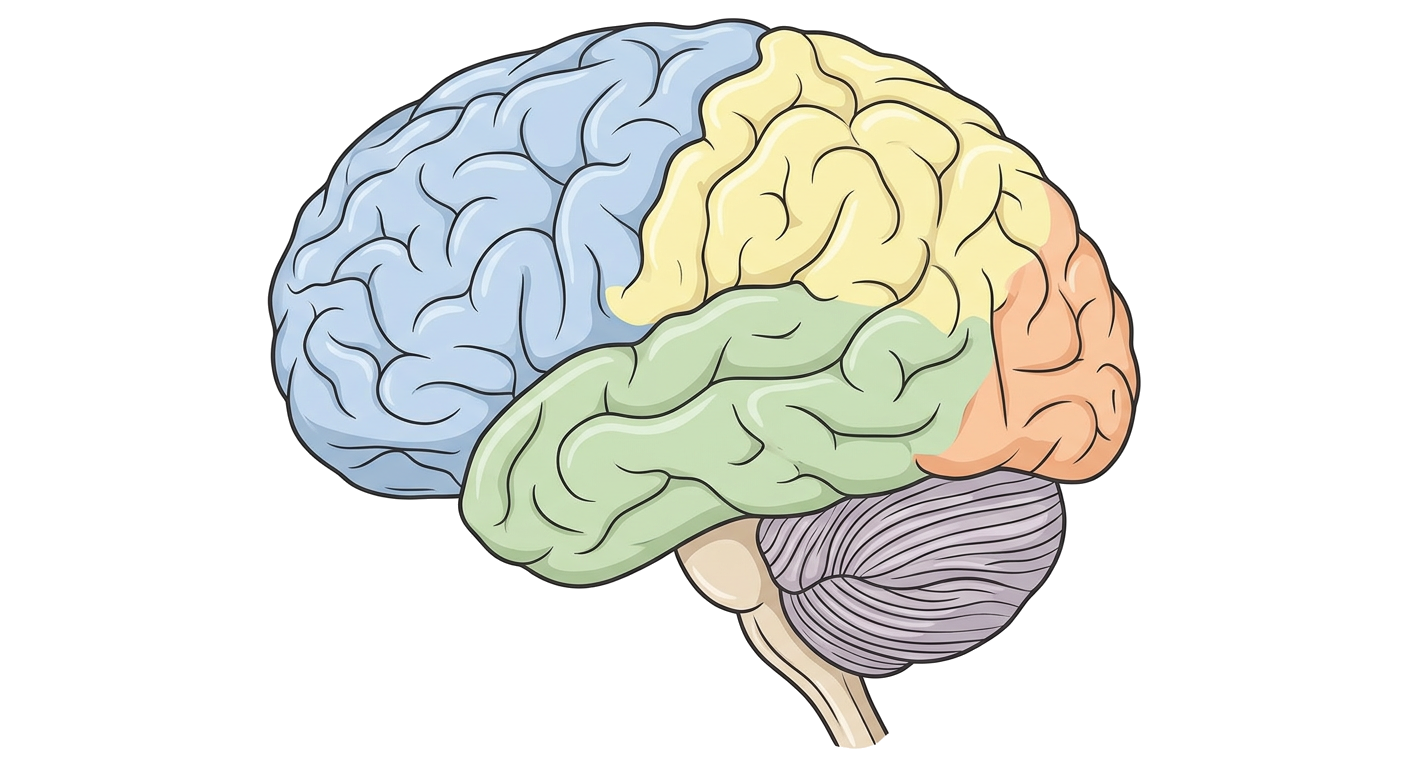
Cognitive distortions are irrational or biased ways of thinking that can lead to negative emotions and behaviors. They are like 'tricks' our minds play on us, making us see situations in a distorted, often negative, light. Understanding these distortions is the first step toward challenging them and developing healthier thought patterns.
Use the words below to complete the sentences that describe common cognitive distortions.
1. When you assume you know what others are thinking about you, often negatively, it's called .
2. Believing that if something isn't perfect, it's a total failure is an example of .
3. If you make a single negative event into a never-ending pattern of defeat, you are engaging in .
4. Thinking that a minor setback will lead to the worst possible outcome is known as .
5. Taking everything personally, even if it has nothing to do with you, is .
6. When you believe something is true simply because you 'feel' it to be true, you are using .
Read each scenario and choose the cognitive distortion it best represents.
7. After failing one math test, Sarah thinks, 'I'm terrible at math and I'm going to fail every single test this year.'
Mind Reading
Overgeneralization
Catastrophizing
Personalization
8. David's friend didn't say hello in the hallway, and David immediately thought, 'They must be mad at me. I must have done something wrong.'
Mind Reading
All-or-Nothing Thinking
Emotional Reasoning
Catastrophizing
9. Describe a time you might have experienced a cognitive distortion. Which distortion was it, and how did it make you feel?
10. What is one strategy you could use to challenge a negative thought that comes from a cognitive distortion?
Indicate whether each statement is True or False.
11. Cognitive distortions are always easy to recognize and correct.
True
False
12. Everyone experiences cognitive distortions from time to time.
True
False
Related Worksheets
Grade 8 Career Exploration Worksheet
Explore career interests, skills, and educational pathways with this Grade 8 Social Studies worksheet on career planning.
Understanding Bullying
A Grade 8 social studies worksheet to help students understand different forms of bullying, its impacts, and strategies for prevention and response.
Grade 8 Job Exploration Worksheet
This worksheet helps 8th-grade students explore different career paths, understand the importance of skills, and plan for their future job exploration.
Understanding Healthy Relationships
This worksheet helps 8th-grade students understand the key components of healthy relationships, identify signs of unhealthy relationships, and practice communication skills.
Grade 8 Social Problem Solving Worksheet
This worksheet helps 8th-grade students develop and practice social problem-solving skills through various scenarios and question types.
Building Resilience: Grade 8 Social Studies
This worksheet helps 8th-grade students understand and develop resilience through various activities and questions.
Exploring Character Strengths
This worksheet helps 8th-grade students explore and understand various character strengths and their importance in personal development and social interactions.
Exploring Identity
A Grade 8 social studies worksheet exploring various aspects of personal and group identity.