Understanding Dyslexia and Intervention
A Grade 9 ELA worksheet focusing on understanding dyslexia, its impact on reading, and various intervention strategies.
Includes
Standards
Topics
Understanding Dyslexia and Intervention
Name:
Date:
Score:
Read the passages and answer the questions that follow. Pay close attention to details about dyslexia and its intervention strategies.
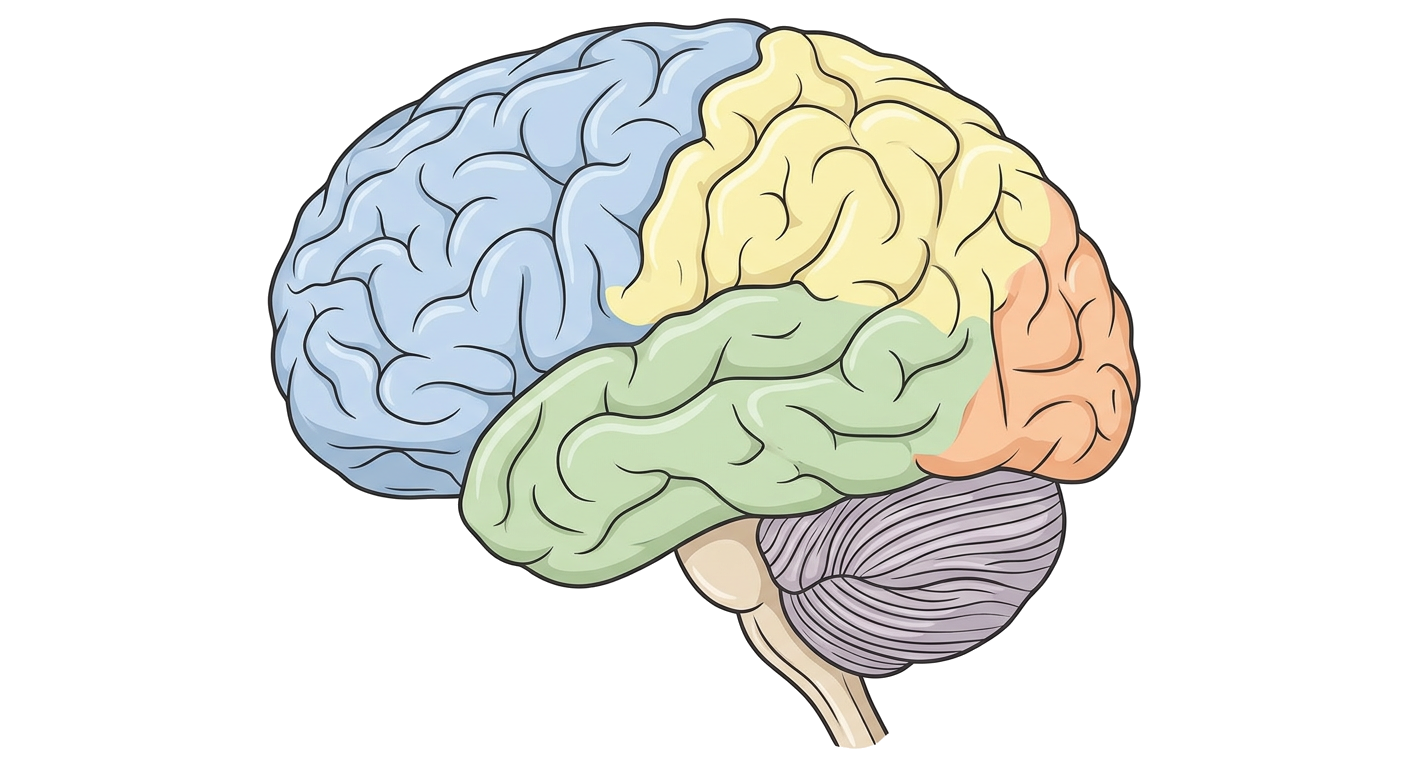
Dyslexia is a specific learning disability that is neurobiological in origin. It is characterized by difficulties with accurate and/or fluent word recognition and by poor spelling and decoding abilities. These difficulties typically result from a deficit in the phonological component of language that is often unexpected in relation to other cognitive abilities and the provision of effective classroom instruction. Secondary consequences may include problems in reading comprehension and reduced reading experience that can impede growth of vocabulary and background knowledge. Dyslexia is not a sign of low intelligence; in fact, many individuals with dyslexia have above-average intelligence. It is a lifelong condition, but with appropriate interventions, individuals can learn to read and succeed academically.
1. Which of the following is NOT a characteristic of dyslexia?
Difficulties with accurate word recognition
Poor spelling abilities
Low intelligence
Deficit in the phonological component of language
2. Dyslexia is a specific learning disability that is in origin.
3. Secondary consequences of dyslexia may include problems in reading .
Effective dyslexia intervention often involves a multisensory, structured approach to reading instruction. Programs such as Orton-Gillingham, Wilson Reading System, and Lindamood-Bell are examples of evidence-based interventions. These methods explicitly teach phonemic awareness, phonics, vocabulary, fluency, and comprehension. Multisensory teaching involves using visual, auditory, kinesthetic, and tactile pathways simultaneously to enhance memory and learning of written language. Early intervention is crucial for better outcomes, but it is never too late for individuals with dyslexia to benefit from appropriate support. Accommodations in the classroom, such as extended time on tests, audiobooks, and assistive technology, also play a vital role in helping students with dyslexia succeed.
4. Multisensory teaching primarily uses only one sensory pathway for learning.
True
False
5. Early intervention for dyslexia is less effective than intervention started later in life.
True
False
6. Name two evidence-based intervention programs mentioned in the passage for individuals with dyslexia.
7. Discuss the importance of a multisensory approach in dyslexia intervention. How does it help individuals with dyslexia learn and process written language?
Related Worksheets
Exploring Biography: Grade 9
This worksheet helps Grade 9 students understand the key elements, purpose, and impact of biographies through various question types.
Exploring Fiction: Grade 9
A worksheet to help 9th-grade students understand and analyze key elements of fiction.
Propaganda Analysis Worksheet
This worksheet helps grade 9 students identify and analyze common propaganda techniques used in various media.
Identifying Central Idea and Supporting Details
This worksheet helps grade 9 students identify the central idea and supporting details in informational texts, enhancing their reading comprehension skills.
Grade 9 ELA: Mastering Annotation
This worksheet helps 9th-grade students practice and understand effective annotation strategies for reading comprehension.
Understanding Plot Structure
A Grade 9 ELA worksheet focusing on identifying and analyzing the elements of plot structure in literary texts.