Addiction and the Brain
Explore the effects of addiction on the human brain, focusing on neurotransmitters, reward pathways, and the long-term changes associated with substance abuse.
Includes
Standards
Addiction and the Brain
Name:
Date:
Score:
Read each question carefully and answer to the best of your ability. Use complete sentences for short answer questions.
1. Which neurotransmitter is primarily associated with the brain's reward pathway and is heavily impacted by addictive substances?
Serotonin
Dopamine
GABA
Acetylcholine
2. The prefrontal cortex, responsible for decision-making and impulse control, is often impaired in individuals with addiction. Which part of the brain is this?
Frontal Lobe
Occipital Lobe
Temporal Lobe
Parietal Lobe
3. Addiction is characterized by a compulsive for a substance or behavior, despite harmful consequences.
4. The brain's pathway is activated by natural rewards like food and social interaction, but is hijacked by addictive drugs.
5. Explain how tolerance develops in the context of addiction.
6. Addiction is solely a lack of willpower and not a brain disease.
True
False
7. Long-term drug use can lead to structural and functional changes in the brain.
True
False
Match the brain region with its primary function related to addiction.
8. Nucleus Accumbens
a. Memory formation
9. Amygdala
b. Reward and pleasure
10. Hippocampus
c. Emotional responses and stress
11. Label the indicated parts of the brain related to addiction.
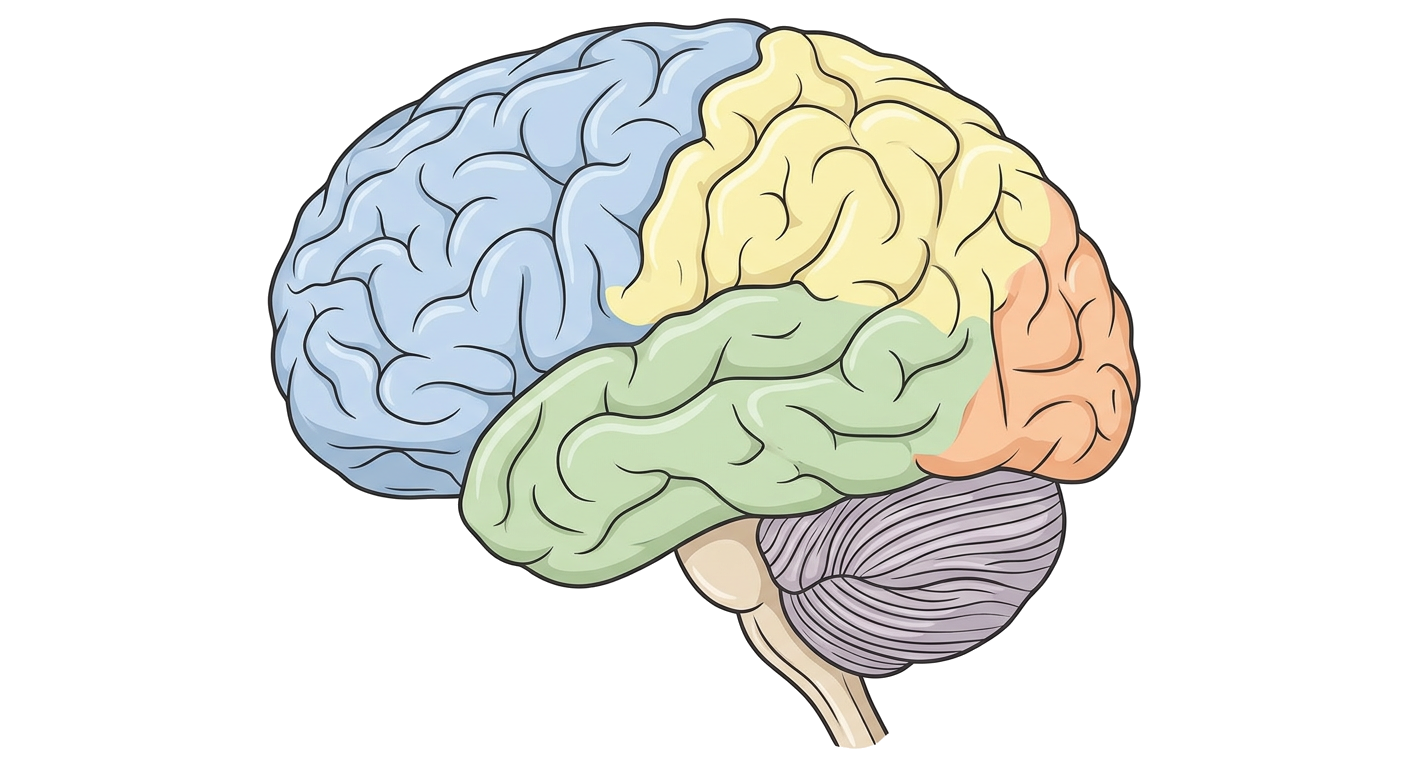
A:
B:
C:
D:
12. Discuss the long-term effects of chronic drug use on the brain's ability to experience pleasure from natural rewards. How does this contribute to the cycle of addiction?