Cell Transport Worksheet
Explore the mechanisms by which substances move across the cell membrane, including passive and active transport, osmosis, and diffusion.
Includes
Standards
Topics
Cell Transport Worksheet
Name:
Date:
Score:
Read each question carefully and answer to the best of your ability. Refer to your notes and textbook if needed.
1. Which of the following processes does NOT require energy to move substances across a cell membrane?
Active transport
Endocytosis
Facilitated diffusion
Exocytosis
2. The movement of water across a selectively permeable membrane from an area of high water concentration to an area of low water concentration is called:
Diffusion
Osmosis
Active transport
Facilitated diffusion
3. The primary component of the cell membrane that regulates the passage of substances is the .
4. When a cell is placed in a solution, water will move out of the cell, causing it to shrink.
5. A protein channel is required for diffusion, but no energy is expended by the cell.
6. Active transport moves substances from an area of low concentration to an area of high concentration.
True
False
7. The cell membrane is fully permeable to all substances.
True
False
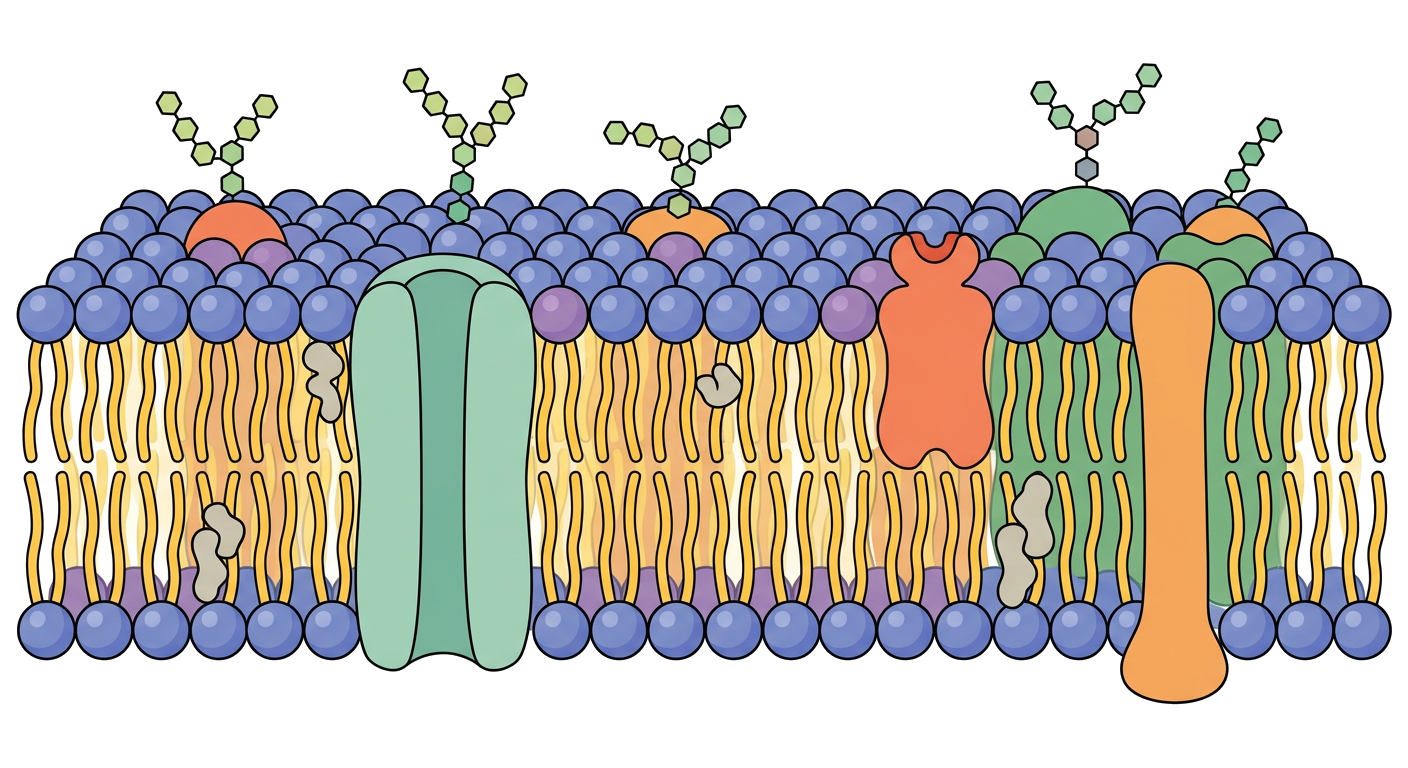
8. Describe the structure of the cell membrane and explain how its components contribute to its function in cell transport.
9. Compare and contrast diffusion and osmosis. Provide an example of each in a biological context.
Match the term on the left with its definition on the right.
10. Hypotonic solution
a. Movement of substances against their concentration gradient, requiring energy.
11. Active transport
b. Solution with a lower solute concentration than the cell's cytoplasm.
12. Endocytosis
c. Process by which a cell engulfs substances by forming a vesicle.