The Human Eye: Structure and Function
Explore the intricate parts of the human eye and understand their functions in vision.
Includes
Standards
Topics
The Human Eye: Structure and Function
Name:
Date:
Score:
Read each question carefully and provide the best answer. Refer to the diagram of the human eye as needed.
Observe the diagram of the human eye below and answer the questions that follow.
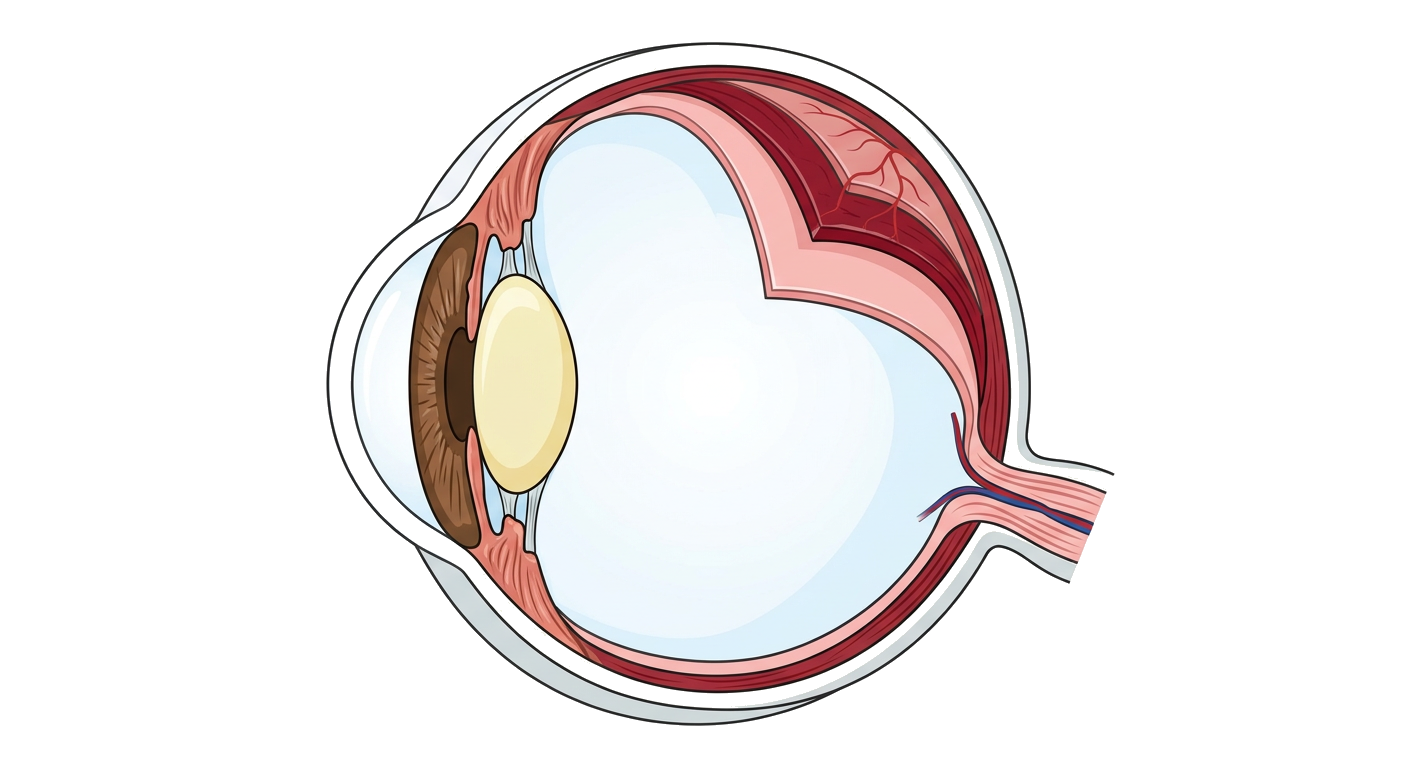
1. Label the following parts on the diagram above:
a. Cornea
b. Lens
c. Retina
d. Optic Nerve
e. Iris
f. Pupil
Match each part of the eye with its primary function.
2. Cornea
a. Contains photoreceptor cells
3. Iris
b. Transmits visual information to the brain
4. Lens
c. Transparent outer layer that focuses light
5. Retina
d. Controls the size of the pupil
6. Optic Nerve
e. Focuses light onto the retina
7. Which of the following parts of the eye is responsible for color vision?
Rods
Cones
Pupil
Sclera
8. What is the function of the aqueous humor?
To protect the eye from injury
To provide nutrients to the cornea and lens
To absorb excess light
To control the eye's movement
9. The opening in the center of the iris that allows light to enter the eye is called the .
10. The is a transparent, jelly-like substance that fills the space between the lens and the retina, helping to maintain the eye's shape.
11. Explain how the iris and pupil work together to regulate the amount of light entering the eye.
Related Worksheets
Chemistry of Life Worksheet
Explore the fundamental chemical building blocks of life with this Grade 9 science worksheet on the Chemistry of Life, covering macromolecules, enzymes, and nucleic acids.
Radioactivity and Wildlife Worksheet
Explore the effects of radioactivity on wildlife and ecosystems with this Grade 9 science worksheet, covering radiation types, exposure, and environmental impact.
Blood Glucose Regulation Worksheet
A Grade 9 Science worksheet focusing on the mechanisms of blood glucose regulation, including the roles of insulin and glucagon, and the organs involved.
Biological Molecules Worksheet
Explore the four major classes of biological molecules: carbohydrates, lipids, proteins, and nucleic acids, and their roles in living organisms.
Enzyme Activity Worksheet
Explore the factors affecting enzyme activity, including temperature, pH, and substrate concentration, with this Grade 9 science worksheet.
Human Skull Anatomy Worksheet
A Grade 9 science worksheet on the anatomy and functions of the human skull, covering its bones, protective role, and key features.
Glucose Regulation Worksheet
A Grade 9 Science worksheet focusing on the biological processes of glucose regulation, including the roles of insulin, glucagon, and the pancreas.
Fermentation Fundamentals
Explore the basic principles of fermentation, including its types, processes, and applications in this Grade 9 science worksheet.