Radioactivity and Wildlife Worksheet
Explore the effects of radioactivity on wildlife and ecosystems with this Grade 9 science worksheet, covering radiation types, exposure, and environmental impact.
Includes
Standards
Topics
Radioactivity and Wildlife
Name:
Date:
Score:
Read each question carefully and answer to the best of your ability. This worksheet assesses your understanding of radioactivity and its impact on wildlife.
1. Which type of radiation is stopped by a sheet of paper?
Alpha particles
Beta particles
Gamma rays
X-rays
2. What is a common way that radioactive materials can enter the food chain?
Direct absorption through skin
Inhalation of radioactive gases
Contaminated soil and water ingested by plants/animals
Exposure to sunlight
3. The process by which unstable atomic nuclei lose energy by emitting radiation is called .
4. Long-term exposure to low levels of radiation can lead to genetic mutations and in wildlife.
5. The Chernobyl disaster is an example of how a nuclear accident can have devastating effects on populations.
6. All forms of radiation are equally harmful to living organisms.
True
False
7. Bioaccumulation refers to the decrease in concentration of a substance as it moves up the food chain.
True
False
8. Briefly explain the concept of a 'half-life' in relation to radioactive isotopes.
9. Describe two ways in which human activities, other than nuclear accidents, can introduce radioactive materials into the environment.
Match the term on the left with its definition on the right.
10. Ionizing radiation
a. The process where radioactive substances accumulate in living organisms.
11. Bioaccumulation
b. Radiation with enough energy to remove electrons from atoms.
12. Radioactive decay
c. The spontaneous transformation of an unstable atomic nucleus into a more stable one.
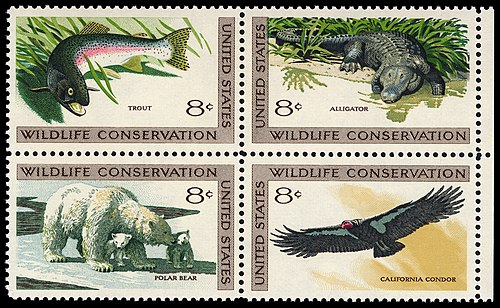
The image below shows various wildlife. Consider how radioactivity could impact such an ecosystem.
13. Discuss the potential long-term ecological consequences of a significant release of radioactive material into a natural habitat, considering the food web and biodiversity.