Heat Transfer and Thermal Equilibrium Worksheet
Explore the principles of heat transfer (conduction, convection, radiation) and thermal equilibrium with this comprehensive Grade 9 science worksheet.
Includes
Standards
Topics
Heat Transfer and Thermal Equilibrium
Name:
Date:
Score:
Read each question carefully and provide your best answer. Show all work for calculations.
1. Which method of heat transfer involves the movement of fluids (liquids or gases)?
Conduction
Convection
Radiation
Insulation
2. Thermal equilibrium is reached when:
Objects have different temperatures
There is no net heat transfer between objects
One object is much hotter than another
Heat is continuously being added to the system
3. Heat transfer by occurs when heat is transferred through direct contact between particles.
4. The transfer of energy by electromagnetic waves is known as .
5. A good thermal prevents heat from easily transferring.
6. Heat always flows from a colder object to a warmer object.
True
False
7. The sun's energy reaches Earth primarily through convection.
True
False
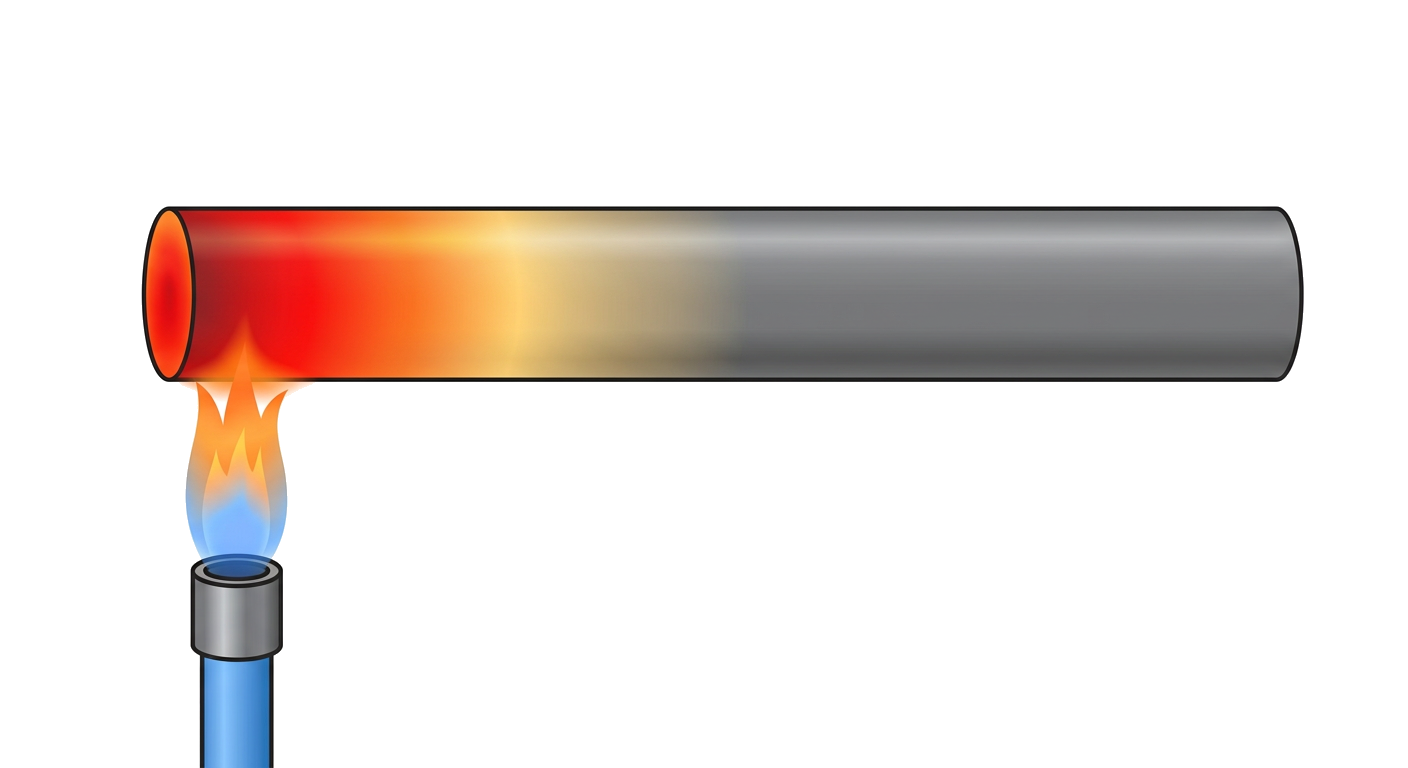
8. Describe the process of conduction and provide an example.
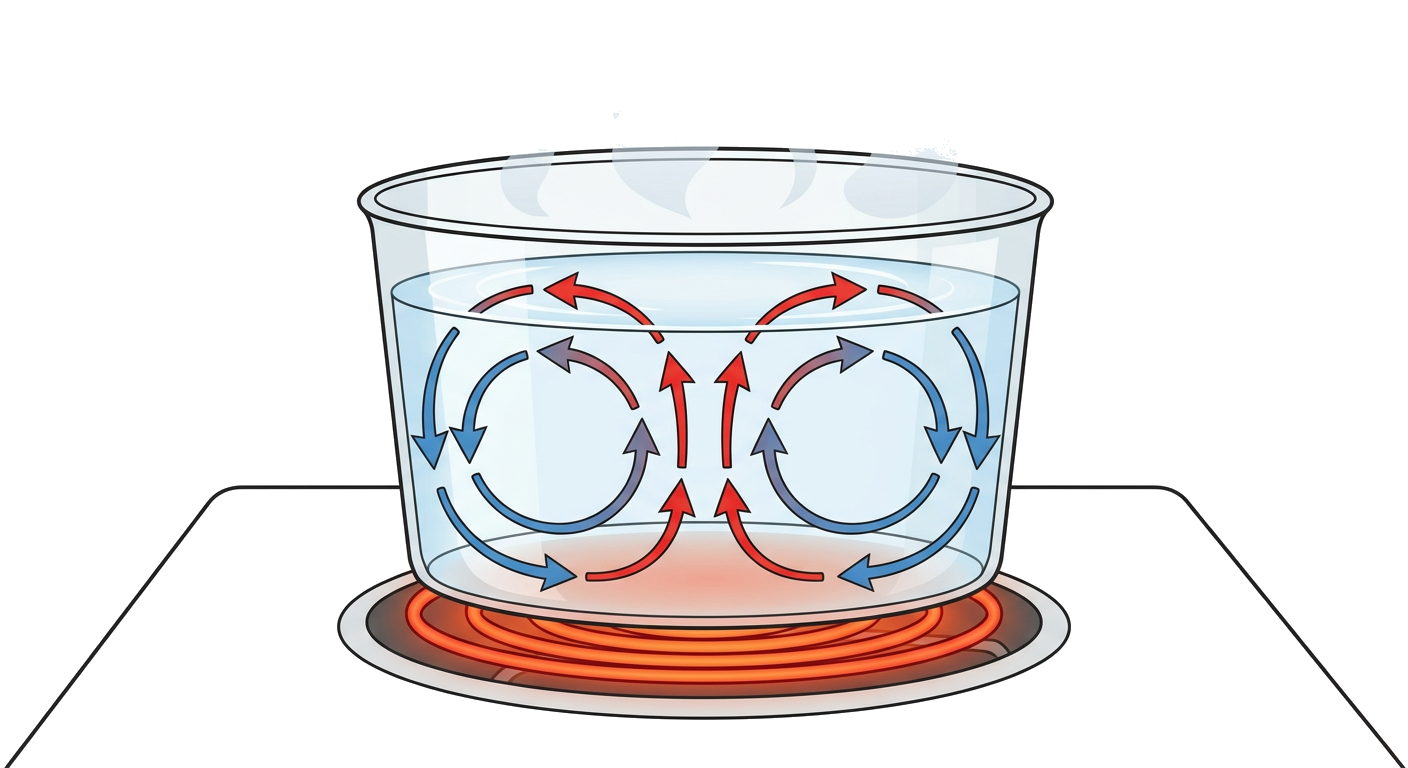
9. Explain how convection currents are formed in a pot of boiling water.
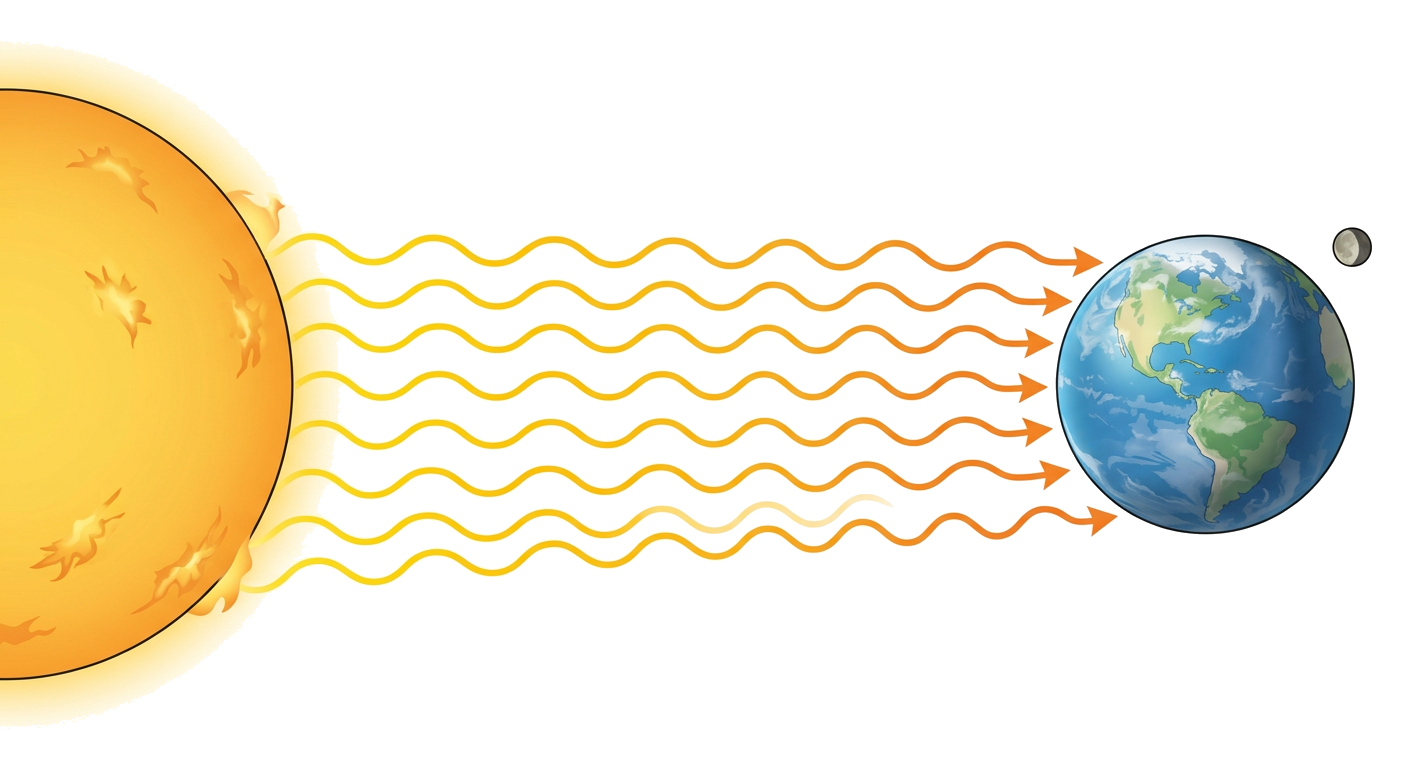
10. How does radiation transfer heat from the sun to the Earth?
Match the term on the left with its definition on the right.
A. Conductor
1. Material that transfers heat easily
B. Insulator
2. Material that resists heat transfer
C. Thermal Equilibrium
3. State where objects have the same temperature
11. Imagine you have a hot cup of coffee and you place a metal spoon in it. Describe the heat transfer that occurs from the coffee to the spoon and eventually to your hand if you touch the spoon. Include all three modes of heat transfer in your explanation.
Related Worksheets
Hydrocarbons Worksheet
A Grade 9 science worksheet covering the basics of hydrocarbons, including their definition, types, and properties.
Grade 9 Chemistry: Word Equations Worksheet
This worksheet focuses on writing and interpreting word equations for chemical reactions, covering reactants, products, and states of matter for Grade 9 Science students.