Quantum Numbers Worksheet
Explore the fundamental concepts of quantum numbers (principal, azimuthal, magnetic, and spin) and their role in describing atomic orbitals and electron configurations.
Includes
Standards
Topics
Quantum Numbers Worksheet
Name:
Date:
Score:
Read each question carefully and answer to the best of your ability. Show all your work for calculations.
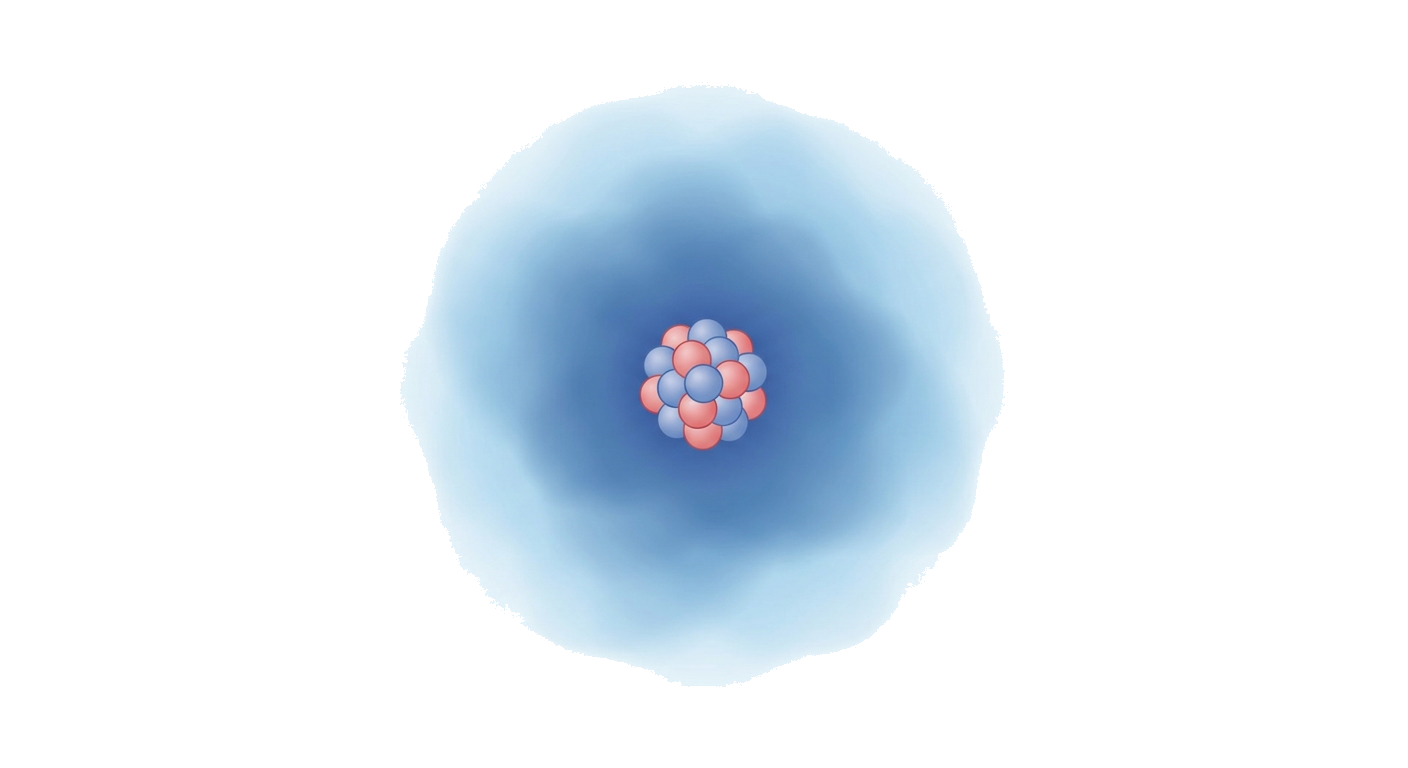
Quantum numbers are a set of values that describe the unique quantum state of an electron in an atom. They help us understand the probable location and energy of an electron.
1. The quantum number (n) describes the electron's principal energy level.
2. The azimuthal or quantum number (l) determines the shape of an orbital.
3. The magnetic quantum number (m_l) describes the of an orbital in space.
4. The spin quantum number (m_s) indicates the intrinsic angular momentum of an electron, which can be either +1/2 or .
5. What is the maximum number of electrons that can occupy a single atomic orbital?
1
2
6
8
6. Which of the following values for the azimuthal quantum number (l) corresponds to a p orbital?
0
1
2
3
7. The principal quantum number (n) can have any positive integer value (1, 2, 3, ...).
True
False
8. For a given principal quantum number (n), the possible values of the azimuthal quantum number (l) range from 0 to n.
True
False
9. List the four quantum numbers and briefly describe what each one represents.
Match each quantum number to its corresponding description.
10. Principal quantum number (n)
a. Electron spin direction
11. Azimuthal quantum number (l)
b. Energy level and size of orbital
12. Magnetic quantum number (m_l)
c. Shape of orbital
13. Spin quantum number (m_s)
d. Orientation of orbital in space
Related Worksheets
Hydrocarbons Worksheet
A Grade 9 science worksheet covering the basics of hydrocarbons, including their definition, types, and properties.
Grade 9 Chemistry: Word Equations Worksheet
This worksheet focuses on writing and interpreting word equations for chemical reactions, covering reactants, products, and states of matter for Grade 9 Science students.