Eyewitness Testimony in the Justice System
Explore the complexities of eyewitness testimony, its reliability, and its impact on the justice system for Grade 9 students.
Includes
Standards
Topics
Eyewitness Testimony in the Justice System
Name:
Date:
Score:
Read each question carefully and answer to the best of your ability. Some questions may require critical thinking and analysis.
1. Which of the following factors is most likely to affect the accuracy of eyewitness testimony?
The witness's favorite color
The distance from which an event was observed
The witness's shoe size
The witness's preferred music genre
2. The phenomenon where misleading information after an event can alter a witness's memory is known as:
Flashbulb memory
Source monitoring error
Misinformation effect
Retroactive interference
3. Eyewitness testimony is always highly reliable and should be trusted without question in court.
True
False
4. Stress and fear during a crime can improve a witness's ability to recall details accurately.
True
False
5. The phenomenon of occurs when a witness identifies a person from a lineup or photo array who was not the perpetrator.
6. Factors such as weapon focus, cross-racial identification, and the presence of leading questions can all contribute to the of eyewitness testimony.
7. Briefly explain why eyewitness testimony, despite its importance, can be unreliable.
8. Describe one method that legal professionals or law enforcement can use to improve the accuracy of eyewitness identification.
Read the scenario below and answer the question that follows.
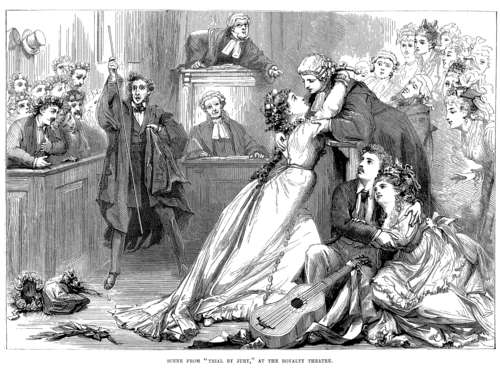
Scenario: A witness to a robbery is interviewed by police immediately after the event. The officer, trying to be helpful, asks, "Did you see the tall man with the scar on his face take the money?" The witness, who was initially unsure about the robber's features, then recalls seeing a scar.
9. How might the police officer's question influence the eyewitness's testimony, and what is this phenomenon called?