Understanding Adverse Childhood Experiences (ACEs)
This worksheet introduces Grade 9 students to Adverse Childhood Experiences (ACEs), their impact on development, and strategies for resilience.
Includes
Standards
Topics
Understanding Adverse Childhood Experiences (ACEs)
Name:
Date:
Score:
Read each question carefully and provide thoughtful answers. This worksheet explores the concept of Adverse Childhood Experiences (ACEs), their potential impact on individuals, and the importance of building resilience.
What are ACEs?
Adverse Childhood Experiences (ACEs) are potentially traumatic events that occur in childhood (0-17 years). These experiences can include violence, abuse, and growing up in a family with mental health or substance use problems. Research has shown a strong link between ACEs and a wide range of health and social problems throughout a person's life.
1. Which of the following is considered an Adverse Childhood Experience (ACE)?
Having supportive parents
Experiencing emotional abuse
Attending a good school
Participating in extracurricular activities
2. The impact of ACEs can extend into adulthood, affecting an individual's:
Physical health
Mental health
Social relationships
All of the above
3. The more ACEs a person experiences, the higher their risk of developing certain problems and chronic diseases later in life.
4. Building factors, such as strong relationships and coping skills, can help mitigate the negative effects of ACEs.
5. All individuals who experience ACEs will develop severe health problems.
True
False
6. Support from caring adults and community resources can help children overcome the challenges associated with ACEs.
True
False
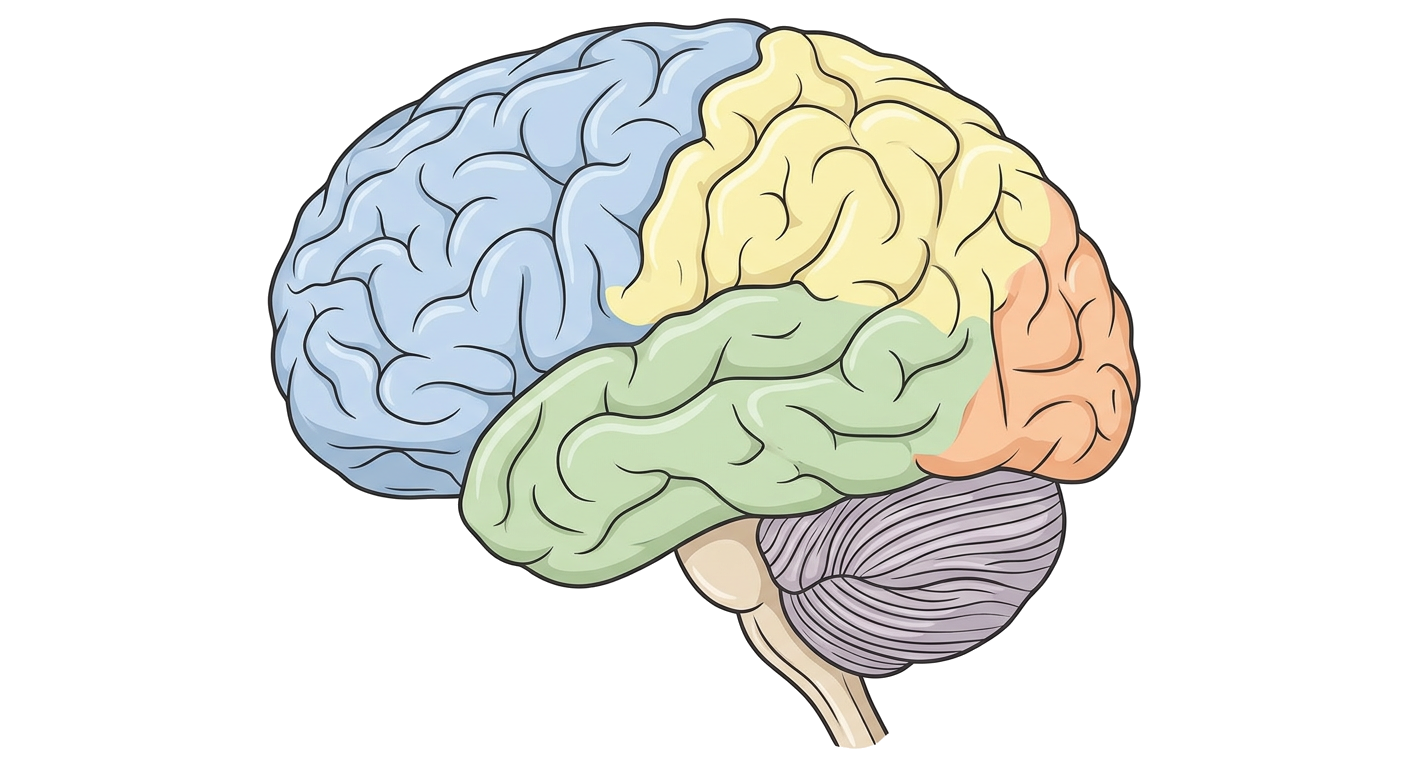
7. Briefly explain how ACEs can impact brain development in children.
8. Identify two strategies that communities or schools can implement to help prevent ACEs or mitigate their effects.
Use the words below to complete the sentences.
9. Prolonged exposure to ACEs can lead to a state of that can harm a child's developing brain and body.
10. Promoting in children, such as self-regulation and problem-solving skills, is crucial for overcoming adversity.