Qualitative vs. Quantitative Observations
Explore the differences between qualitative and quantitative observations in scientific inquiry with this Grade 10 science worksheet.
Includes
Standards
Qualitative vs. Quantitative Observations
Name:
Date:
Score:
Read each question carefully and provide your answers in the spaces provided. This worksheet will assess your understanding of qualitative and quantitative observations.
1. Which of the following is an example of a qualitative observation?
The mass of the rock is 250 grams.
The temperature of the water is 20°C.
The solution turned blue.
The plant grew 5 cm in a week.
2. Which type of observation involves numerical data?
Qualitative
Quantitative
Both A and B
Neither A nor B
1. Qualitative observations are always objective.
True
False
2. Quantitative observations often involve measurements.
True
False
1. An observation that describes qualities or characteristics is called a observation.
2. An observation that provides numerical data is known as a observation.
3. The color, texture, and smell of a substance are examples of observations.
1. Observe the image of the microscope below. List two qualitative and two quantitative observations you can make about it.
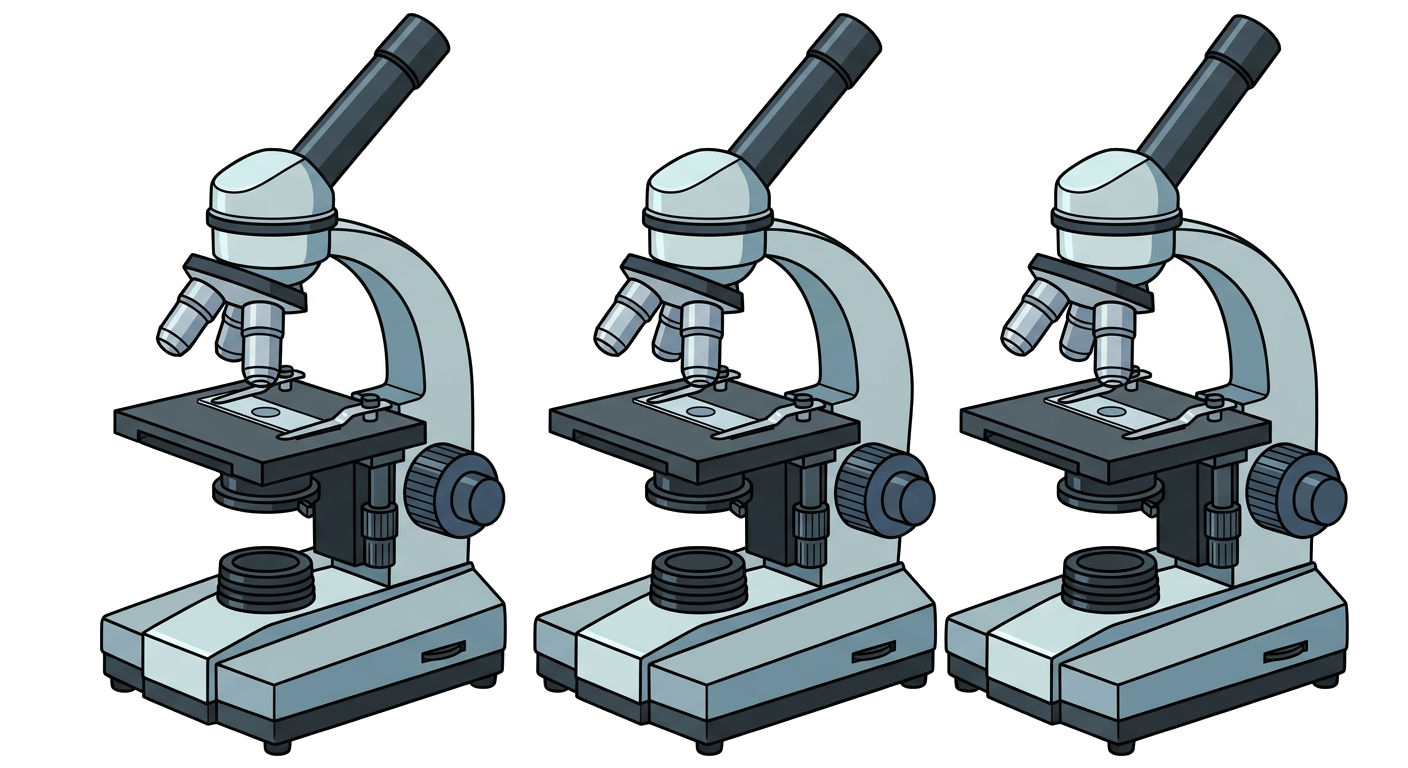
Qualitative Observations:
Quantitative Observations:
2. Explain why both qualitative and quantitative observations are important in scientific investigations.
Related Worksheets
Understanding the Scientific Hypothesis
This worksheet focuses on understanding, formulating, and evaluating scientific hypotheses for Grade 10 science students.
Engineering Design Process Worksheet
This worksheet covers the key stages and principles of the engineering design process, suitable for Grade 10 science students.
Hypothesis, Theory, and Law in Science
Explore the fundamental concepts of hypothesis, theory, and law in scientific inquiry with this comprehensive worksheet for Grade 10 science students.
Observation and Inference in Science
Explore the fundamental scientific practices of observation and inference with this Grade 10 science worksheet. Develop critical thinking skills by distinguishing between what is directly observed and what can be logically inferred from evidence.
Experimental Design Worksheet
A Grade 10 science worksheet focusing on the principles and components of experimental design, including variables, controls, and hypothesis formation.