Scientific Observation Skills
This worksheet assesses understanding of scientific observation principles and methods, including qualitative and quantitative observations, inferences, and the use of tools.
Includes
Standards
Scientific Observation Skills
Name:
Date:
Score:
Read each question carefully and provide your best answer based on your understanding of scientific observation.
1. Which of the following is an example of a qualitative observation?
The plant grew 5 cm in a week.
The solution turned blue.
The temperature increased by 10°C.
The beaker contains 50 mL of water.
2. An inference is:
A direct observation using the five senses.
A conclusion based on evidence and reasoning.
A prediction about future events.
A statement that can be proven false.
3. A(n) observation involves numerical data, while a(n) observation describes qualities or characteristics.
4. Scientists use various like microscopes, rulers, and thermometers to make more precise observations.
5. Observe the image below. List two qualitative observations and two quantitative observations you can make about the object shown.
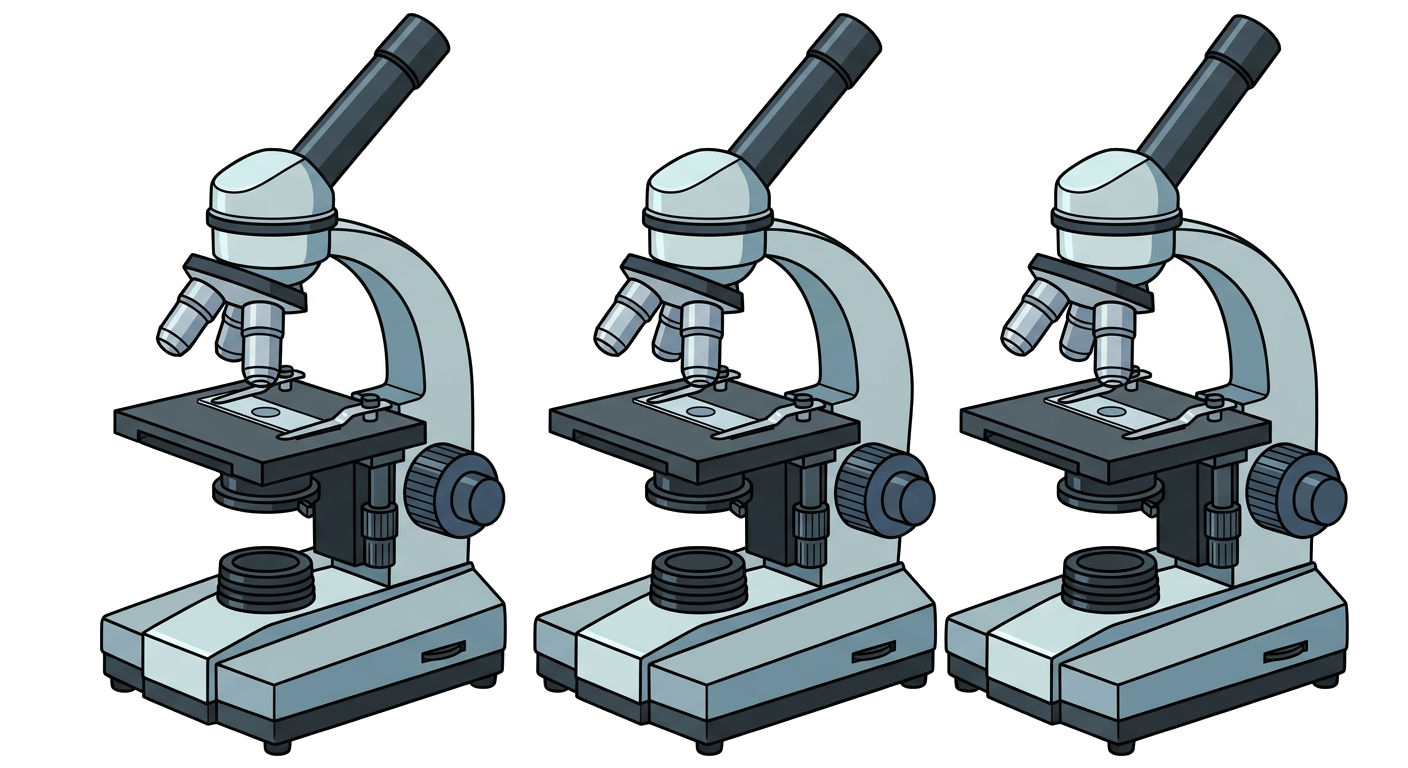
Qualitative Observations:
Quantitative Observations:
6. Explain the difference between an observation and an inference, providing an example for each.
7. All scientific observations must be quantitative to be valid.
True
False
8. Bias can influence scientific observations, making them less objective.
True
False
Related Worksheets
Understanding the Scientific Hypothesis
This worksheet focuses on understanding, formulating, and evaluating scientific hypotheses for Grade 10 science students.
Engineering Design Process Worksheet
This worksheet covers the key stages and principles of the engineering design process, suitable for Grade 10 science students.
Hypothesis, Theory, and Law in Science
Explore the fundamental concepts of hypothesis, theory, and law in scientific inquiry with this comprehensive worksheet for Grade 10 science students.
Observation and Inference in Science
Explore the fundamental scientific practices of observation and inference with this Grade 10 science worksheet. Develop critical thinking skills by distinguishing between what is directly observed and what can be logically inferred from evidence.
Experimental Design Worksheet
A Grade 10 science worksheet focusing on the principles and components of experimental design, including variables, controls, and hypothesis formation.