Addiction and the Brain
An 11th-grade science worksheet exploring the neurological basis of addiction, including neurotransmitters, brain regions, and the reward pathway.
Includes
Standards
Topics
Addiction and the Brain
Name:
Date:
Score:
Read each question carefully and answer to the best of your ability. Refer to your knowledge of brain anatomy, neurotransmitters, and the reward pathway.
1. Which neurotransmitter is primarily associated with the brain's reward pathway and plays a key role in addiction?
Serotonin
Dopamine
Acetylcholine
GABA
2. Which brain region is most heavily involved in decision-making, impulse control, and planning, and is often impaired in individuals with addiction?
Hippocampus
Cerebellum
Prefrontal Cortex
Amygdala
3. The repeated use of addictive substances or behaviors leads to neuroplastic changes in the brain, particularly in the system.
4. Tolerance occurs when the brain adapts to the presence of a drug, requiring larger doses to achieve the initial effect.
5. Briefly explain the concept of the 'reward pathway' in the brain and its relevance to the development of addiction.
6. Addiction is solely a lack of willpower and has no biological basis in the brain.
True
False
7. Chronic drug use can lead to a decrease in dopamine receptors, making it harder to experience pleasure from natural rewards.
True
False
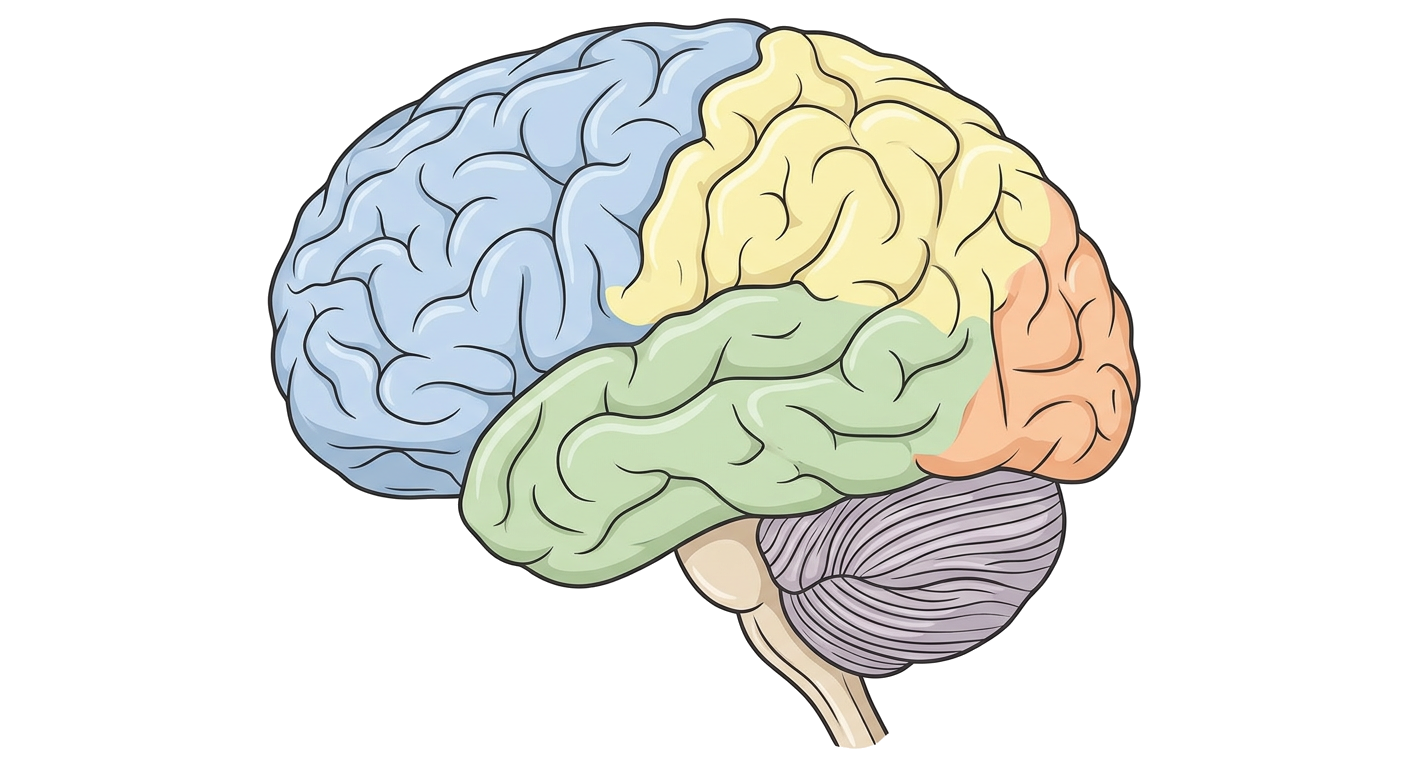
8. Observe the diagram of the human brain below. Identify and label two key regions involved in the addiction pathway. Explain the role of each region you identify.
Match each term with its correct definition.
9. Nucleus Accumbens
a. Brain's primary inhibitory neurotransmitter
10. Ventral Tegmental Area
b. Region where dopamine neurons originate
11. GABA
c. Part of the reward pathway involved in motivation and pleasure
Related Worksheets
The Cell Membrane: Structure and Function
An 11th-grade science worksheet focusing on the structure, components, and functions of the cell membrane, including transport mechanisms.
Human Skull Anatomy Worksheet
Explore the complex anatomy and functions of the human skull with this Grade 11 science worksheet.