Enzymes: Biological Catalysts
This worksheet covers the structure, function, and factors affecting enzyme activity for Grade 11 Biology students.
Includes
Standards
Topics
Enzymes: Biological Catalysts
Name:
Date:
Score:
Read each question carefully and answer to the best of your ability. For multiple-choice questions, circle the correct option. For fill-in-the-blanks, complete the sentences with the appropriate terms.
1. Which of the following best describes the function of an enzyme?
To provide energy for cellular reactions.
To slow down the rate of biochemical reactions.
To act as biological catalysts, speeding up reactions.
To transport molecules across cell membranes.
2. The 'lock and key' model of enzyme action suggests that:
Enzymes can bind to any substrate.
The active site changes shape to fit the substrate.
Each enzyme has a specific active site that fits only one type of substrate.
Substrates are permanently altered after binding to an enzyme.
3. Enzymes are typically made of and their activity is highly dependent on temperature and .
4. The region on an enzyme where the substrate binds is called the .
5. When an enzyme loses its specific three-dimensional shape due to extreme conditions, it is said to be .
6. Enzymes are consumed during the reactions they catalyze.
True
False
7. The induced-fit model suggests that an enzyme's active site is rigid and unchanging.
True
False
8. Explain how temperature affects enzyme activity. What happens at very low and very high temperatures?
9. Describe the role of pH in enzyme function. What is the optimal pH, and what happens if the pH deviates significantly from this optimum?
10. Analyze the diagram below, which illustrates a common model of enzyme action. Identify the components labeled A, B, and C.
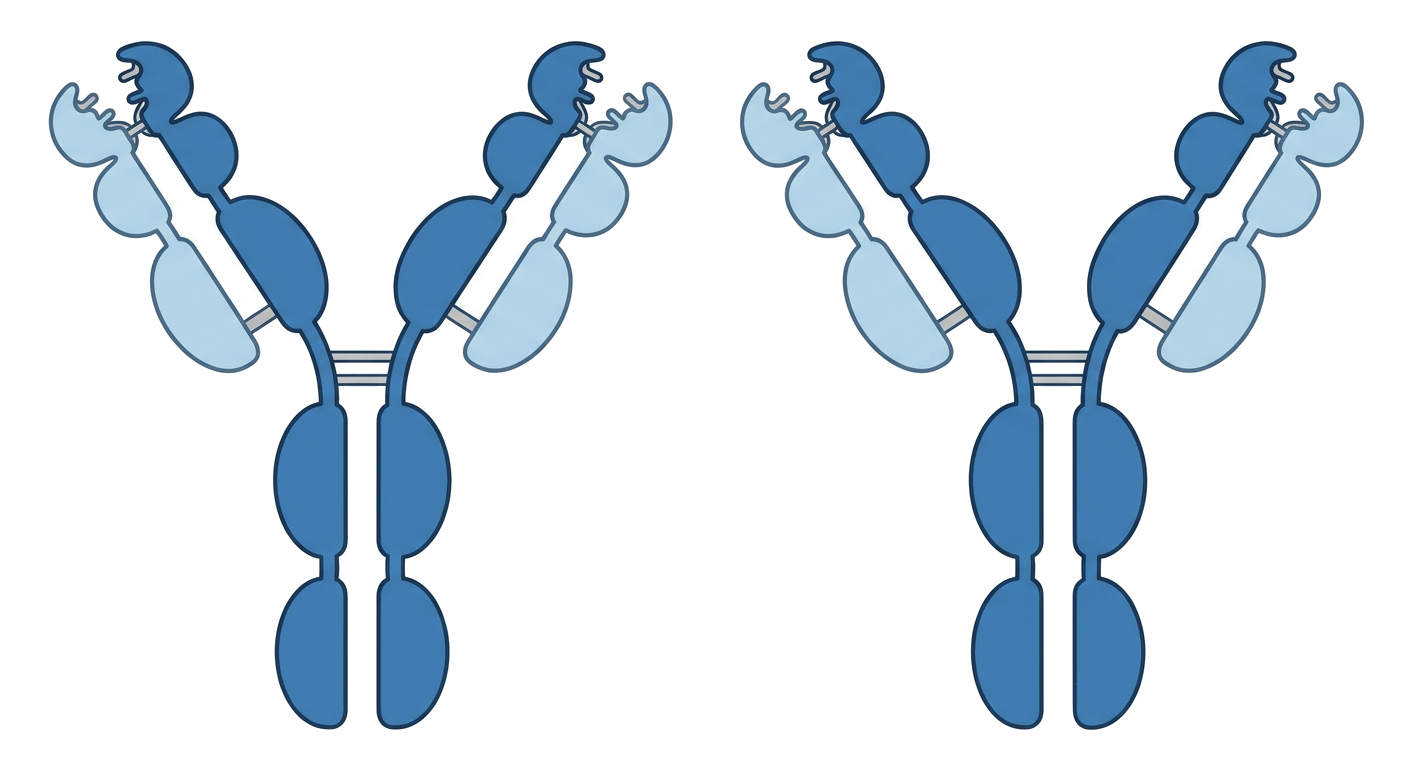
A:
B:
C:
Related Worksheets
The Cell Membrane: Structure and Function
An 11th-grade science worksheet focusing on the structure, components, and functions of the cell membrane, including transport mechanisms.
Human Skull Anatomy Worksheet
Explore the complex anatomy and functions of the human skull with this Grade 11 science worksheet.