Osmosis and Tonicity Worksheet
Explore the principles of osmosis, tonicity, and their effects on plant and animal cells with this comprehensive worksheet for Grade 11 Biology students.
Includes
Standards
Topics
Osmosis and Tonicity Worksheet
Name:
Date:
Score:
Read each question carefully and provide detailed answers. Use diagrams where appropriate to illustrate your understanding.
1. Which of the following best describes osmosis?
The movement of solute from high to low concentration.
The movement of water from high to low solute concentration across a semipermeable membrane.
The movement of water from low to high solute concentration across a semipermeable membrane.
The active transport of water molecules.
2. A red blood cell placed in a hypotonic solution will:
Shrink due to water loss.
Swell and potentially burst.
Remain unchanged.
Actively transport water out of the cell.
3. The net movement of water across a selectively permeable membrane is called .
4. A solution with a higher concentration of solutes than the cell's cytoplasm is described as .
5. In a plant cell, the pressure exerted by the cell wall against the incoming water is known as pressure.
6. Differentiate between a hypertonic, hypotonic, and isotonic solution in terms of solute concentration relative to a cell.
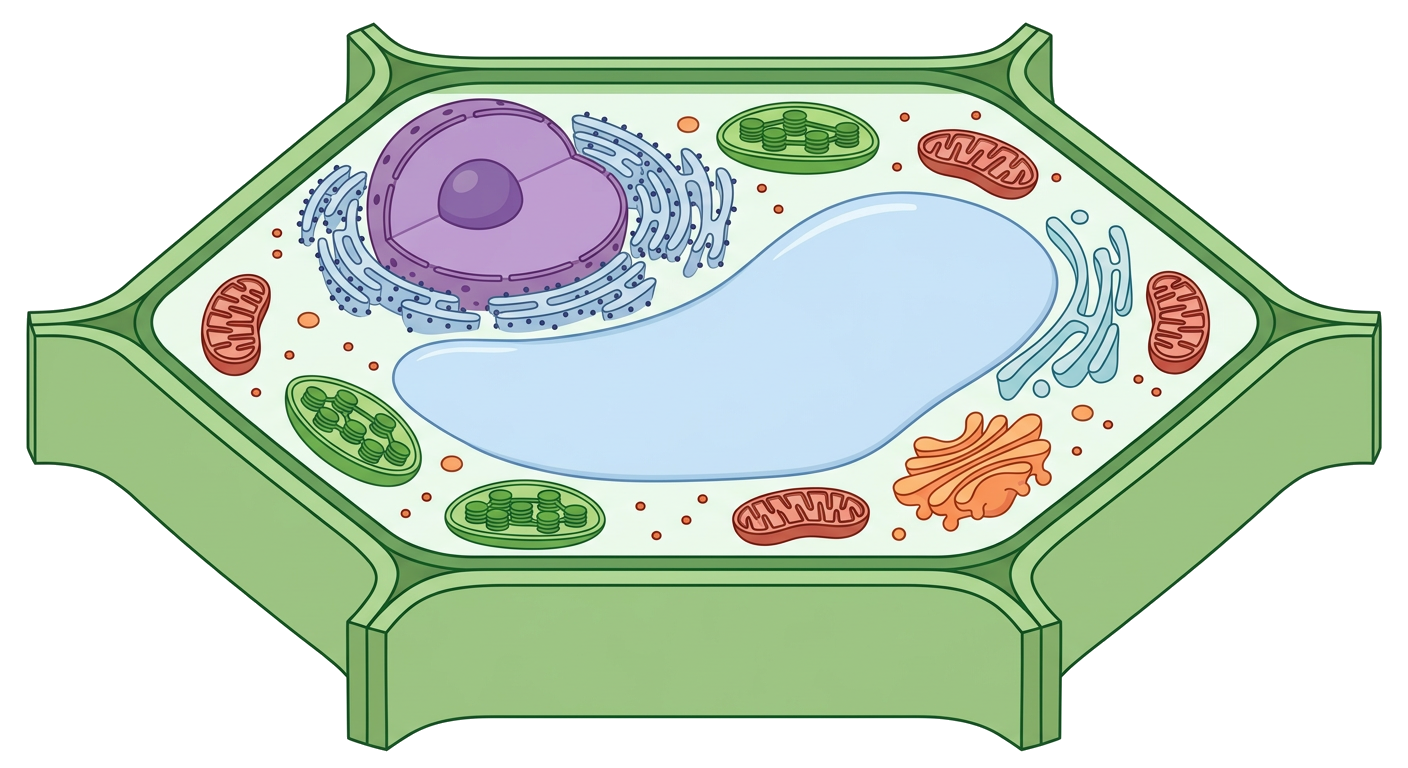
7. Explain the phenomenon of plasmolysis in plant cells when placed in a hypertonic solution. You may refer to the diagram below.
8. Osmosis requires energy (ATP) to move water across the membrane.
True
False
9. Animal cells have a cell wall that prevents them from bursting in a hypotonic solution.
True
False
10. Discuss the importance of maintaining isotonic conditions for intravenous fluids administered to patients. What would happen if a hypotonic or hypertonic solution was used instead?
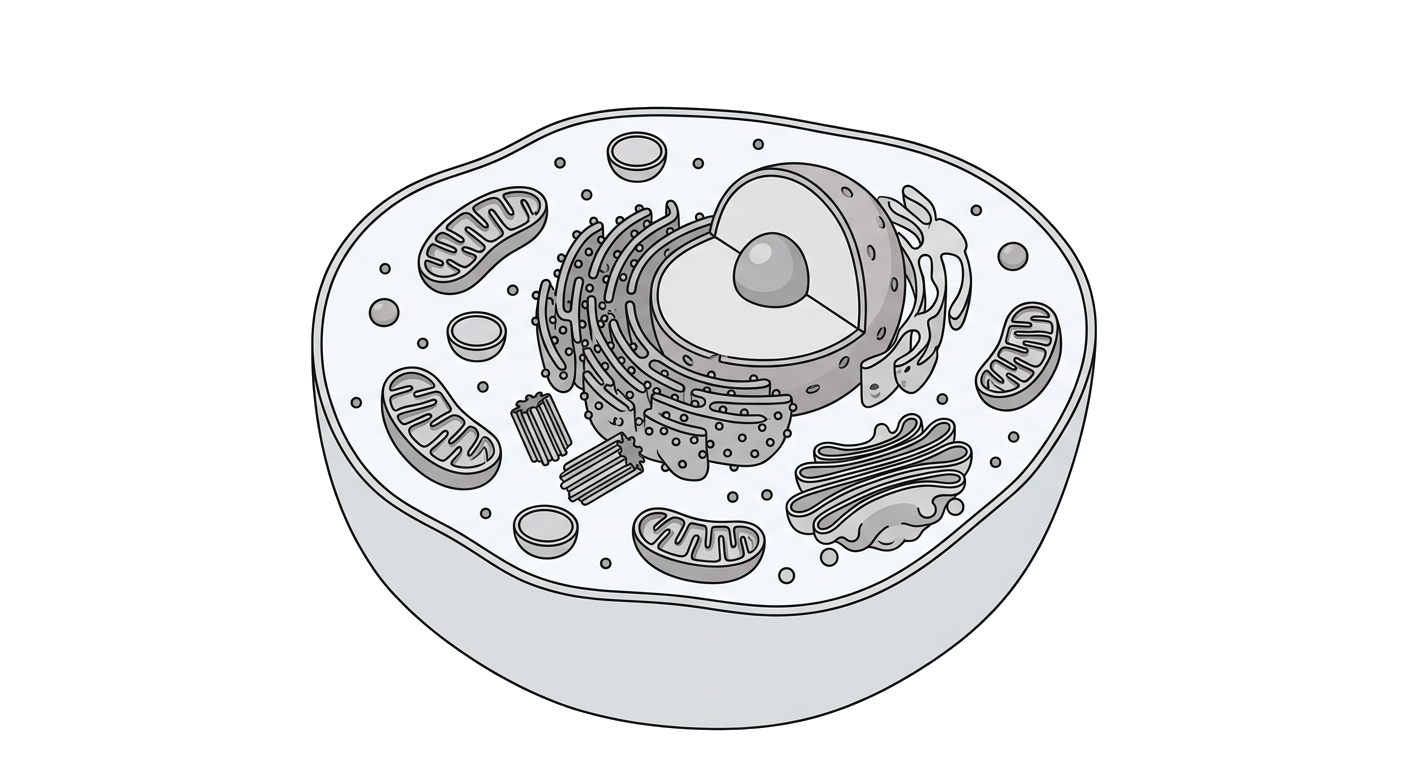
11. Observe the image of the animal cell below. Draw and label how this cell would appear if placed in a hypertonic solution and a hypotonic solution. Explain the changes you've drawn.
Related Worksheets
The Cell Membrane: Structure and Function
An 11th-grade science worksheet focusing on the structure, components, and functions of the cell membrane, including transport mechanisms.
Human Skull Anatomy Worksheet
Explore the complex anatomy and functions of the human skull with this Grade 11 science worksheet.