Zombie Biology Worksheet
Explore the hypothetical biological characteristics, transmission, and societal impact of a zombie apocalypse at a Grade 11 science level.
Includes
Standards
Topics
Zombie Biology Worksheet
Name:
Date:
Score:
Read each question carefully and provide thoughtful answers based on your understanding of biology and hypothetical zombie scenarios. Use the provided space for your responses.
1. Which of the following biological systems would likely be most compromised in a reanimated zombie, leading to its characteristic slow, shambling gait?
Circulatory system
Nervous system
Digestive system
Respiratory system
2. If a zombie pathogen primarily targets neural tissue, which part of the brain shown below would be most critical to incapacitate for immediate cessation of zombie activity?
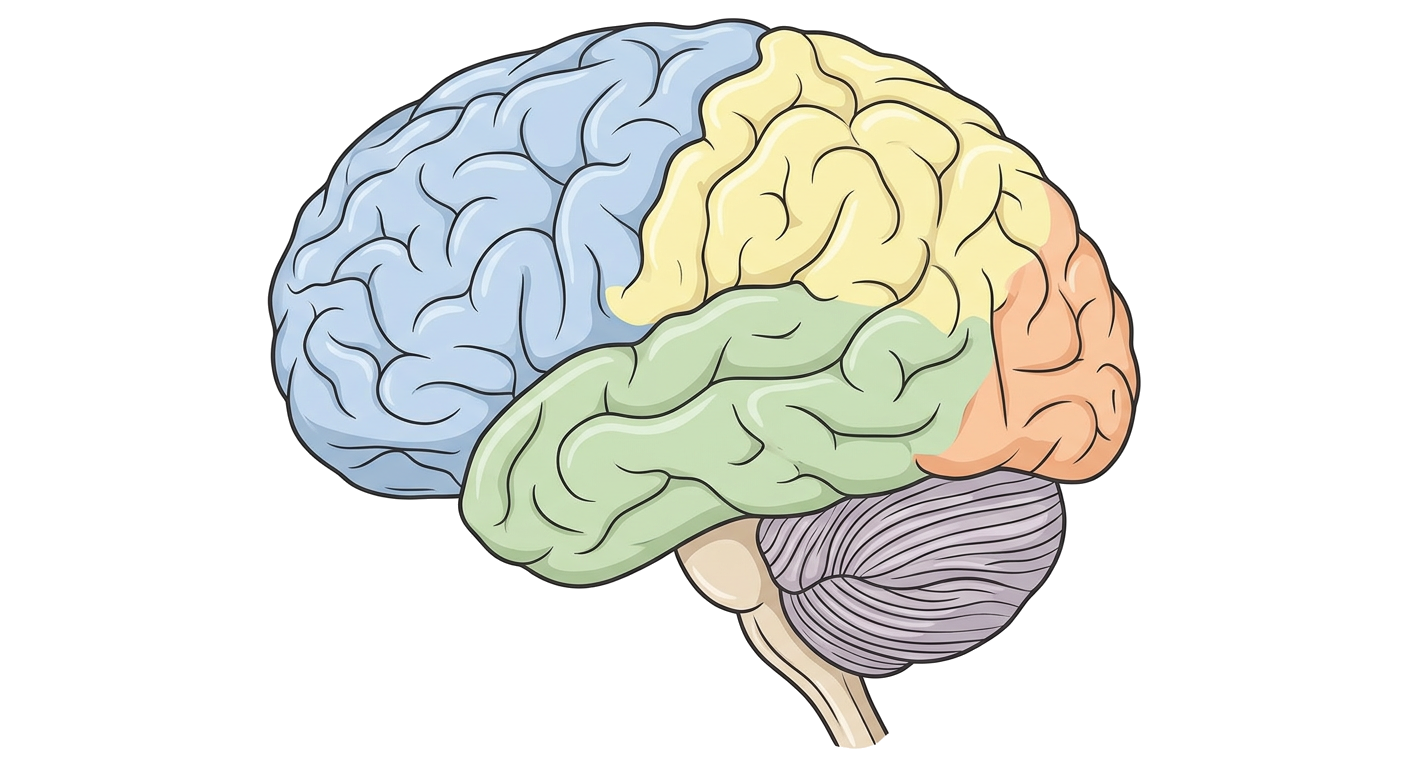
Cerebellum
Frontal Lobe
Brainstem
Occipital Lobe
3. A hypothetical zombie virus that causes rapid cellular necrosis and reanimation would likely be classified as a due to its rapid spread and severe symptoms.
4. The primary mode of transmission for many cinematic zombie infections is through direct contact with infected bodily fluids, often via a .
5. Describe two distinct biological mechanisms by which a pathogen could hypothetically induce zombie-like behavior (e.g., aggression, lack of higher cognitive function) in a human host.
6. True or False: For a zombie organism to sustain movement and aggression, its muscular system would require a constant supply of ATP generated through aerobic respiration.
True
False
7. Propose a hypothetical evolutionary advantage for a zombie-inducing pathogen that allows its host to survive for an extended period after initial infection, even with severe brain damage. Consider both pathogen and host perspectives.
Related Worksheets
The Cell Membrane: Structure and Function
An 11th-grade science worksheet focusing on the structure, components, and functions of the cell membrane, including transport mechanisms.
Human Skull Anatomy Worksheet
Explore the complex anatomy and functions of the human skull with this Grade 11 science worksheet.