Body Planes and Anatomical Terminology
A Grade 12 Biology worksheet covering body planes, directional terms, and anatomical positions.
Includes
Standards
Topics
Body Planes and Anatomical Terminology
Name:
Date:
Score:
Read each question carefully and provide the best answer based on your knowledge of anatomical terminology and body planes.
1. Which body plane divides the body into anterior and posterior portions?
Sagittal plane
Transverse plane
Frontal (coronal) plane
Oblique plane
2. A cut that divides the body into superior and inferior parts is made along which plane?
Midsagittal plane
Transverse (horizontal) plane
Parasagittal plane
Coronal plane
3. The anatomical position is characterized by the body being erect, with the feet slightly apart, palms facing and thumbs pointing away from the body.
4. The term means towards the head or upper part of a structure.
5. The knee is to the ankle.
6. A sagittal plane always divides the body into equal right and left halves.
True
False
7. The term 'distal' describes a position further from the point of attachment or the trunk of the body.
True
False
8. Describe the difference between a midsagittal and a parasagittal plane.
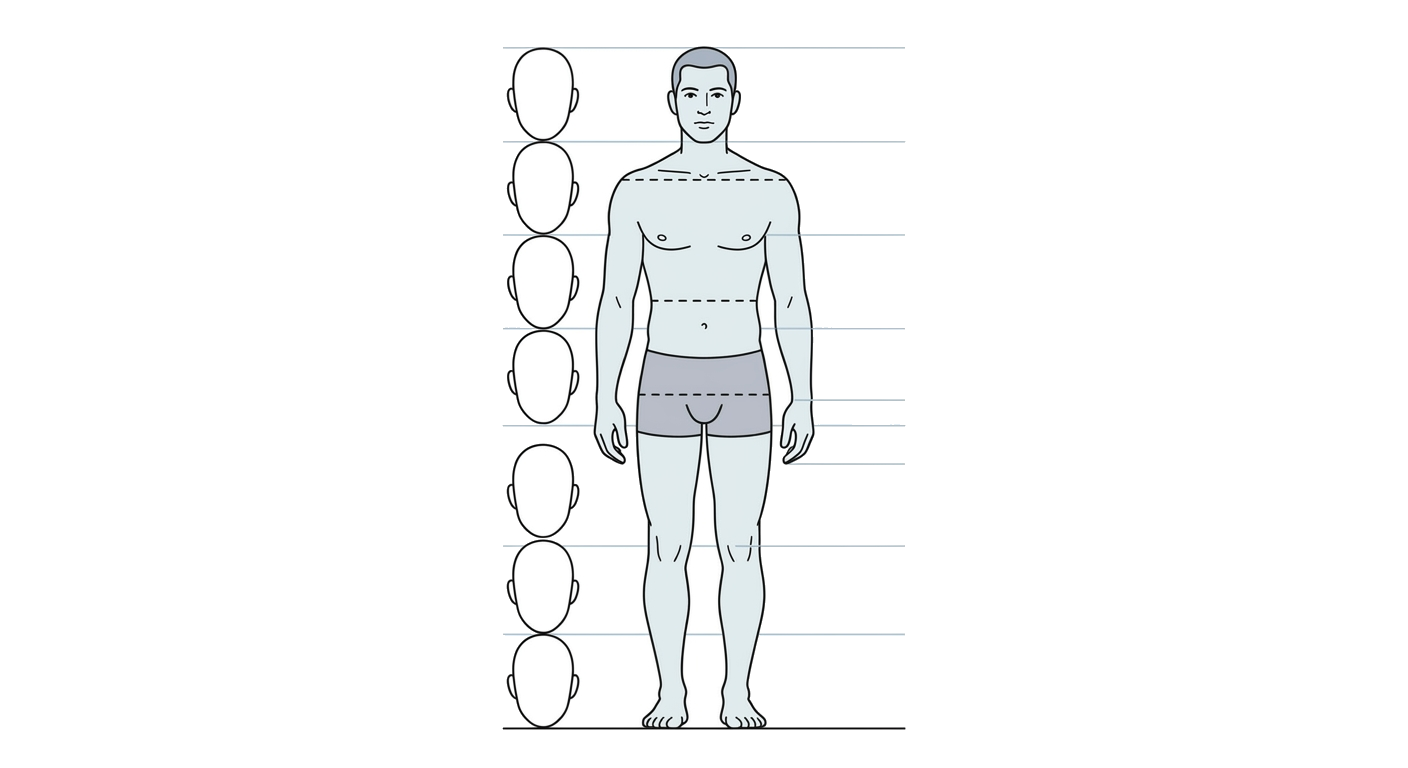
9. Identify the body plane indicated by the dashed line in the diagram below and explain what type of section it would create.
Related Worksheets
Grade 12 Biology: Dissection Fundamentals
This worksheet covers essential concepts and practices in biological dissection, including safety, tool identification, and ethical considerations for Grade 12 Biology students.
Grade 12 Biology: The Integumentary System
This worksheet covers the structure, function, and common conditions of the human integumentary system for Grade 12 Biology students.
Grade 12 Biology: Heart Rate
This worksheet explores the physiological mechanisms regulating heart rate, factors influencing it, and methods of measurement for Grade 12 Biology students.
Grade 12 Non-Mendelian Inheritance Worksheet
Explore advanced concepts in genetics beyond simple Mendelian patterns, including incomplete dominance, codominance, multiple alleles, and polygenic inheritance.