Grade 12 Brain Dissection Worksheet
This worksheet covers key anatomical structures of the mammalian brain, their functions, and proper dissection techniques, suitable for Grade 12 Biology students.
Includes
Standards
Topics
Grade 12 Brain Dissection Lab
Name:
Date:
Score:
Carefully read each question and provide thorough answers. Refer to your lab observations and notes from the brain dissection.
1. Which of the following structures is primarily responsible for coordinating voluntary movements and balance?
Cerebrum
Cerebellum
Brainstem
Thalamus
2. During the dissection, you observed the dura mater. What is its primary function?
Produce cerebrospinal fluid
Provide structural support and protection to the brain
Transmit sensory information to the cerebrum
Regulate body temperature
3. The two hemispheres of the cerebrum are connected by a large bundle of nerve fibers called the .
4. The is responsible for vital involuntary functions such as breathing, heart rate, and blood pressure.
5. The grooves on the surface of the cerebrum are called , while the ridges are called .
6. Observe the lateral view of the human brain below. Identify and label the four main lobes of the cerebrum. Briefly describe one primary function for each lobe.
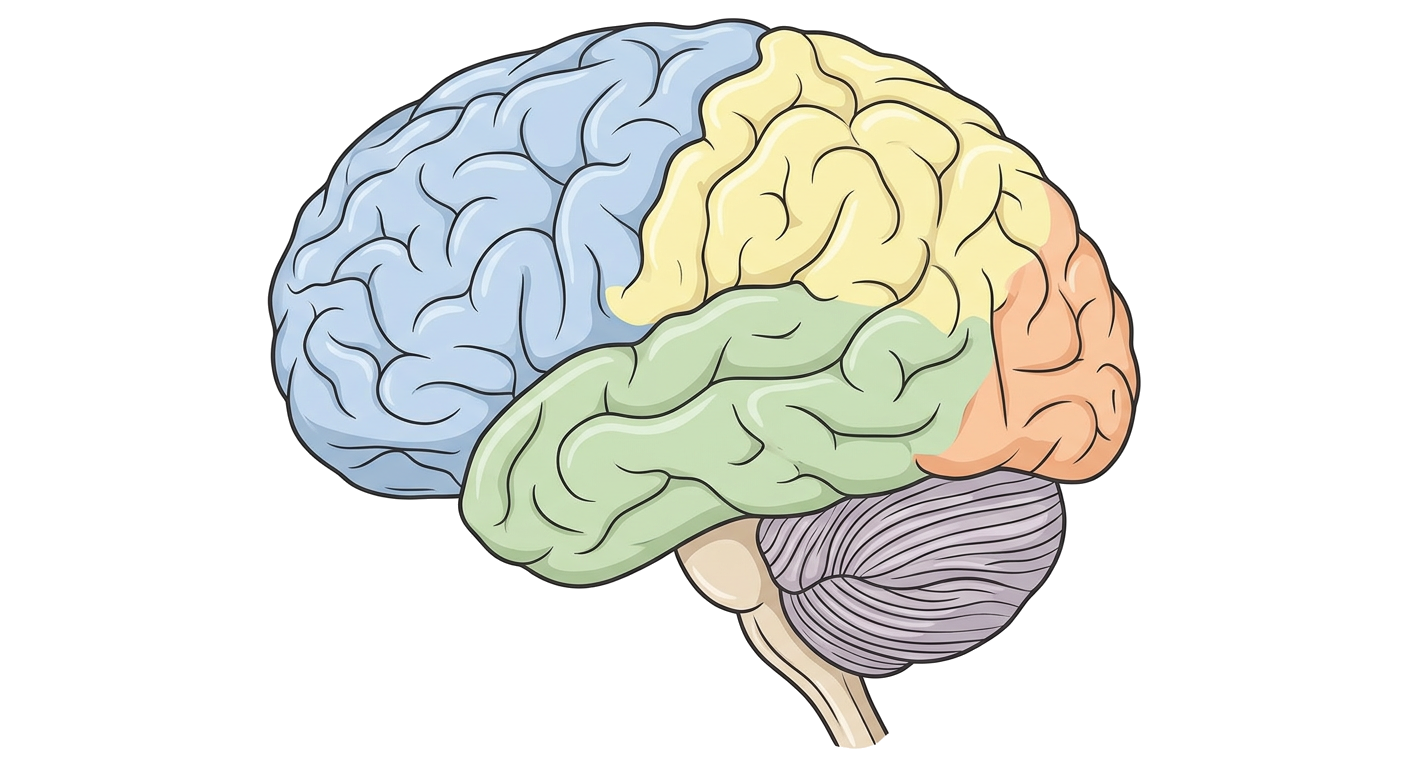
7. Describe the appearance and texture of the gray matter and white matter observed during the cross-section dissection. Explain the functional difference between these two types of tissue.
8. The pituitary gland is located superior to the hypothalamus.
True
False
9. The optic chiasm is where the optic nerves partially cross over.
True
False
Match the brain structure with its primary function.
10. Thalamus
a. Relay station for sensory information
11. Hypothalamus
b. Regulates hunger, thirst, and body temperature
12. Medulla Oblongata
c. Connects the cerebrum to the spinal cord; controls vital reflexes
13. Corpus Callosum
d. Connects the two cerebral hemispheres
14. Discuss the importance of proper safety procedures and ethical considerations when performing a brain dissection. Include at least three specific examples for each.
Related Worksheets
Grade 12 Biology: Dissection Fundamentals
This worksheet covers essential concepts and practices in biological dissection, including safety, tool identification, and ethical considerations for Grade 12 Biology students.
Grade 12 Biology: The Integumentary System
This worksheet covers the structure, function, and common conditions of the human integumentary system for Grade 12 Biology students.
Grade 12 Biology: Heart Rate
This worksheet explores the physiological mechanisms regulating heart rate, factors influencing it, and methods of measurement for Grade 12 Biology students.
Grade 12 Non-Mendelian Inheritance Worksheet
Explore advanced concepts in genetics beyond simple Mendelian patterns, including incomplete dominance, codominance, multiple alleles, and polygenic inheritance.