Grade 12 Biology: Cloning
This worksheet covers the fundamental concepts of cloning, including types of cloning, ethical considerations, and real-world applications relevant to Grade 12 Biology.
Includes
Standards
Topics
Grade 12 Biology: Cloning
Name:
Date:
Score:
Read each question carefully and provide thoughtful answers based on your knowledge of cloning. Use complete sentences for short answer questions.
1. Which of the following best describes reproductive cloning?
Creating genetically identical copies of cells or tissues for therapeutic purposes.
Producing a genetically identical organism to the donor organism.
Modifying an organism's genes to express desired traits.
Creating hybrid organisms with genetic material from two different species.
2. What is the primary ethical concern often raised regarding human reproductive cloning?
The potential for genetic mutations in cloned individuals.
The impact on human individuality and dignity.
The high cost associated with cloning procedures.
The limited success rate of cloning experiments.
1. Somatic cell nuclear transfer (SCNT) is a technique used in cloning.
2. Therapeutic cloning aims to produce cells for medical treatments.
3. The first cloned mammal, Dolly the sheep, was created using an adult cell.
1. All cloned organisms are exact physical and behavioral replicas of their donors.
True
False
2. Gene cloning involves creating an entire organism that is genetically identical to another.
True
False
1. Briefly explain the difference between reproductive cloning and therapeutic cloning.
2. Describe one potential benefit and one potential risk of using cloning technology.
Observe the diagram below depicting the basic process of somatic cell nuclear transfer (SCNT).
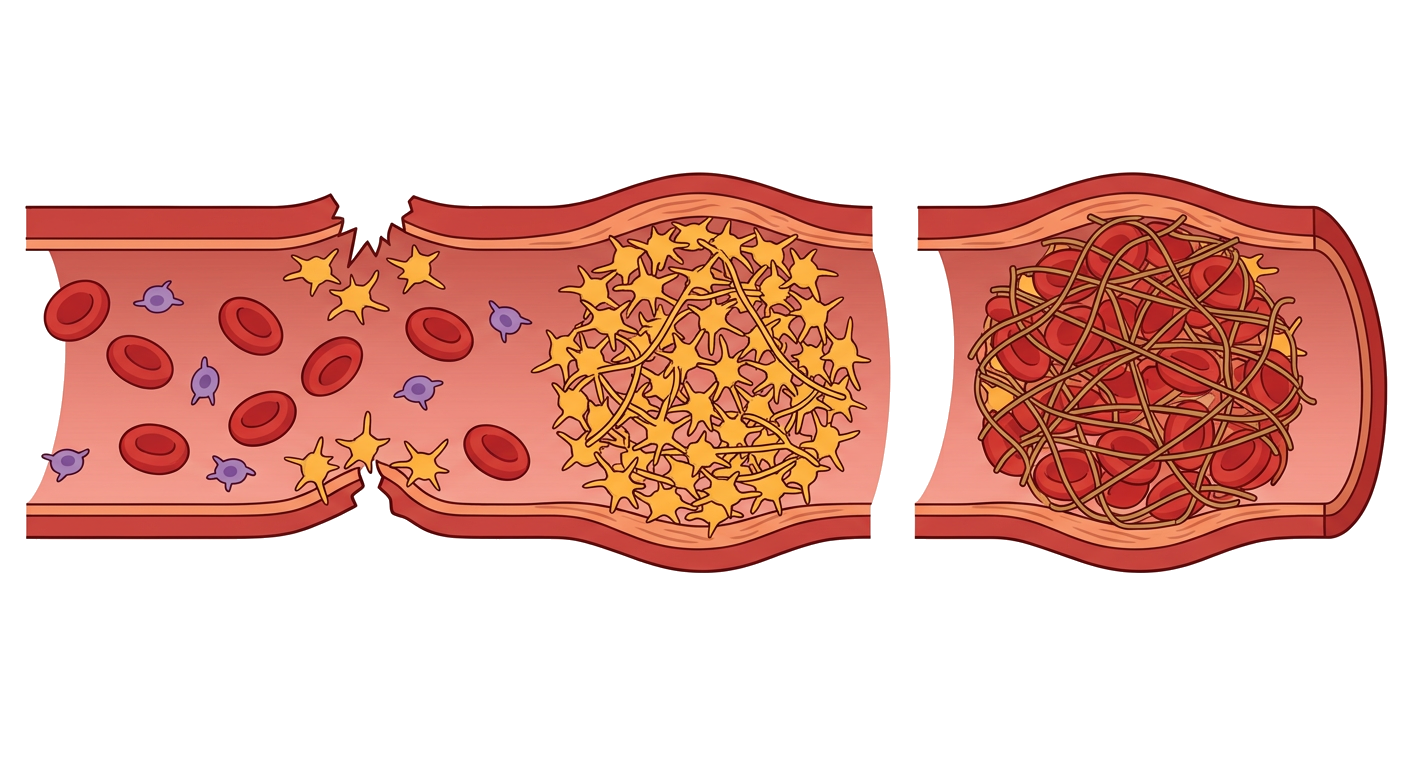
3. Based on the diagram and your understanding, identify the key steps involved in SCNT.
Related Worksheets
Grade 12 Biology: Dissection Fundamentals
This worksheet covers essential concepts and practices in biological dissection, including safety, tool identification, and ethical considerations for Grade 12 Biology students.
Grade 12 Biology: The Integumentary System
This worksheet covers the structure, function, and common conditions of the human integumentary system for Grade 12 Biology students.
Grade 12 Biology: Heart Rate
This worksheet explores the physiological mechanisms regulating heart rate, factors influencing it, and methods of measurement for Grade 12 Biology students.
Grade 12 Non-Mendelian Inheritance Worksheet
Explore advanced concepts in genetics beyond simple Mendelian patterns, including incomplete dominance, codominance, multiple alleles, and polygenic inheritance.