Forensic Entomology Worksheet
A Grade 12 science worksheet covering key concepts in forensic entomology, including insect life cycles, succession, and their application in crime scene investigations.
Includes
Standards
Topics
Forensic Entomology: The Silent Witnesses
Name:
Date:
Score:
Read each question carefully and provide thorough answers. Use your knowledge of forensic entomology to analyze the scenarios and concepts presented.
1. Which of the following insect orders is typically the first to arrive at a decaying corpse?
Coleoptera (beetles)
Diptera (flies)
Hymenoptera (ants, bees, wasps)
Lepidoptera (moths, butterflies)
2. The Accumulated Degree Hours (ADH) or Accumulated Degree Days (ADD) method in forensic entomology is used to:
Determine the species of insect present.
Estimate the Post Mortem Interval (PMI).
Identify the cause of death.
Analyze stomach contents of insects.
3. The study of insects and other arthropods in a legal context is known as .
4. The various stages of development an insect goes through, from egg to adult, are collectively called its .
5. The presence of specific insect species can indicate if a body has been moved from its original location.
True
False
6. Maggots found on a corpse are typically in the adult stage of their life cycle.
True
False
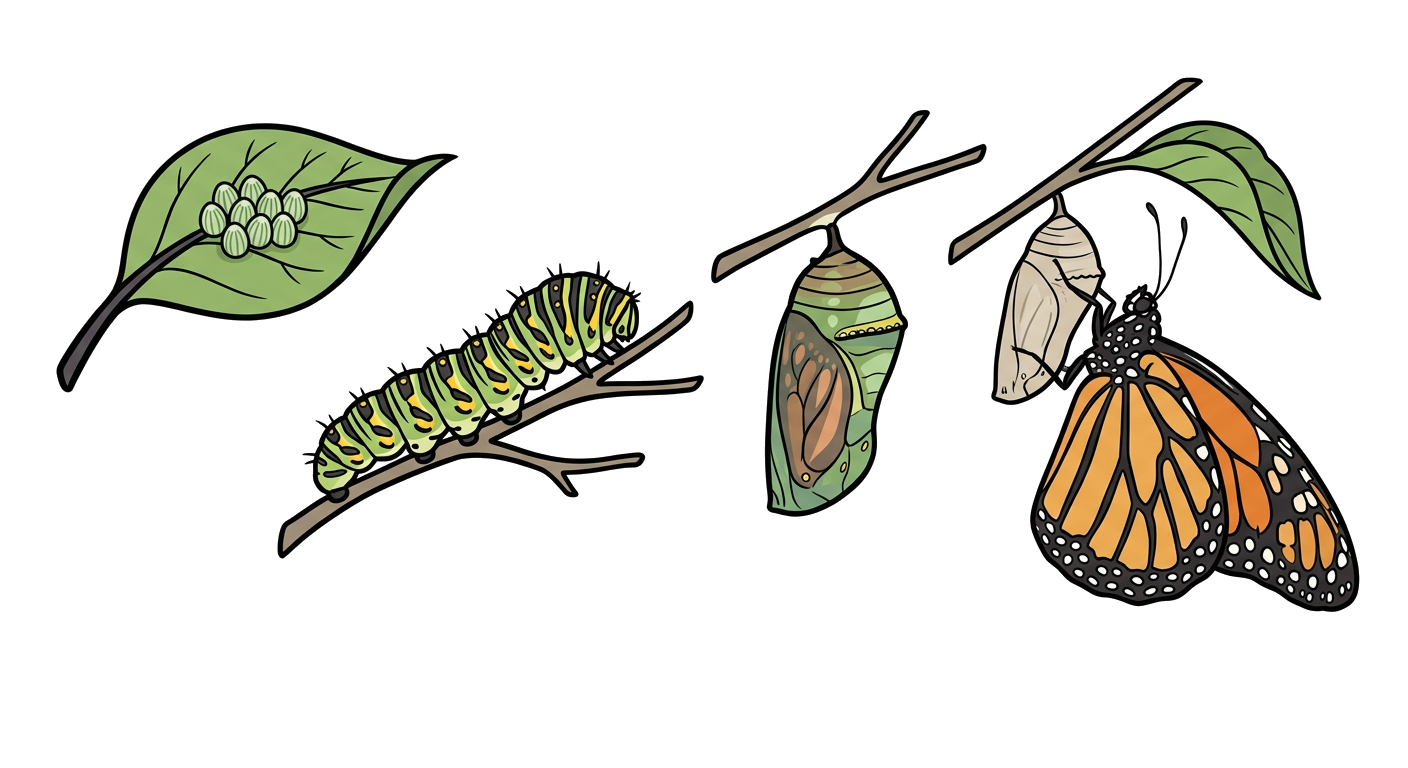
7. Describe the four main stages of complete metamorphosis in insects, providing an example of an insect that undergoes this type of development.
8. Explain how environmental factors such as temperature can affect the development rate of insects and, consequently, the accuracy of PMI estimations.
9. Label the stages of the insect life cycle shown below:
A:
B:
C:
D:
Related Worksheets
Grade 12 Biology: Dissection Fundamentals
This worksheet covers essential concepts and practices in biological dissection, including safety, tool identification, and ethical considerations for Grade 12 Biology students.
Grade 12 Biology: The Integumentary System
This worksheet covers the structure, function, and common conditions of the human integumentary system for Grade 12 Biology students.
Grade 12 Biology: Heart Rate
This worksheet explores the physiological mechanisms regulating heart rate, factors influencing it, and methods of measurement for Grade 12 Biology students.
Grade 12 Non-Mendelian Inheritance Worksheet
Explore advanced concepts in genetics beyond simple Mendelian patterns, including incomplete dominance, codominance, multiple alleles, and polygenic inheritance.