The Limbic System: Exploring Emotion and Memory
A Grade 12 science worksheet focusing on the structures, functions, and interconnectedness of the limbic system in relation to emotion, memory, and behavior.
Includes
Standards
Topics
The Limbic System: Exploring Emotion and Memory
Name:
Date:
Score:
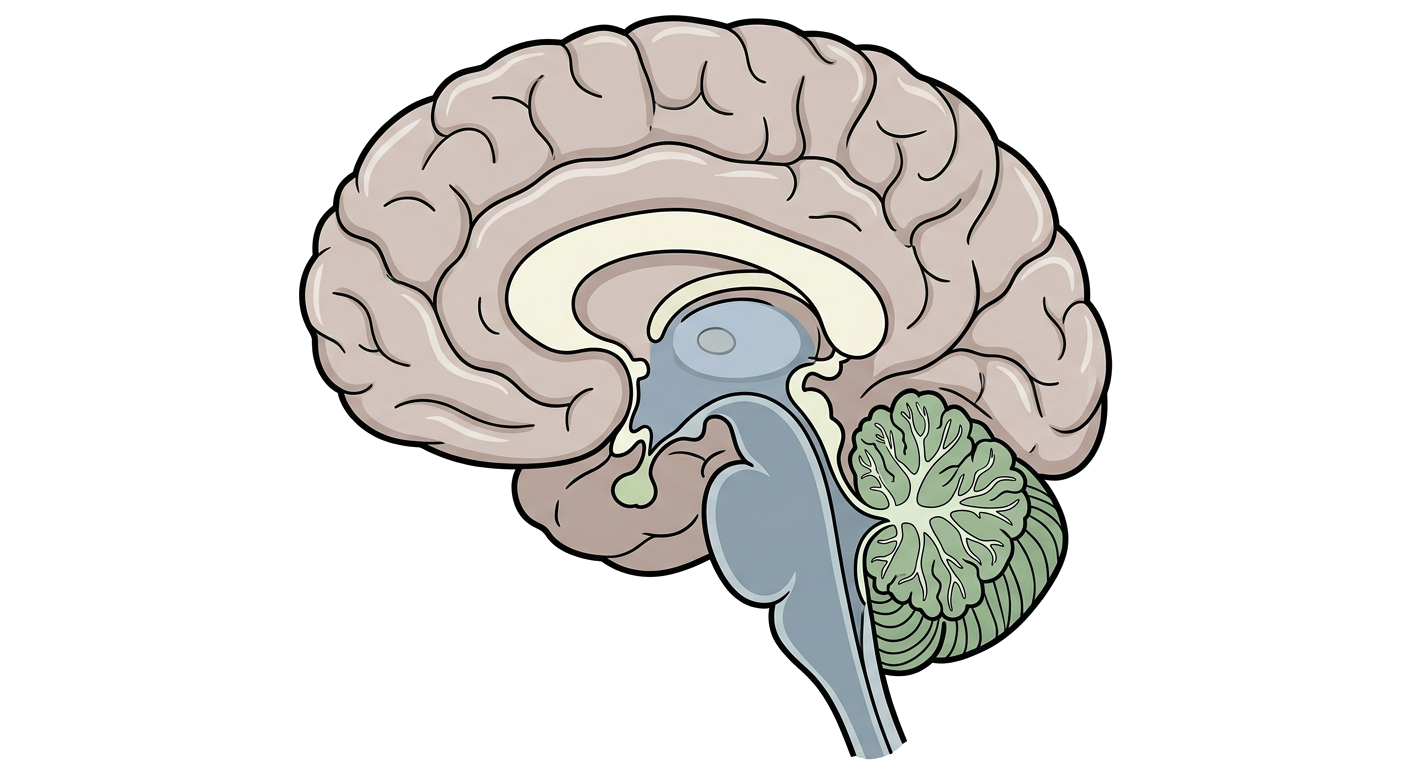
Read each question carefully and provide detailed answers based on your knowledge of the limbic system. Refer to the diagram as needed.
The limbic system is a complex set of brain structures located on top of the brainstem and buried under the cortex. It is involved in emotion, motivation, memory, and learning.
1. Which component of the limbic system is primarily associated with the formation of new memories?
Amygdala
Hippocampus
Thalamus
Hypothalamus
2. Damage to which limbic structure is most likely to impair an individual's ability to process and express fear?
Cingulate Gyrus
Fornix
Amygdala
Olfactory Bulb
3. The plays a crucial role in regulating autonomic functions, emotional responses, and hormone release.
4. Long-term potentiation, a cellular mechanism for learning and memory, is most prominently studied in the .
5. Describe the primary function of the cingulate gyrus within the limbic system and its connection to other brain regions.
6. Explain how the limbic system interacts with the prefrontal cortex to influence decision-making and emotional regulation.
7. The thalamus is considered a direct component of the limbic system, primarily responsible for emotional processing.
True
False
8. The olfactory bulb's direct connection to the limbic system explains why smells can strongly trigger memories and emotions.
True
False
Related Worksheets
Grade 12 Biology: Dissection Fundamentals
This worksheet covers essential concepts and practices in biological dissection, including safety, tool identification, and ethical considerations for Grade 12 Biology students.
Grade 12 Biology: The Integumentary System
This worksheet covers the structure, function, and common conditions of the human integumentary system for Grade 12 Biology students.
Grade 12 Biology: Heart Rate
This worksheet explores the physiological mechanisms regulating heart rate, factors influencing it, and methods of measurement for Grade 12 Biology students.
Grade 12 Non-Mendelian Inheritance Worksheet
Explore advanced concepts in genetics beyond simple Mendelian patterns, including incomplete dominance, codominance, multiple alleles, and polygenic inheritance.