Prokaryotes and Eukaryotes
A Grade 12 science worksheet covering the key differences and characteristics of prokaryotic and eukaryotic cells.
Includes
Standards
Topics
Prokaryotes and Eukaryotes
Name:
Date:
Score:
Read each question carefully and provide detailed answers. Use your knowledge of prokaryotic and eukaryotic cells to complete the tasks.
1. Which of the following is a key distinguishing feature of eukaryotic cells compared to prokaryotic cells?
Absence of a cell wall
Presence of a true nucleus
Circular DNA genome
Lack of ribosomes
2. Which organelle is responsible for ATP production in eukaryotic cells?
Endoplasmic reticulum
Golgi apparatus
Mitochondria
Ribosomes
1. Prokaryotic cells typically reproduce by , while eukaryotic cells divide by mitosis and meiosis.
2. The genetic material of a prokaryotic cell is found in the , which is not enclosed by a membrane.
3. Eukaryotic cells are generally much than prokaryotic cells.
1. All prokaryotic cells have a cell wall.
True
False
2. Eukaryotic cells contain membrane-bound organelles.
True
False
1. Discuss the endosymbiotic theory and its relevance to the evolution of eukaryotic cells. Include specific examples of organelles thought to have originated through this process.
2. Compare and contrast the structure and function of ribosomes in prokaryotic and eukaryotic cells.
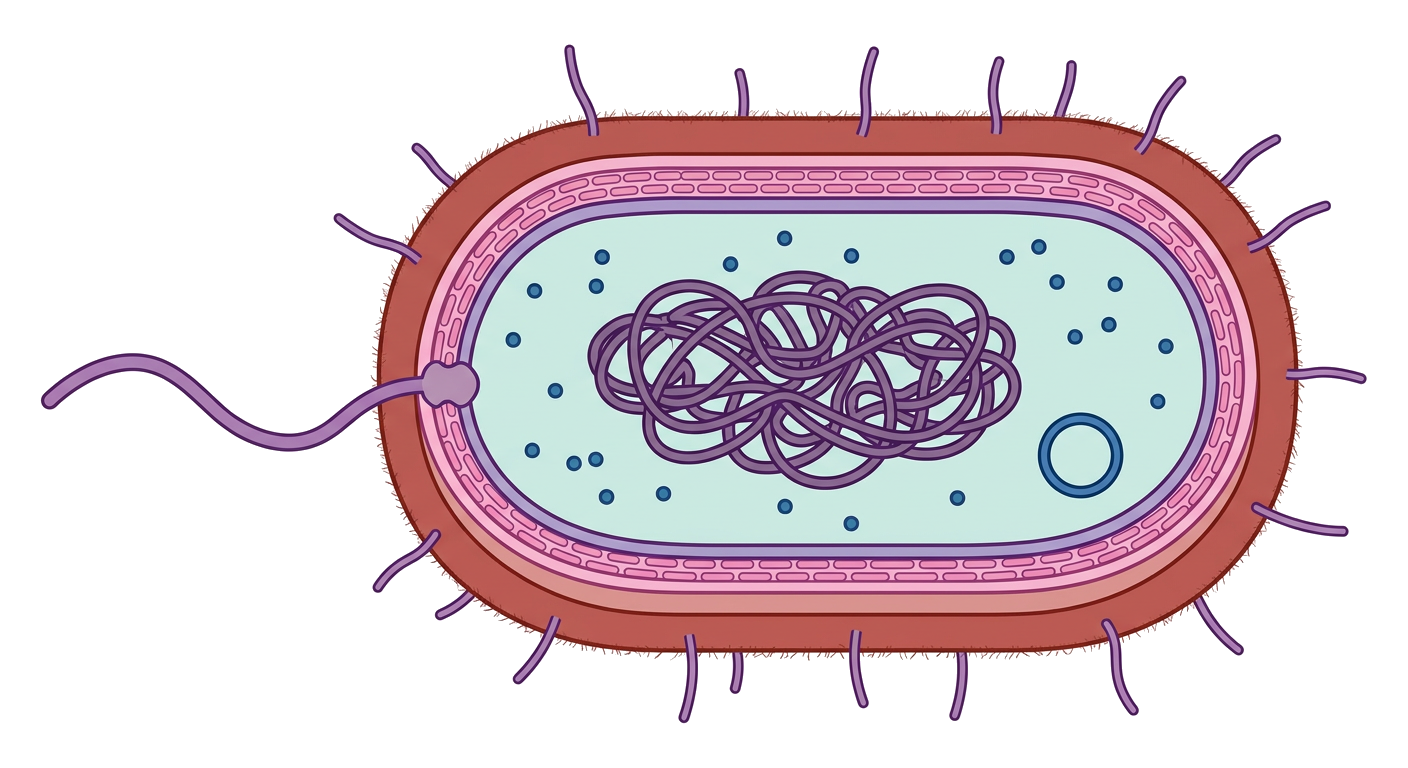
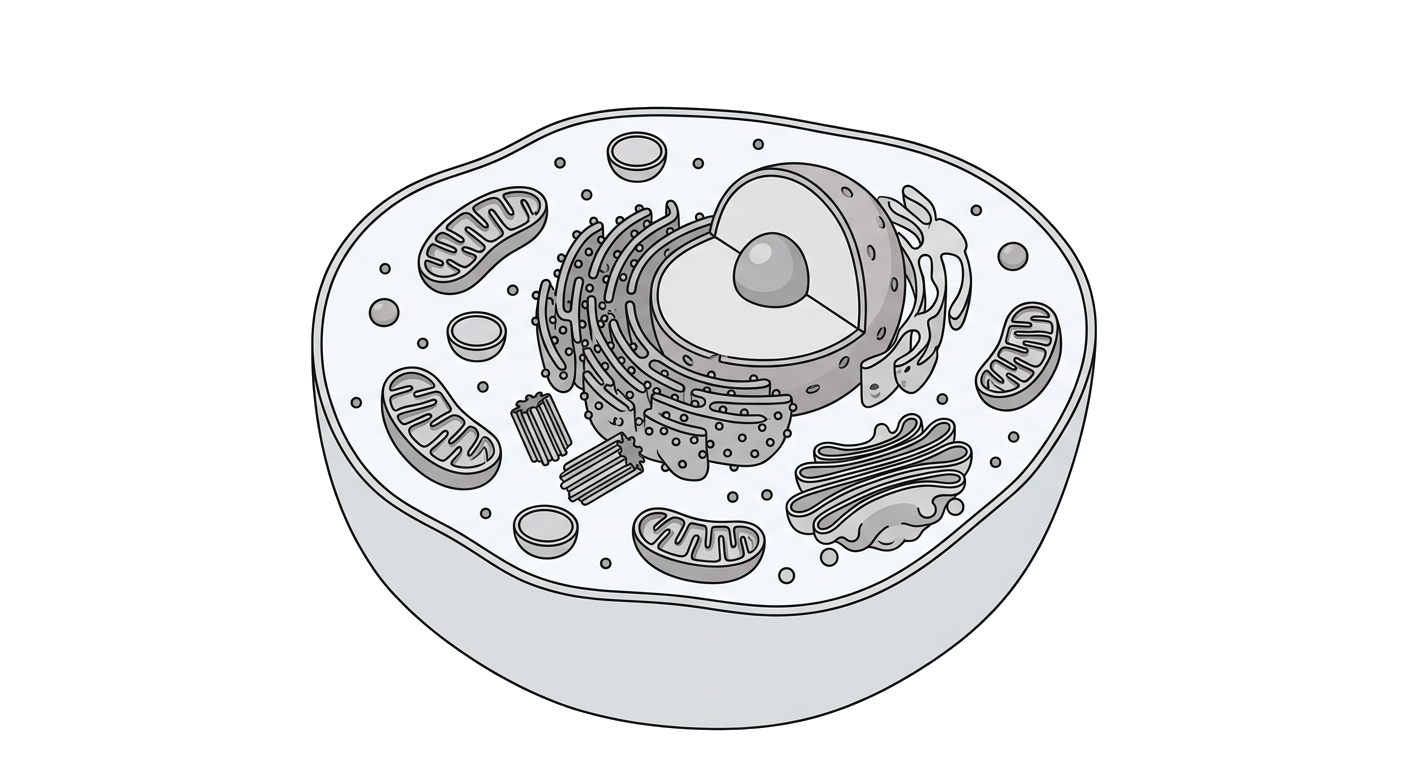
Examine the provided diagrams of a prokaryotic cell and a eukaryotic animal cell. Identify and label at least three key differences in their structures.
Related Worksheets
Grade 12 Biology: Dissection Fundamentals
This worksheet covers essential concepts and practices in biological dissection, including safety, tool identification, and ethical considerations for Grade 12 Biology students.
Grade 12 Biology: The Integumentary System
This worksheet covers the structure, function, and common conditions of the human integumentary system for Grade 12 Biology students.
Grade 12 Biology: Heart Rate
This worksheet explores the physiological mechanisms regulating heart rate, factors influencing it, and methods of measurement for Grade 12 Biology students.
Grade 12 Non-Mendelian Inheritance Worksheet
Explore advanced concepts in genetics beyond simple Mendelian patterns, including incomplete dominance, codominance, multiple alleles, and polygenic inheritance.