Grade 12 Biology: Tooth Structure
Explore the intricate anatomy and functions of human teeth at a Grade 12 biology level, covering enamel, dentin, pulp, and cementum.
Includes
Standards
Topics
Grade 12 Biology: Tooth Structure
Name:
Date:
Score:
Read each question carefully and provide your best answer based on your knowledge of tooth structure. Refer to the diagram as needed.
Examine the diagram of the human tooth cross-section below:
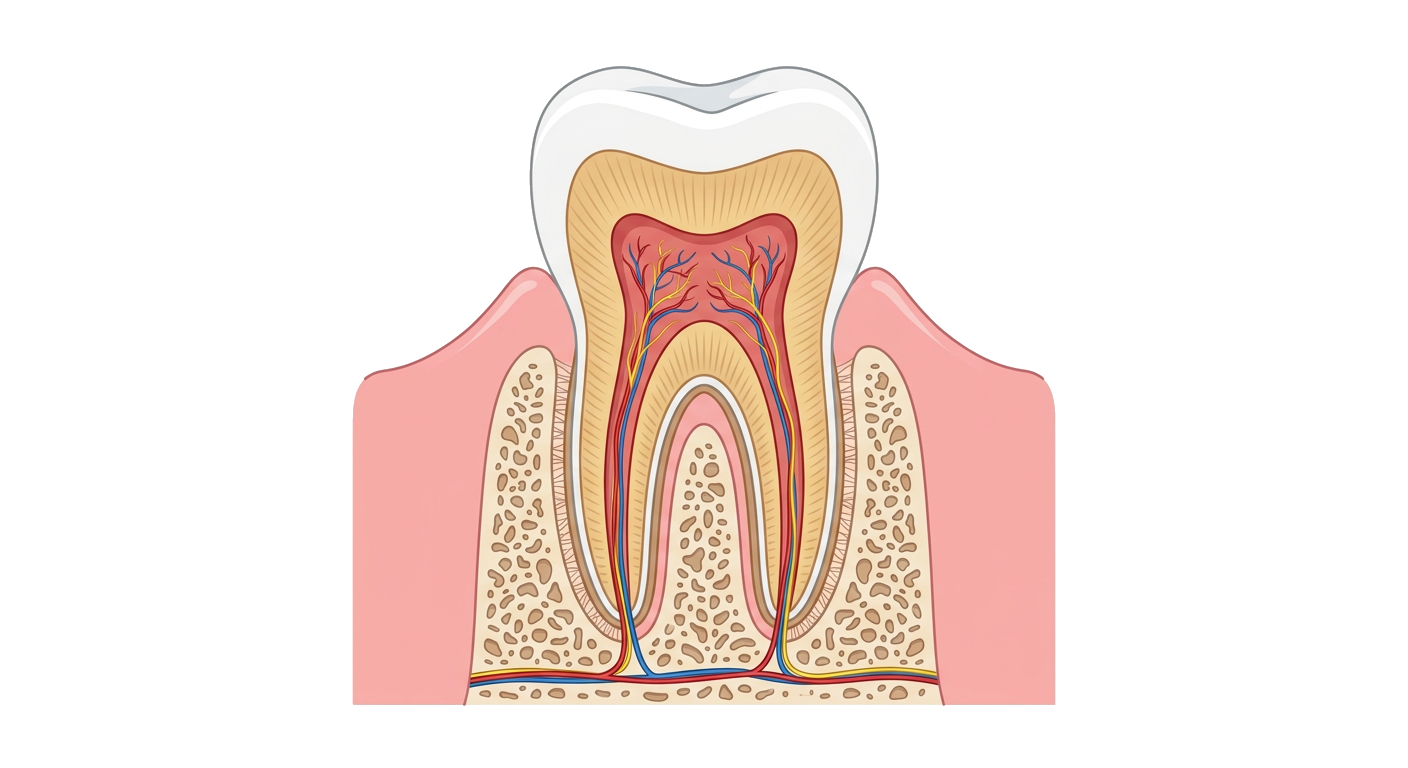
1. Which of the following is the hardest substance in the human body and covers the crown of the tooth?
Dentin
Pulp
Enamel
Cementum
2. Which part of the tooth contains nerves and blood vessels, providing nutrients and sensation to the tooth?
Dentin
Pulp
Enamel
Cementum
1. The is a bone-like substance that covers the root of the tooth and helps anchor it to the jawbone.
2. Odontoblasts are specialized cells responsible for producing , which makes up the bulk of the tooth.
1. Describe the primary function of enamel and explain why it is crucial for tooth health.
2. Explain the difference between the crown and the root of a tooth, mentioning the key structures found in each.
1. Dentin is softer than cementum but harder than enamel.
True
False
2. The periodontal ligament connects the cementum to the alveolar bone, providing support to the tooth.
True
False
Related Worksheets
Grade 12 Biology: Dissection Fundamentals
This worksheet covers essential concepts and practices in biological dissection, including safety, tool identification, and ethical considerations for Grade 12 Biology students.
Grade 12 Biology: The Integumentary System
This worksheet covers the structure, function, and common conditions of the human integumentary system for Grade 12 Biology students.
Grade 12 Biology: Heart Rate
This worksheet explores the physiological mechanisms regulating heart rate, factors influencing it, and methods of measurement for Grade 12 Biology students.
Grade 12 Non-Mendelian Inheritance Worksheet
Explore advanced concepts in genetics beyond simple Mendelian patterns, including incomplete dominance, codominance, multiple alleles, and polygenic inheritance.