Viruses and Bacteria: Grade 12 Biology
This worksheet covers the structure, reproduction, and impact of viruses and bacteria, including their roles in disease and immunity, suitable for Grade 12 Biology students.
Includes
Standards
Topics
Viruses and Bacteria: Grade 12 Biology
Name:
Date:
Score:
Read each question carefully and answer to the best of your ability. Show all work where applicable.
1. Which of the following is a key difference between viruses and bacteria?
Viruses are prokaryotic, while bacteria are eukaryotic.
Bacteria require a host cell to reproduce, whereas viruses can reproduce independently.
Viruses contain genetic material (DNA or RNA), while bacteria do not.
Bacteria are living organisms, while viruses are considered non-living particles.
2. Which of the following best describes the lytic cycle of viral reproduction?
The viral DNA integrates into the host genome and replicates with it.
The virus replicates without destroying the host cell.
The virus takes over the host cell's machinery to produce new virions, eventually lysing the cell.
The virus forms a provirus that remains dormant in the host.
3. The outer protein coat of a virus is called the .
4. Bacteria reproduce asexually through a process called .
5. A plasmid is a small, circular piece of found in many bacteria.
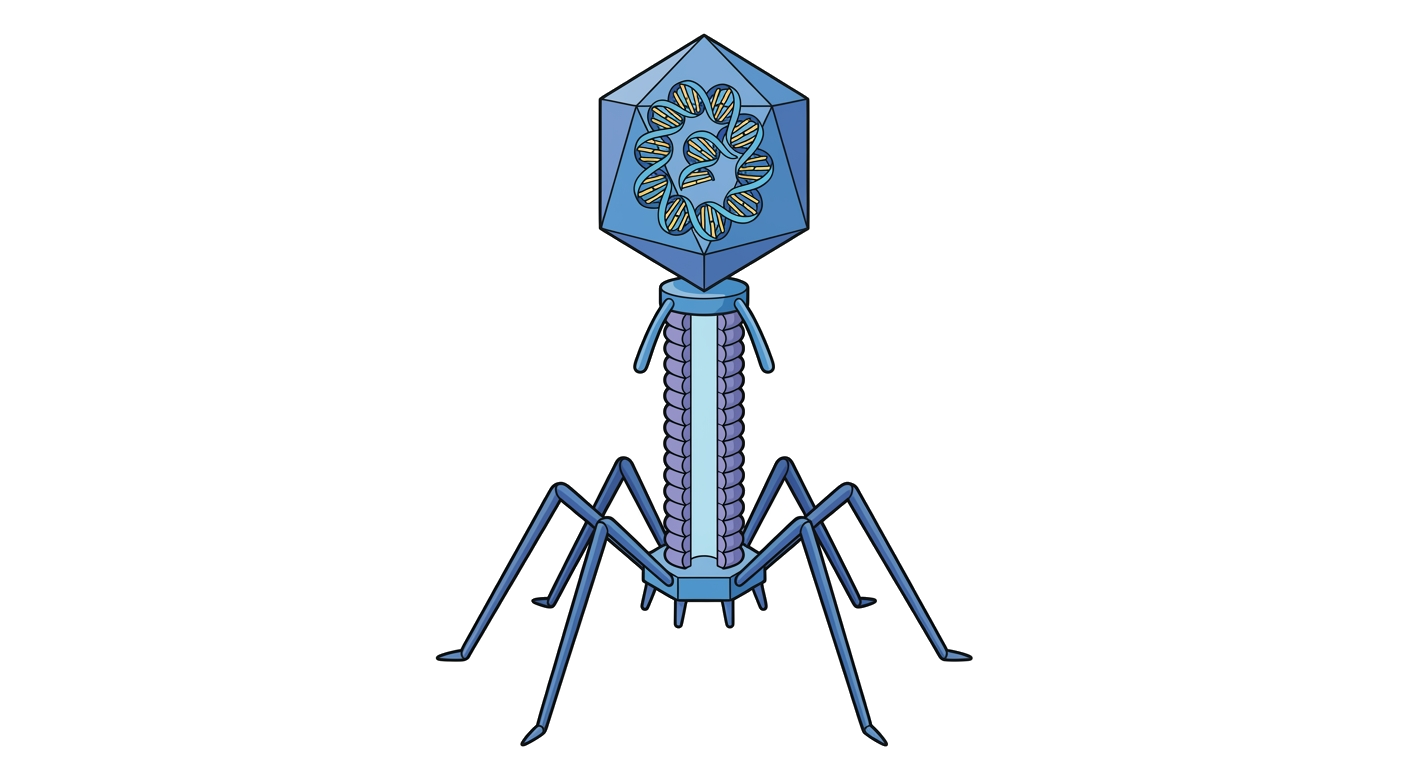
6. Describe the main components of the virus shown in the diagram and explain their functions.
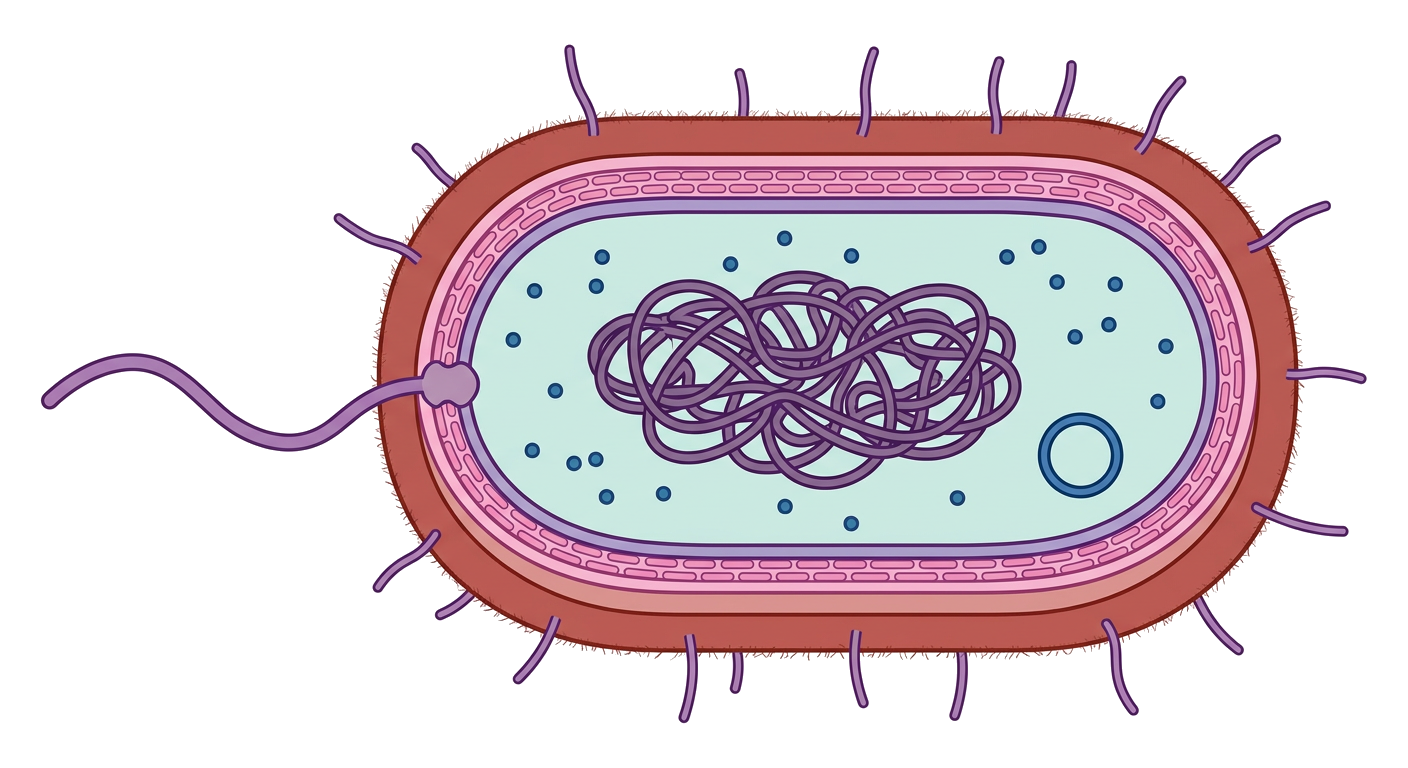
7. Identify two structures present in the bacterial cell above that are absent in animal cells and explain their significance.
8. All bacteria are harmful to humans.
True
False
9. Antibiotics are effective treatments for viral infections.
True
False
10. Compare and contrast the mechanisms by which viruses and bacteria cause disease in host organisms. Discuss specific examples of diseases caused by each and the body's immune response to them.
Related Worksheets
Grade 12 Biology: Dissection Fundamentals
This worksheet covers essential concepts and practices in biological dissection, including safety, tool identification, and ethical considerations for Grade 12 Biology students.
Grade 12 Biology: The Integumentary System
This worksheet covers the structure, function, and common conditions of the human integumentary system for Grade 12 Biology students.
Grade 12 Biology: Heart Rate
This worksheet explores the physiological mechanisms regulating heart rate, factors influencing it, and methods of measurement for Grade 12 Biology students.
Grade 12 Non-Mendelian Inheritance Worksheet
Explore advanced concepts in genetics beyond simple Mendelian patterns, including incomplete dominance, codominance, multiple alleles, and polygenic inheritance.