Viruses: Structure, Replication, and Impact
Explore the fascinating world of viruses, including their structure, replication cycles, and impact on living organisms. This worksheet covers key concepts suitable for Grade 12 biology students.
Includes
Standards
Topics
Viruses: Structure, Replication, and Impact
Name:
Date:
Score:
Read each question carefully and answer to the best of your ability. Diagrams may be provided to assist you.
1. Which of the following is NOT a characteristic of viruses?
They are obligate intracellular parasites.
They contain genetic material (DNA or RNA).
They possess a cellular structure with organelles.
They replicate by taking over host cell machinery.
2. The protein coat surrounding the viral genetic material is called the:
Envelope
Capsid
Nucleoid
Viroid
3. Viruses that infect bacteria are called .
4. The two main types of viral replication cycles are the cycle and the cycle.
5. Briefly describe the basic structure of a virus, including its essential components.
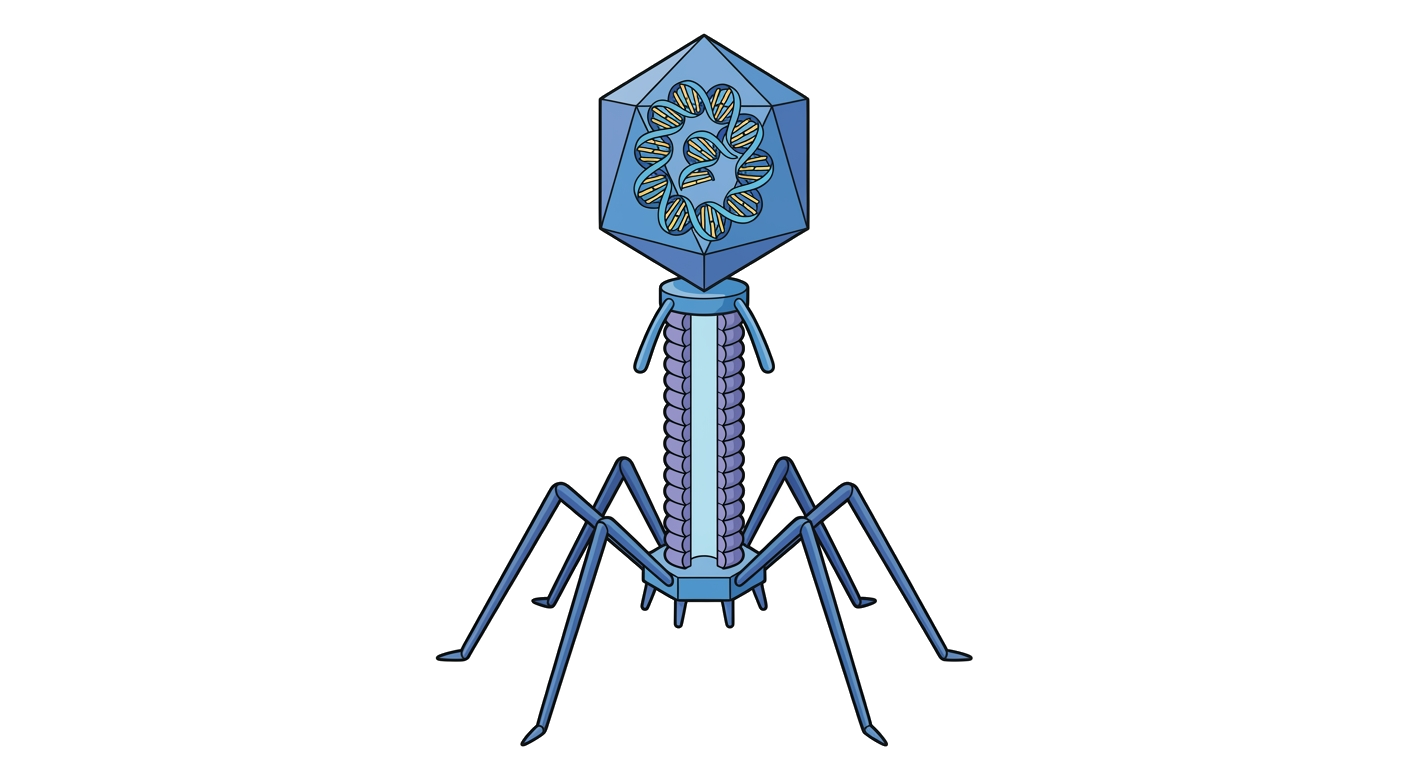
6. Explain the primary difference between the lytic and lysogenic cycles of viral replication.
7. All viruses have a lipid envelope surrounding their capsid.
True
False
8. Viruses can replicate independently outside of a host cell.
True
False
Use the words below to complete the sentences.
9. Viruses can have either or as their genetic material.
10. A is a biological preparation that provides active acquired immunity to a particular infectious disease.
Related Worksheets
Grade 12 Biology: Dissection Fundamentals
This worksheet covers essential concepts and practices in biological dissection, including safety, tool identification, and ethical considerations for Grade 12 Biology students.
Grade 12 Biology: The Integumentary System
This worksheet covers the structure, function, and common conditions of the human integumentary system for Grade 12 Biology students.
Grade 12 Biology: Heart Rate
This worksheet explores the physiological mechanisms regulating heart rate, factors influencing it, and methods of measurement for Grade 12 Biology students.
Grade 12 Non-Mendelian Inheritance Worksheet
Explore advanced concepts in genetics beyond simple Mendelian patterns, including incomplete dominance, codominance, multiple alleles, and polygenic inheritance.